Satirical Cartoons: A History - Martin Rowson
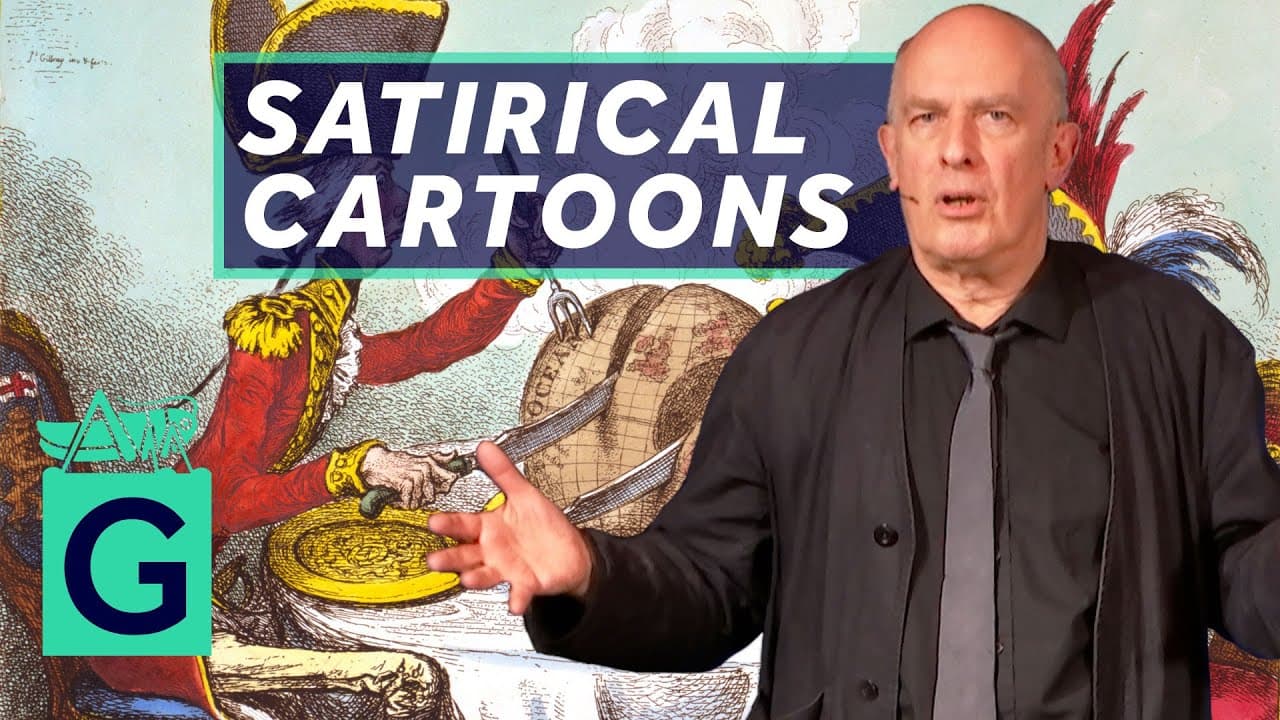
TL;DR
Satire has been a powerful tool of expression throughout history, and cartoons continue to challenge the powerful and provoke discussions in contemporary society.
Transcript
this talk will be filled with very disturbing and unpleasant imagery of very disturbing and unpleasant things and it will also contain a lot of extraordinarily strong foul language because that is the language we have developed in the way we have developed language to express our horror at the disgusting and foul things that I have to deal with on ... Read More
Key Insights
- 🧑🤝🧑 Satirical cartoons have an ancient history, with early drawings found in caves dating back thousands of years.
- 😑 Satire has always been a way for humans to express their thoughts, challenge authority, and provoke discussions.
- ✊ Cartoons have the power to engage viewers, make them think, and encourage critical analysis of society and those in power.
- 👊 Satirical cartoons have faced both praise and criticism, with some appreciating the humor and social commentary while others feel offended or attacked.
Install to Summarize YouTube Videos and Get Transcripts
Explore YouTube Video Summarizer or Get YouTube Transcript Extractor
Questions & Answers
Q: How did satire evolve from early cave drawings to contemporary political cartoons?
Satire has always been a way for humans to express their thoughts and opinions through drawings. It started with ancient cave drawings, evolved through various art movements, and eventually found its place in political cartoons as a means of critiquing authority and social issues.
Q: How did satirical cartoons play a role in challenging authority and sparking discussions?
Satirical cartoons have the power to use humor and exaggeration to highlight important topics, challenge authority, and provoke discussions. When done effectively, they have the ability to engage viewers, make them think, and encourage critical analysis of society and those in power.
Q: How have satirical cartoons been received by the public and those portrayed in them?
Satirical cartoons have often been met with mixed reactions. Some appreciate and engage with the humor and social commentary, while others may be offended or feel attacked. Cartoons that challenge authority, such as those depicting political figures, often face criticism and backlash from those depicted.
Q: How has the internet and social media impacted the reach and influence of satirical cartoons?
The internet and social media have provided a platform for satirical cartoons to reach a wider audience and have a more immediate impact. They can be easily shared and discussed, allowing for a broader range of perspectives and conversations. However, they have also been subject to controversy, censorship, and negative reactions, sometimes leading to threats and backlash against cartoonists.
Summary & Key Takeaways
-
Humans have been using drawings as a form of expression for thousands of years, with evidence of early drawings found in caves from 35,000 years ago.
-
Writing was invented much later as a means of accounting and governance, while drawing has always been a way for humans to understand and navigate the world.
-
Satirical cartoons have been a prominent form of expression and critique, from William Hogarth's social commentaries in the 18th century to modern political cartoons that challenge authority and highlight societal issues.
Read in Other Languages (beta)
Share This Summary 📚
Summarize YouTube Videos and Get Video Transcripts with 1-Click
Try YouTube Summary with ChatGPT & Claude or YouTube Transcript Generator
Explore More Summaries from Gresham College 📚


Summarize YouTube Videos and Get Video Transcripts with 1-Click
Try YouTube Summary with ChatGPT & Claude or YouTube Transcript Generator