Emotional Intelligence Through Cinema | Chaahat Mulani | TEDxWinchesterSchoolJebelAli
TL;DR
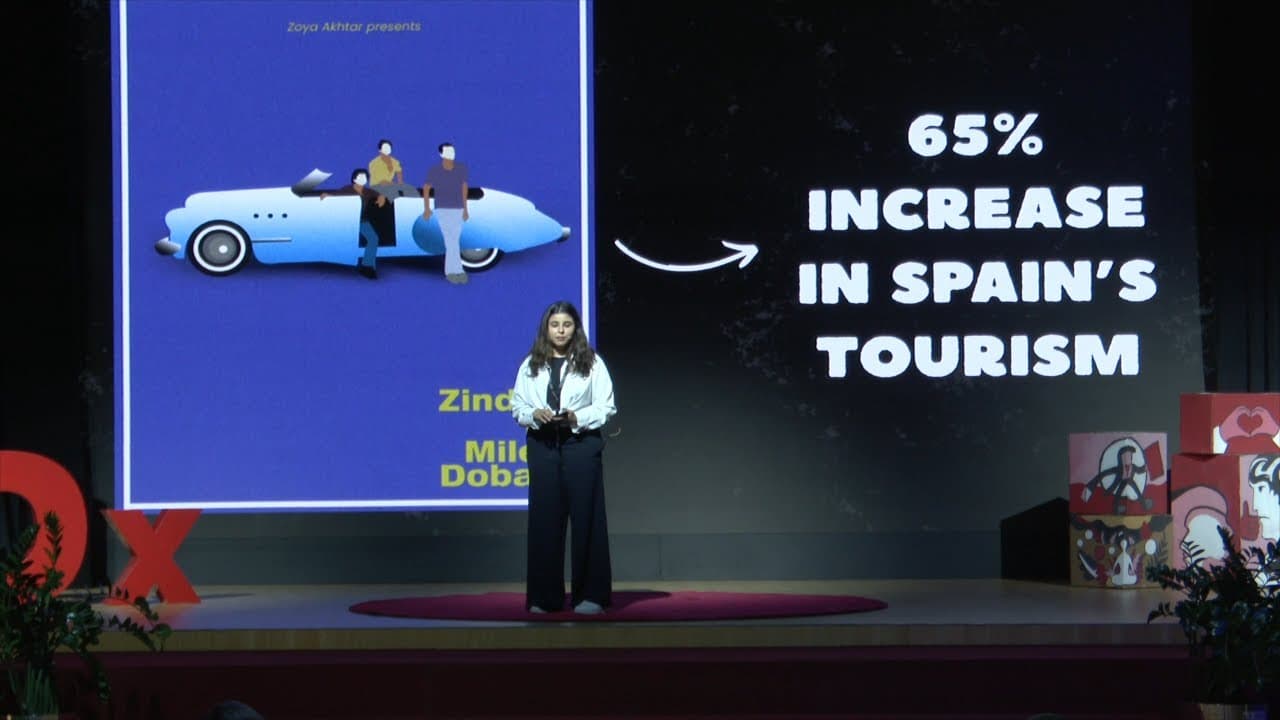
Cinema has the ability to satisfy our emotional needs, induce catharsis, transport us into narratives, and redefine toxic masculinity.
Transcript
picture this your Coit up on your couch surrounded by the Warm Glow of your screen lost in your favorite comfort movie for me it's a Bollywood classic with a steaming cup of chai for you it might be something entirely different but regardless of our preferences there's a universal truth here we find warmth the kind we don't find anywhere else on ou... Read More
Key Insights
- 🤳 Cinema satisfies our emotional needs for distraction, learning, social connection, and self-reflection.
- 👻 Movies and shows provide a safe space for cathartic experiences, allowing us to process and improve our mental health.
- 💭 The process of narrative transportation absorbs us into the story and influences our thoughts and behaviors.
- 🕵️♂️ Cinema is redefining toxic masculinity by showcasing sensitive and emotionally aware male characters.
- 🔉 Prolonged exposure to media, including cinema, can shape our perception of reality and societal beliefs.
- 💖 Films and shows can be used to challenge biases, spark conversations, and promote positive change.
- 👻 Becoming media literate allows us to distinguish between films that contribute to the problem and those that promote positive messages.
Install to Summarize YouTube Videos and Get Transcripts
Explore YouTube Video Summarizer or Get YouTube Transcript Extractor
Questions & Answers
Q: How does cinema satisfy our emotional needs?
Cinema fulfills our need for effective needs by providing comfort content, cognitive needs by offering learning opportunities, social needs by allowing us to have something to discuss with others, and personal identity needs by making us question our beliefs and sense of self.
Q: How does cinema induce catharsis?
Movies and shows provide a controlled environment for us to experience strong emotions, allowing us to process and release them. This can be seen in films like "Up" where viewers can grieve along with the character, helping them process their own emotions.
Q: How does narrative transportation impact our thoughts and behaviors?
Narrative transportation refers to the psychological process of being absorbed into a film's world. When we are transported, we engage with the story and its characters on a deep level, leading us to adopt their perspectives and potentially influencing our own behaviors related to the story.
Q: How is cinema redefining toxic masculinity?
Cinema has traditionally reinforced the stereotype of toxic masculinity, but it is evolving to showcase sensitive and emotionally aware male characters. Shows like "This Is Us" and "Ted Lasso" celebrate men's sensitivity and encourage emotional awareness, helping challenge societal beliefs and foster healthier relationships.
Summary & Key Takeaways
-
Cinema fulfills our need for effective, cognitive, social, and personal identity needs by providing comfort content, learning opportunities, social connection, and self-reflection.
-
Movies and shows induce catharsis by allowing us to experience and process strong emotions in a safe environment, improving mental health.
-
Through narrative transportation, cinema absorbs us into its world, shaping our thoughts and behaviors related to the story.
-
Cinema also plays a role in redefining toxic masculinity by showcasing sensitive and emotionally aware male characters, challenging societal beliefs.
Read in Other Languages (beta)
Share This Summary 📚
Summarize YouTube Videos and Get Video Transcripts with 1-Click
Try YouTube Summary with ChatGPT & Claude or YouTube Transcript Generator
Explore More Summaries from TEDx Talks 📚





Summarize YouTube Videos and Get Video Transcripts with 1-Click
Try YouTube Summary with ChatGPT & Claude or YouTube Transcript Generator