10 Adorable Animals That Do Terrifying Things
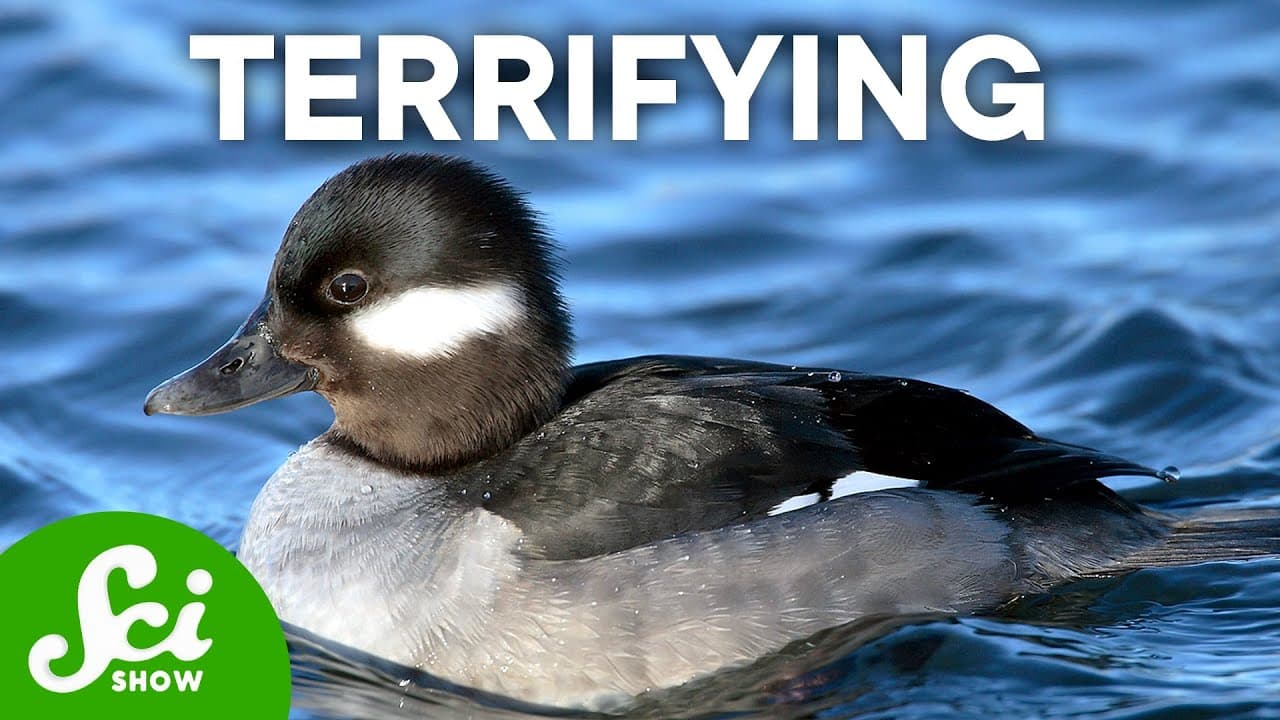
TL;DR
Animals with cute features can be dangerous, with toxins, venom, aggressive behavior, and unique defense mechanisms.
Transcript
Why do some people squirm at the sight of a centipede and “squee” at the sight of a panda? We tend to think animals with big eyes, chubby bodies, and clumsy demeanors are cuter than others. Evolutionarily, our love for baby-like features could stem from our own parental instincts: it makes us nurture our offspring, so they have a better chance of s... Read More
Key Insights
- ❓ Animals with cute features often have adaptations for defense and survival.
- 💀 Cute features can be deceptive, and animals like pufferfish, poison dart frogs, slow lorises, and platypuses have toxic and venomous traits.
- ❓ Many animals utilize mimicry, camouflage, or toxins to protect themselves from predators.
- ❓ Aggressive behaviors like infanticide and stealing offspring occur in various animal species.
- ❓ Cannibalism and sexually-transmitted diseases can be observed in cute animals like ladybugs.
Install to Summarize YouTube Videos and Get Transcripts
Explore YouTube Video Summarizer or Get YouTube Transcript Extractor
Questions & Answers
Q: Why do some animals have adaptations that make them cute but also dangerous?
The cute features of animals like pufferfish and poison dart frogs help them protect themselves from predators. At the same time, their toxins and neurotoxins make them dangerous to other animals, including humans.
Q: Can consuming a small amount of tetrodotoxin from a pufferfish be safe?
At low doses, consuming tetrodotoxin might cause mild effects like a tingling sensation or light-headedness. However, it can be dangerous and even deadly at higher doses.
Q: How do poison dart frogs obtain their toxic skin secretions?
Poison dart frogs get their toxins from toxic ants, beetles, and millipedes that they eat. They store these toxins in their skin as a defense mechanism to ward off predators.
Q: What makes slow lorises especially dangerous?
Slow lorises have a toxic bite that is produced by a gland under their arm. The toxic oil activates when mixed with their saliva and can cause strong allergic reactions or anaphylactic shock in humans.
Summary & Key Takeaways
-
Evolutionary instincts make us find animals with baby-like features cute, but their behaviors designed for survival can be scary.
-
Pufferfish look cute but are actually poisonous due to tetrodotoxin, a neurotoxin that affects the nervous system.
-
Poison dart frogs are colorful and small, but their skin contains alkaloids that act as neurotoxins.
-
Slow lorises have a toxic bite and a defense mechanism that mimics a king cobra. Platypuses have venomous spurs, and African spiny mice shed their skin when provoked.
Read in Other Languages (beta)
Share This Summary 📚
Summarize YouTube Videos and Get Video Transcripts with 1-Click
Try YouTube Summary with ChatGPT & Claude or YouTube Transcript Generator
Explore More Summaries from SciShow 📚


Summarize YouTube Videos and Get Video Transcripts with 1-Click
Try YouTube Summary with ChatGPT & Claude or YouTube Transcript Generator