What Changes Occurred After the Largest Dam Removal in the U.S.?
TL;DR
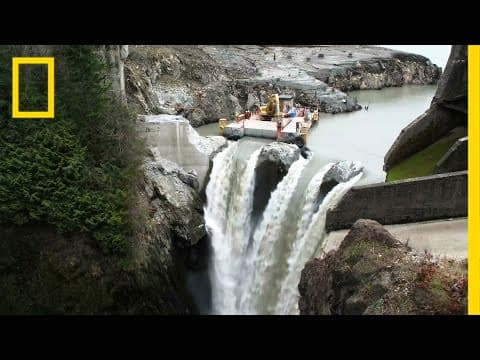
The largest dam removal in U.S. history transformed the Elwha nearshore ecosystem into a thriving habitat that supports diverse species, serving as a vital nursery. The removal of the dams liberated trapped sediment and wood, enhancing habitats like kelp and eelgrass beds, which are crucial for endangered species such as chinook salmon and coho.
Transcript
Chinook 6055 coho 115 really good 108 it depends on the species but we have a broad range and they're all kids from infants to to basically teenagers seeing the evolution is what its ended up being in particular in the near shore it's been a dramatic transformation the near shore is a very important bridge between the upland and marine systems and ... Read More
Key Insights
- 😋 Elwha nearshore serves as a crucial nursery providing habitat, food, and refuge.
- 💁 Dam removal liberates wood and sediment vital for forming habitats in the nearshore ecosystem.
- 🧑🏭 Nearshore acts as a bridge between upland and marine systems, essential for ecosystem function.
- ❓ Endangered species like chinook salmon and coho benefit from the restoration of the nearshore ecosystem.
- 😲 Ecosystem restoration post-dam removal highlights the importance of the nearshore as a critical link in the ecosystem.
- ❓ The nearshore's transformation showcases success in restoring ecosystem function.
- 😲 Visual aspect of the nearshore post-dam removal has drastically changed, serving as a significant example for restoration projects.
Install to Summarize YouTube Videos and Get Transcripts
Explore YouTube Video Summarizer or Get YouTube Transcript Extractor
Questions & Answers
Q: What role does the Elwha nearshore play in the ecosystem?
The Elwha nearshore acts as a vital bridge between the upland and marine systems, serving as a nursery providing habitat, food, and refuge crucial for the survival of various species.
Q: How have the dams' removal impacted the Elwha nearshore ecosystem?
The removal of dams has liberated wood and sediment, crucial for the formation of habitats like beaches, kelp beds, and eelgrass beds, essential for the functioning of the nearshore ecosystem.
Q: Why is the nearshore considered the poster child for the dam removal project?
The nearshore's dramatic transformation post-dam removal showcases the success of restoring ecosystem function, making it a standout example for the nation's largest dam removal project.
Q: How has the nearshore evolved since the dams' removal?
The nearshore has seen a significant restoration post-dam removal, with the visual aspect transforming drastically and becoming a critical link between the land and sea ecosystems.
Summary & Key Takeaways
-
Elwha nearshore has undergone dramatic transformation post-dam removal, serving as crucial habitat and bridge between land and sea.
-
Researcher has observed diverse species from infants to teenagers, highlighting the restoration of ecosystem function.
-
Nearshore acts as a nursery, providing habitat, food, and refuge critical for the survival of endangered species.
Read in Other Languages (beta)
Share This Summary 📚
Summarize YouTube Videos and Get Video Transcripts with 1-Click
Try YouTube Summary with ChatGPT & Claude or YouTube Transcript Generator
Explore More Summaries from National Geographic 📚



Summarize YouTube Videos and Get Video Transcripts with 1-Click
Try YouTube Summary with ChatGPT & Claude or YouTube Transcript Generator