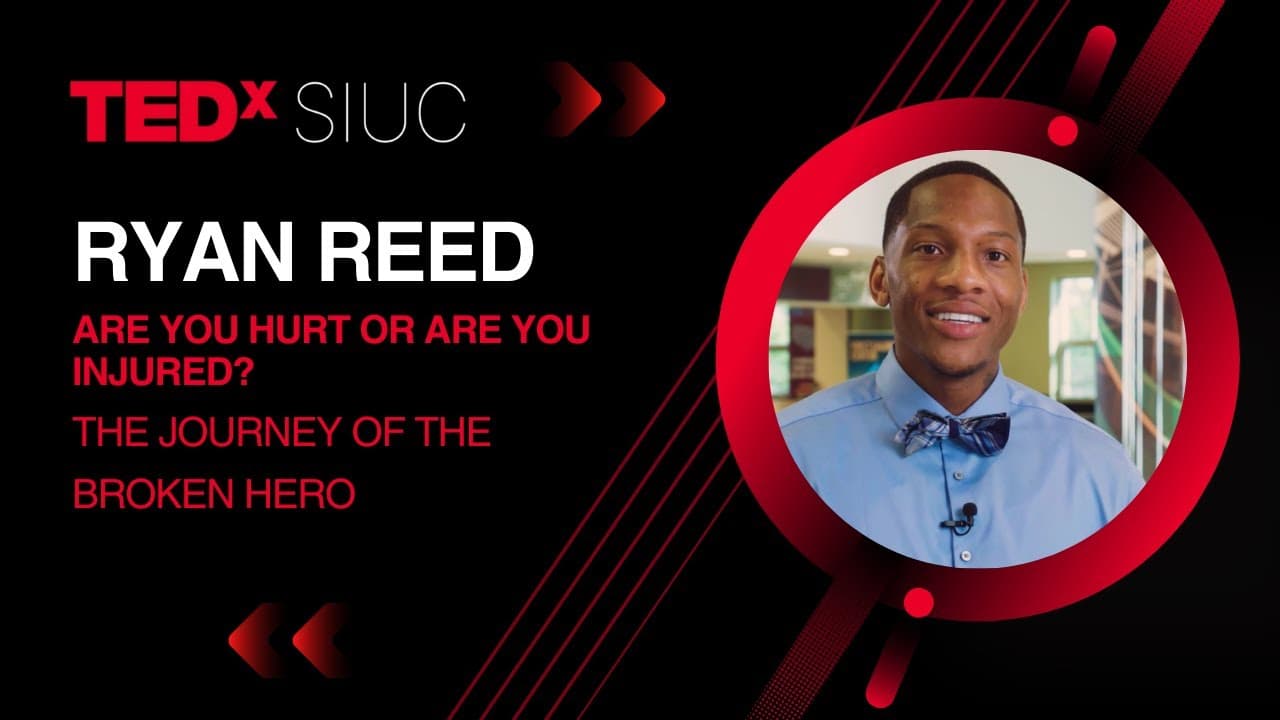
Are You Hurt or Injured? Understanding Athlete Well-Being
TL;DR
The key difference between being hurt and injured lies in the severity of the situation and its impact on an athlete's mental health. Many collegiate athletes play through injuries, which can lead to long-term physical and emotional challenges, often exacerbated by societal pressures to appear strong. Meaningful conversations about mental wellness are essential for supporting athletes in their struggles.
Transcript
how are you doing no no no really how are you doing are you hurt or are you injured this is a question that is echoed through the hallways of sports history for decades I was 7 years old the first time I heard this question I remember it like it was yesterday I was playing one of my most memorable games the air was just right the wind wasn't blowin... Read More
Key Insights
- 🥺 Collegiate athletes often feel the pressure to continue playing while injured, leading to long-term physical and mental health consequences.
- 😨 Mental health issues, such as depression and anxiety, are prevalent among collegiate athletes, but many do not seek help due to societal expectations and fear of being seen as weak.
- 🥰 The loss of loved ones can contribute to an athlete's struggles and make it challenging to process emotions effectively.
- ♻️ Celebrating vulnerability and treating athletes as individuals with complex emotions can foster a healthier and more supportive environment.
- 🤗 Meaningful conversations that go beyond the surface level can provide athletes with the opportunity to open up about their struggles.
- 💉 The stigma surrounding mental health in athletics needs to be addressed in order to encourage more athletes to seek help.
- 🥺 Healing together and acknowledging our brokenness can lead to personal growth and resilience.
Install to Summarize YouTube Videos and Get Transcripts
Explore YouTube Video Summarizer or Get YouTube Transcript Extractor
Questions & Answers
Q: How does the pressure to continue playing while injured affect collegiate athletes?
Collegiate athletes often feel the pressure to play through injuries in order to be seen as heroes and warriors. This mentality can lead to long-term physical and mental health issues, as athletes may not give their bodies adequate time to heal.
Q: Why do many athletes avoid seeking help for mental health issues?
The expectations placed on athletes can be overwhelming, leading them to push aside their own struggles and prioritize their performance. Additionally, the fear of being seen as weak or not living up to the "hero" image often prevents athletes from seeking help for mental health issues.
Q: What are the statistics on mental health issues among collegiate athletes?
According to the National Institute of Health, 35% of collegiate athletes struggle with depression, anxiety, eating disorders, and other mental health issues. However, only 10% of these athletes actually seek help for their mental health struggles.
Q: Why is vulnerability important for athletes?
Being vulnerable allows athletes to address their mental health concerns and seek support from others. It also helps break down the societal expectation that athletes must always appear strong and invincible, creating a more supportive environment for mental health.
Summary & Key Takeaways
-
Ryan Reed reflects on the pressure to play through injuries as a collegiate athlete, even though it can have long-term consequences on physical and mental health.
-
He discusses the loss of his loved ones at a young age and how sports became an outlet for him to cope with his pain.
-
Reed emphasizes the importance of addressing mental health in athletes and urges others to have more meaningful conversations beyond the surface level "I'm fine" response.
Read in Other Languages (beta)
Share This Summary 📚
Summarize YouTube Videos and Get Video Transcripts with 1-Click
Try YouTube Summary with ChatGPT & Claude or YouTube Transcript Generator
Explore More Summaries from TEDx Talks 📚



Summarize YouTube Videos and Get Video Transcripts with 1-Click
Try YouTube Summary with ChatGPT & Claude or YouTube Transcript Generator