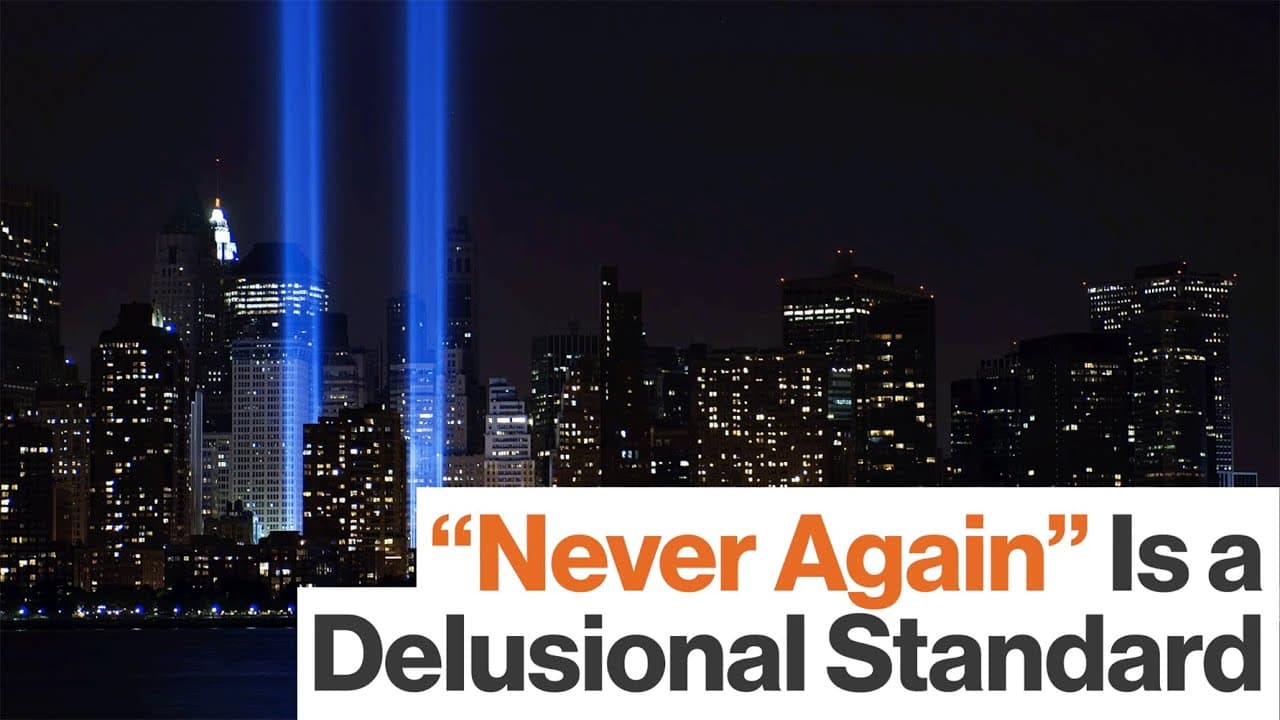
After 9/11, America Was Sold a Dangerous Dream of Permanent Security, says Juliette Kayyem
TL;DR
Post-9/11, the idea of absolute security is unrealistic; managing risks while preserving liberties is key.
Transcript
After the terrorist attacks on 9/11 my field of which I’m guilty of homeland security and national security sort of I think sold the American public an unobtainable dream. And part of it was political, I admit that and the rush to war in Iraq. But I think part of it was just a way of thinking about homeland security that we could be invincible. Tha... Read More
Key Insights
- 🔒 Post-9/11 security ideals were unattainable, leading to a reevaluation of balancing security with liberties.
- 🔒 Homeland security requires accepting risks and focusing on preparedness and response.
- 🔒 A balance between security measures and personal freedoms is essential for effective security practices.
- 🥺 Finding common ground in security discussions can lead to progress in addressing societal challenges.
Install to Summarize YouTube Videos and Get Transcripts
Explore YouTube Video Summarizer or Get YouTube Transcript Extractor
Questions & Answers
Q: How did the 9/11 terrorist attacks shape American perceptions of security?
The aftermath of 9/11 instilled a sense of invincibility that led to unrealistic security expectations and a rush to war in Iraq. It also prompted a reevaluation of security measures and vulnerabilities.
Q: What is the significance of accepting risks as a part of national security?
Accepting risks acknowledges the inherent vulnerabilities in society and emphasizes the importance of preparedness and response strategies. It shifts the focus from unattainable absolute security to managing and minimizing risks effectively.
Q: How can individuals balance security measures with personal freedoms?
Finding a balance between security and personal liberties is crucial. It involves acknowledging risks, preparing for potential threats, and recognizing that absolute security measures can intrude on basic freedoms.
Q: How can societal attitudes towards security and safety be shifted for better outcomes?
By fostering discussions on preparedness, risk reduction, and finding common ground on security extremes, progress can be made in addressing security challenges without compromising essential freedoms.
Summary & Key Takeaways
-
Post-9/11 security dreams were unrealistic; accepting risks is inevitable.
-
Homeland security should balance risk prevention and preparedness.
-
Finding a middle ground is crucial in addressing security and safety challenges.
Read in Other Languages (beta)
Share This Summary 📚
Summarize YouTube Videos and Get Video Transcripts with 1-Click
Try YouTube Summary with ChatGPT & Claude or YouTube Transcript Generator
Explore More Summaries from Big Think 📚


Summarize YouTube Videos and Get Video Transcripts with 1-Click
Try YouTube Summary with ChatGPT & Claude or YouTube Transcript Generator