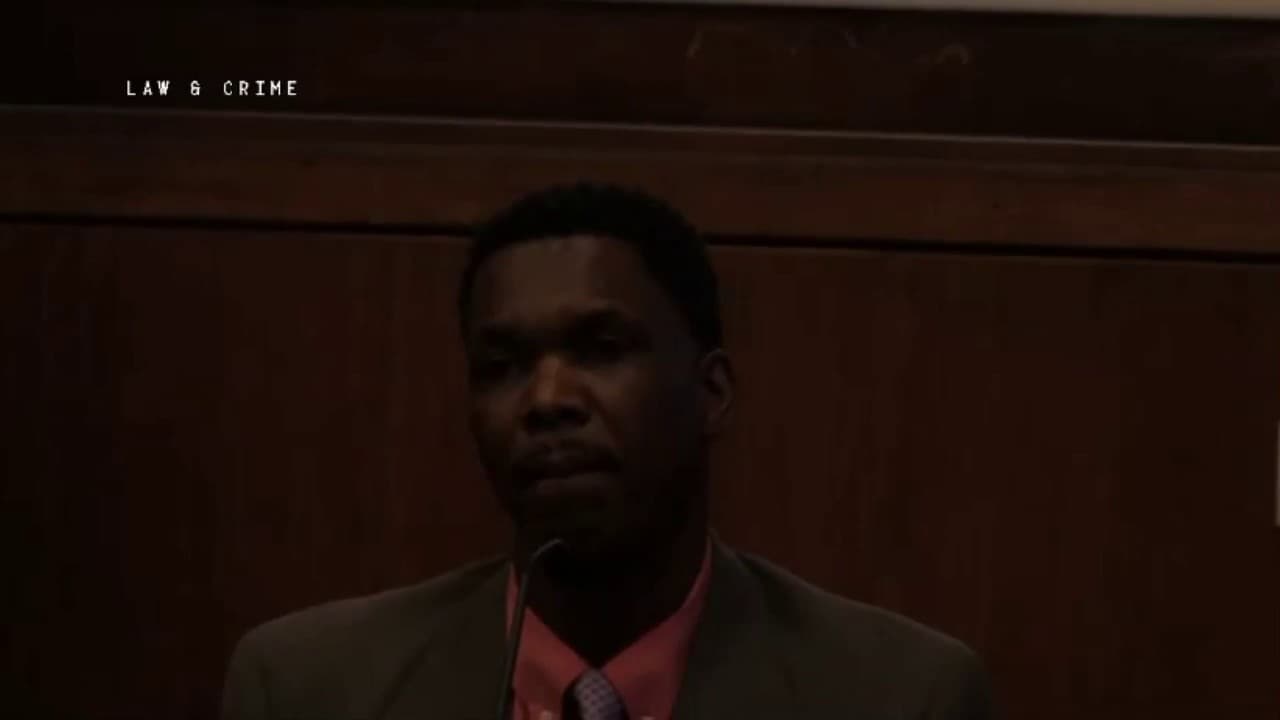
Shaun Harrison Trial Day 3 Part 1 Lead Investigator Testifies
TL;DR
Detailed analysis of a police interview regarding evidence collection and investigation procedures.
Transcript
you try to inspire okay and you have M ideal by optimizing that one this one okay again devastate nickname and got some video then this company that puts that shows a person is short so we go from dispatch in your and also he said now so that transcription and that's because we have a transcript as well that it asked me Marty before that interview ... Read More
Key Insights
- 🗯️ Search warrants are vital for ensuring the legality of evidence collection and upholding constitutional rights.
- 🕵️ Detectives undertake specific roles in evidence collection, including documenting and photographing evidence to maintain a chain of custody.
- 🦻 Seizing cellphones during investigations can yield crucial information related to crimes, aiding in the building of cases.
- 🖐️ Forensic evidence, such as fiber testing and microscopic analysis, plays a significant role in connecting suspects to crimes.
- 🍵 The interview highlights the importance of following protocols and procedures meticulously in evidence handling and investigation processes.
- 👮 Collaboration between detectives and other law enforcement officers is essential in conducting thorough investigations.
- 😜 Supervision and authorization by higher-ranking officers are required for certain actions, such as evidence collection and searches.
Install to Summarize YouTube Videos and Get Transcripts
Explore YouTube Video Summarizer or Get YouTube Transcript Extractor
Questions & Answers
Q: What is the significance of securing search warrants in police investigations?
Securing search warrants is crucial in ensuring the legality and admissibility of evidence collected during investigations. It helps uphold constitutional rights and maintain the integrity of the investigative process.
Q: How do detectives handle evidence collection during investigations?
Detectives are responsible for various tasks, including sketching search locations, photographing evidence, and documenting collected items. Each step is crucial in maintaining a chain of custody for evidence.
Q: Why was the suspect's cellphone seized during the investigation?
Seizing the suspect's cellphone is essential as it may contain valuable information such as texts, photos, or communication that could provide evidence or establish connections to a crime.
Q: What role does forensic evidence play in police investigations?
Forensic evidence, including fiber testing and DNA analysis, plays a vital role in linking suspects to crimes based on microscopic evidence not visible to the naked eye. It helps in building a solid case against individuals.
Summary & Key Takeaways
-
The interview delves into the process of evidence collection and investigation procedures followed by the Boston Police Department.
-
Specific focus is on details such as securing search warrants, collecting and documenting evidence, and the role of detectives in investigations.
-
The interviewee provides insights into the protocols and practices involved in handling evidence and building cases.
Read in Other Languages (beta)
Share This Summary 📚
Summarize YouTube Videos and Get Video Transcripts with 1-Click
Try YouTube Summary with ChatGPT & Claude or YouTube Transcript Generator
Explore More Summaries from Law&Crime Network 📚






Summarize YouTube Videos and Get Video Transcripts with 1-Click
Try YouTube Summary with ChatGPT & Claude or YouTube Transcript Generator