Explore the U.S. Army's Treasure-Filled Warehouse | National Geographic
TL;DR
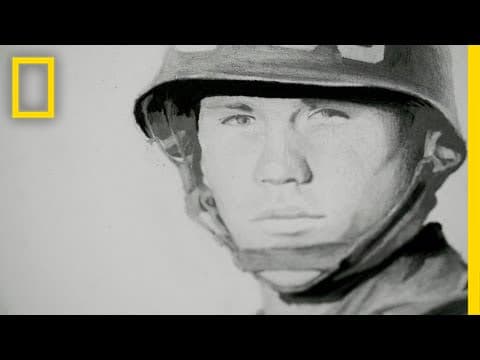
An artist in the Army documents emotional pieces of military history through art over a changing perspective.
Transcript
I can document those things that a photographer might miss because In the Heat of the battlefield there's 10,000 things going on and he's got a lens pointed in One Direction I just think there's something that an artist can bring to history that's an emotionally charged piece when I go back into the collection and look at the art pieces there are t... Read More
Key Insights
- 🧑🎨 The Army Art Program began in World War I to document military history through artists.
- 🥰 Preservation of art, even controversial pieces like Nazi propaganda, is vital for learning from history.
- 🖐️ The artist in residence plays a crucial role in capturing significant moments for future generations.
- 🥰 Rotating perspectives in the position ensure a varied portrayal of military history through art.
- 🥰 Caring for and preserving the 16,000 pieces in the Army art collection is a significant duty.
- 🧑🎨 Artists bring emotional depth and social aspects to history, enhancing understanding.
- 🫱 The artist's role in documenting the global war on terror adds a personal touch to military history.
Install to Summarize YouTube Videos and Get Transcripts
Explore YouTube Video Summarizer or Get YouTube Transcript Extractor
Questions & Answers
Q: How does the Army Art Program contribute to preserving military history?
The program uses artists to capture emotional aspects of conflicts, ensuring documentation and preservation of historical events for future generations to learn from.
Q: Why was Nazi propaganda art collected instead of destroyed?
The art was collected to prevent the rise of the Nazi party again and serves as a crucial part of world history, teaching important lessons about the past.
Q: What is the significance of the artist in residence documenting the closeout of the global war on terror?
The artist's work will be a lasting legacy capturing an important moment in history, providing a unique perspective on the events that unfolded during that time.
Q: Why does the Army have a changing perspective every 3 to 4 years for the artist in residence position?
The rotating position allows for fresh perspectives and a varied approach to documenting military history, ensuring a diverse portrayal of events through art.
Summary & Key Takeaways
-
The Army Art Program started in World War I to document wars through artists capturing emotional aspects.
-
The program preserves 16,000 pieces, including Nazi propaganda art, ensuring historical learning and understanding.
-
The artist in residence captures the closing moments of the global war on terror, creating a legacy through art.
Read in Other Languages (beta)
Share This Summary 📚
Summarize YouTube Videos and Get Video Transcripts with 1-Click
Try YouTube Summary with ChatGPT & Claude or YouTube Transcript Generator
Explore More Summaries from National Geographic 📚
Summarize YouTube Videos and Get Video Transcripts with 1-Click
Try YouTube Summary with ChatGPT & Claude or YouTube Transcript Generator