How Is a Common Food Increasing Your Cancer Risk?
TL;DR
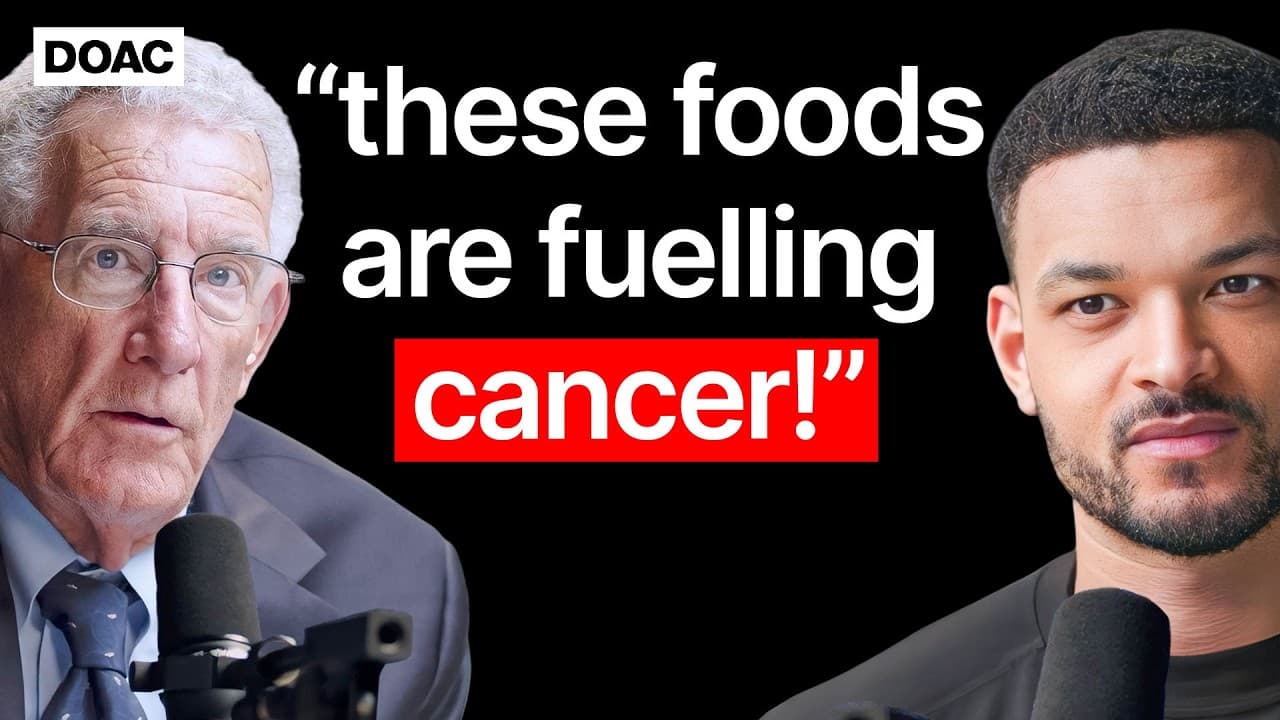
Certain common foods can exacerbate cancer risk by fueling metabolic processes that promote tumor growth. Research suggests that cancer is more a metabolic disorder than a genetic one, and adopting metabolic therapies alongside dietary changes can lower risk and improve outcomes for those affected. A focus on lifestyle modifications, such as reducing processed food intake and incorporating exercise, is crucial for cancer prevention.
Transcript
cancer is very preventable when the medical establishment acknowledge what I know about this disorder what's causing it and what we're not doing to prevent it or treated it it will be recognized as the greatest tragedy in the history of medicine Thomas CA freed is a professor of biology genetics and biochemistry who has dedicated the past 30 years ... Read More
Key Insights
- 👶 Cancer is increasingly recognized as a metabolic disorder, shaping new prevention and treatment approaches.
- 🥺 Traditional cancer therapies often inadequately address the metabolic aspects, leading to high mortality rates.
- ♋ Evidence suggests that dietary interventions can significantly impact the progression and management of cancer.
- 😋 High consumption of processed foods correlates with rising cancer rates; lifestyle modifications are crucial in prevention.
- 🛀 Metabolic therapy shows promise in not only preventing but also treating various cancer types effectively.
- 🧑⚕️ The GKI is a valuable tool for assessing metabolic health and guiding dietary and therapeutic strategies.
- 🧑🏭 Exercise serves dual benefits by lowering cancer risk factors and improving overall metabolic efficiency.
Install to Summarize YouTube Videos and Get Transcripts
Explore YouTube Video Summarizer or Get YouTube Transcript Extractor
Questions & Answers
Q: What is the main argument presented regarding the nature of cancer?
The main argument is that cancer should be viewed primarily as a metabolic disorder rather than just a genetic disease. The evidence suggests that lifestyle choices heavily influence cancer's development, as cells often resort to inefficient energy production, namely fermentation, under stress or dietary abnormalities.
Q: How does lifestyle impact cancer rates according to the professor?
The professor notes that lifestyle choices, such as diet and exercise, directly correlate with cancer rates. For instance, cancer was rare in traditional societies but surged with the introduction of modern lifestyles high in processed foods and sedentary habits, suggesting that our contemporary choices contribute significantly to the cancer epidemic.
Q: What does metabolic therapy entail, and how can it help with cancer?
Metabolic therapy involves dietary changes aimed at reducing glucose and glutamine levels, which cancer cells need to proliferate. This includes adopting a ketogenic diet and incorporating fasting. The therapeutic aim is to shift the body's energy source away from what tumors consume, potentially starving them while enhancing the health of normal cells.
Q: Can metabolic therapy be implemented alongside traditional cancer treatments?
Yes, metabolic therapy can complement traditional treatments like chemotherapy. Research indicates that being in a state of nutritional ketosis can enhance the effectiveness of chemotherapy and allow for lower dosages while minimizing adverse effects, potentially improving patient outcomes.
Q: What role do glucose and ketone bodies play in cancer treatment?
Glucose serves as a primary fuel for cancer cells, while ketone bodies, produced during ketogenesis from fats, are utilized more efficiently by healthy cells. Shifting the body's metabolism towards burning ketones can deprive cancers of their needed energy sources and slow their growth.
Q: How does exercise contribute to cancer prevention and management?
Exercise helps lower blood sugar and glutamine levels, potentially reducing the fuels that cancer cells rely on. Furthermore, physical activity promotes mitochondrial health, enhances metabolic efficiency, and can improve overall well-being, contributing positively to cancer prevention strategies.
Q: What insights does the professor provide concerning the need for a shift in cancer research and treatment paradigms?
The professor advocates for a paradigm shift in cancer treatment that focuses more on metabolic approaches rather than continuing to solely emphasize genetic theories. Historical misdirection according to him has led to ineffective treatments, and recognizing the metabolic basis of cancer could improve survival rates.
Q: What is the significance of the Glucose Ketone Index (GKI) in cancer management?
The Glucose Ketone Index (GKI) serves as a quantitative measure to assess the metabolic state of individuals, providing insight into how well they are managing their glucose and ketone levels. Maintaining a low GKI can indicate that the body is in a state favorable for inhibiting cancer growth.
Summary & Key Takeaways
-
Professor Thomas C. discusses the growing cancer crisis, emphasizing that current treatments fail to significantly reduce death rates, revealing misconceptions in cancer research.
-
He advocates for a metabolic approach to cancer management, suggesting that cancer is primarily a metabolic disorder rather than solely a genetic one, with lifestyle factors playing a crucial role.
-
By adopting strategies such as metabolic therapy and dietary changes, individuals may potentially lower their cancer risk and improve outcomes for those diagnosed with the disease.
Read in Other Languages (beta)
Share This Summary 📚
Summarize YouTube Videos and Get Video Transcripts with 1-Click
Try YouTube Summary with ChatGPT & Claude or YouTube Transcript Generator
Explore More Summaries from All The Diary Of A CEO Episodes 📚





Summarize YouTube Videos and Get Video Transcripts with 1-Click
Try YouTube Summary with ChatGPT & Claude or YouTube Transcript Generator