Vaccines & Freedom | Philosophy Tube
TL;DR
This video dives into research conducted on voluntarily unvaccinated individuals to understand their perspectives, philosophical arguments, concerns, and misconceptions surrounding COVID-19 vaccines.
Transcript
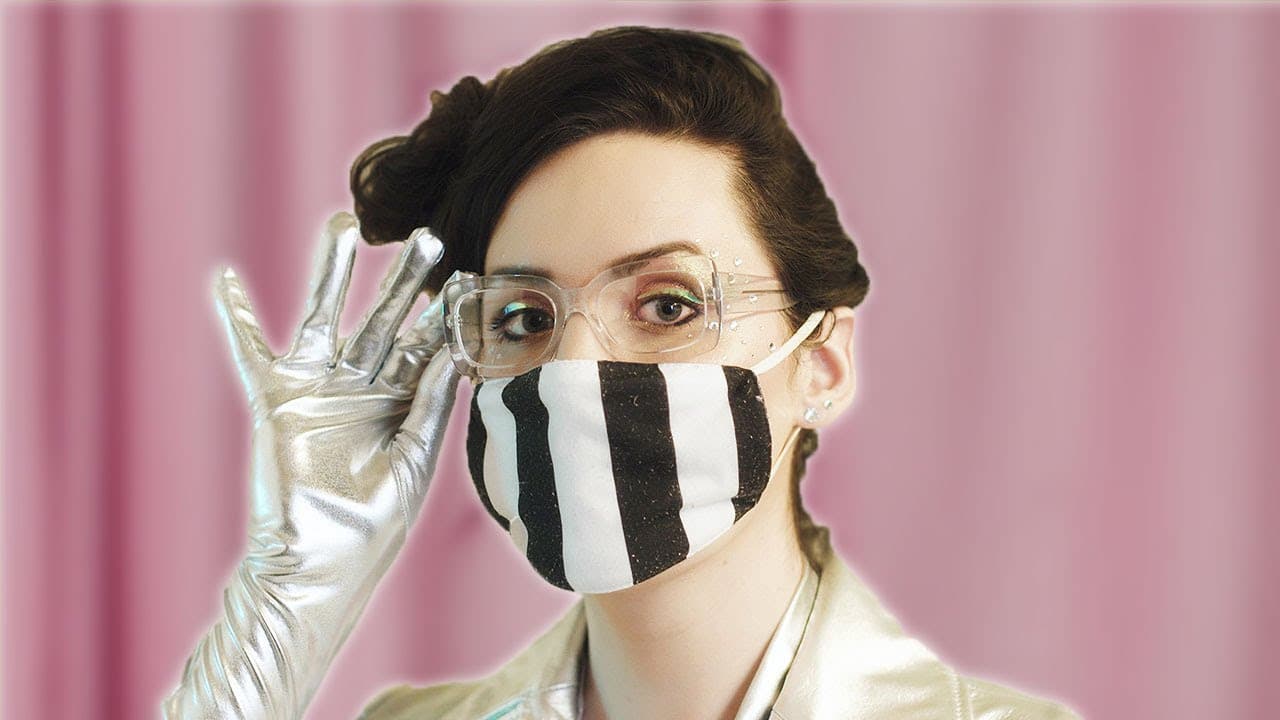
oh it feels like i've had this mask on for so long that parts of my face have slightly changed shape that's better hello my name is abigail welcome to philosophytube a show about ideas i've got something quite exciting for you today something that's been in the pipe for a long time for the last couple of years i've been volunteering here in the uk ... Read More
Key Insights
- 🫵 The research found that the unvaccinated individuals were not necessarily anti-vaxxers and had diverse political views and concerns.
- 😍 Concerns about the rushed development of COVID-19 vaccines and long-term effects were prevalent among the unvaccinated participants.
- 🖐️ Trust in the government and the healthcare system played a significant role in shaping vaccine acceptance or hesitancy.
- 🤙 Calling unvaccinated individuals selfish or simply presenting evidence is unlikely to persuade them; a more nuanced approach is needed.
Install to Summarize YouTube Videos and Get Transcripts
Explore YouTube Video Summarizer or Get YouTube Transcript Extractor
Questions & Answers
Q: Were the unvaccinated individuals part of anti-vaxxer groups?
No, the research identified them as voluntarily unvaccinated individuals, not necessarily anti-vaxxers. They had varying political views and concerns specific to the COVID-19 vaccines.
Q: What were some of the concerns raised about the long-term effects of the vaccine?
The participants worried about potential long-term health complications and effects on fertility. However, the video provides scientific explanations to reassure viewers that the current COVID-19 vaccines do not pose any unforeseen long-term risks.
Q: How did the participants view those who chose to get vaccinated?
The unvaccinated individuals felt that vaccinated people often dismiss their concerns and rely on trust in the government or health authorities, rather than critically examining the evidence. They also perceived vaccinated people as moralistic bullies.
Q: What role does trust play in public health and vaccine acceptance?
Trust in the government, health authorities, and the healthcare system was a major factor influencing the unvaccinated individuals' perspectives. Many expressed a lack of trust in these entities, impacting their willingness to get vaccinated.
Summary & Key Takeaways
-
The video discusses a project that interviewed voluntarily unvaccinated individuals to gain insights into their viewpoints on vaccines, addressing the mainstream depiction and stereotypes associated with vaccine skepticism.
-
The research categorized the unvaccinated participants into four groups: earnest emilys, caring carols, self-improvement steves, and loyal larrys, based on their demographics and interests.
-
The participants expressed concerns about the rushed development of the COVID-19 vaccines, long-term effects, lack of trust in the government and pharmaceutical companies, and the concept of bodily autonomy.
Read in Other Languages (beta)
Share This Summary 📚
Summarize YouTube Videos and Get Video Transcripts with 1-Click
Try YouTube Summary with ChatGPT & Claude or YouTube Transcript Generator
Explore More Summaries from Philosophy Tube 📚

Summarize YouTube Videos and Get Video Transcripts with 1-Click
Try YouTube Summary with ChatGPT & Claude or YouTube Transcript Generator