Light Pollution 101 | National Geographic
TL;DR
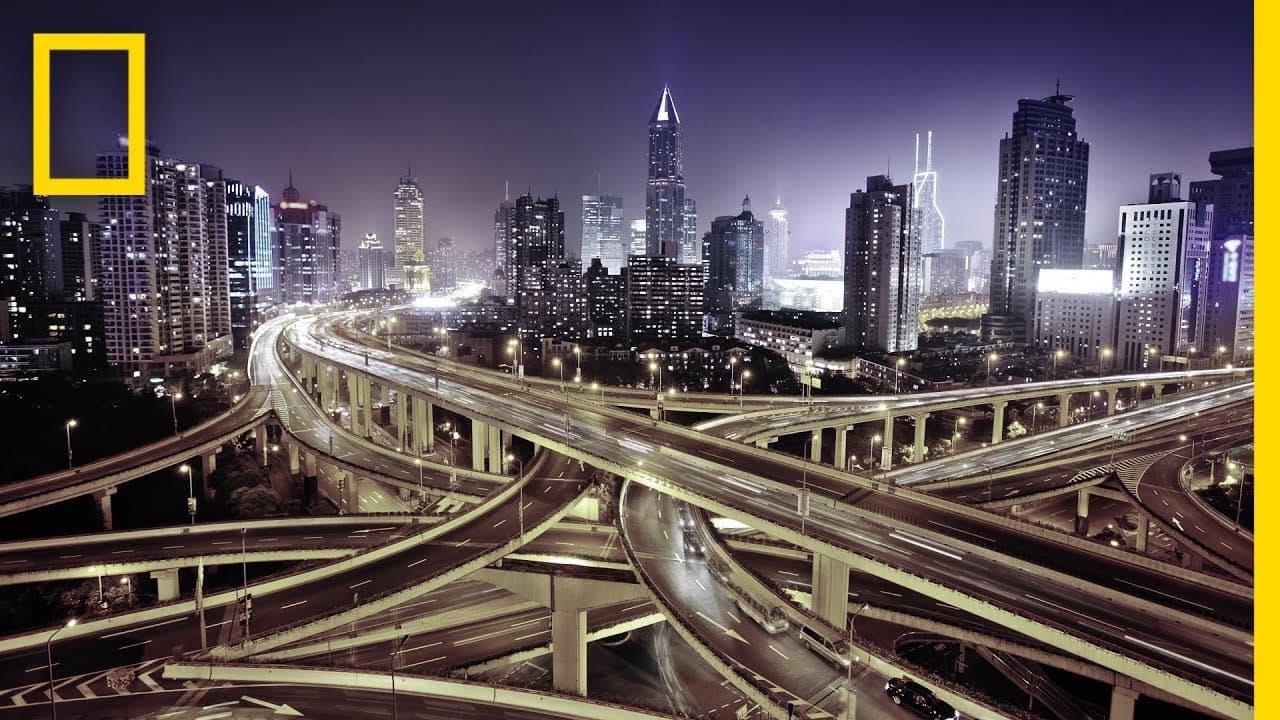
Electric light bulbs revolutionized society but have led to harmful light pollution affecting wildlife, health, and the environment.
Transcript
- [Narrator] The invention of the electric light bulb, 150 years ago, was one of the most transformative milestones in history. This new form of light, artificial light, brightened and made safe once-dark streets, prolonged waking hours into the evening, and brought electricity into homes for the very first time. Today, this glow has grown, but at ... Read More
Key Insights
- 💡 The electric light bulb's invention revolutionized society but led to light pollution, impacting wildlife and human health.
- 🙂 Various types of light pollution exist, including glare, light trespass, and sky glow, caused by excessive artificial lighting.
- 💡 Efforts to combat light pollution involve developing energy-efficient light bulbs and smart lighting designs.
- 🙂 Light pollution has detrimental effects on wildlife like sea turtles and human health, disrupting natural patterns and sleep cycles.
- 🙂 Prolonged exposure to artificial light can damage eyesight, cause sleep deprivation, and potentially contribute to health issues like cancer.
- 🙂 Excessive artificial lighting leads to the waste of billions of dollars worth of coal or oil each year for unnecessary light production.
- 🙂 Light pollution is fueled by factors such as growing populations, increased urban development, and greater access to electricity.
Install to Summarize YouTube Videos and Get Transcripts
Explore YouTube Video Summarizer or Get YouTube Transcript Extractor
Questions & Answers
Q: What is light pollution and how does it impact wildlife?
Light pollution is the over-illumination of cities by artificial lighting, disrupting wildlife's nocturnal patterns. For example, sea turtles are confused by city lights, leading to failed attempts to reach the sea.
Q: How does light pollution affect human health?
Light pollution can disrupt natural sleep cycles, cause sleep deprivation, and damage eyesight by overwhelming photoreceptor cells in the retina. Prolonged exposure to artificial light may even contribute to health problems like cancer.
Q: What are some types of light pollution mentioned in the content?
The content discusses glare, which is disruptive light shining horizontally, light trespass where light shines onto unwanted areas, and sky glow, a halo over cities caused by scattered light.
Q: How has light pollution worsened over time?
Light pollution in North America has increased by 6 to 10% annually due to growing populations, increased urban development, and greater access to electricity leading to more artificial lighting.
Summary & Key Takeaways
-
The invention of the electric light bulb transformed cities, but it also led to light pollution, causing disruptive artificial lighting in urban areas.
-
Light pollution comes in various forms such as glare, light trespass, and sky glow, impacting wildlife like sea turtles and human health.
-
Efforts to combat light pollution include energy-efficient light bulbs and smart lighting designs to create a brighter future.
Read in Other Languages (beta)
Share This Summary 📚
Summarize YouTube Videos and Get Video Transcripts with 1-Click
Try YouTube Summary with ChatGPT & Claude or YouTube Transcript Generator
Explore More Summaries from National Geographic 📚



Summarize YouTube Videos and Get Video Transcripts with 1-Click
Try YouTube Summary with ChatGPT & Claude or YouTube Transcript Generator