Xavier Whitehead Trial - Jury Instructions
TL;DR
Detailed instructions for jurors on legal proceedings, case details, and behavioral guidelines.
Transcript
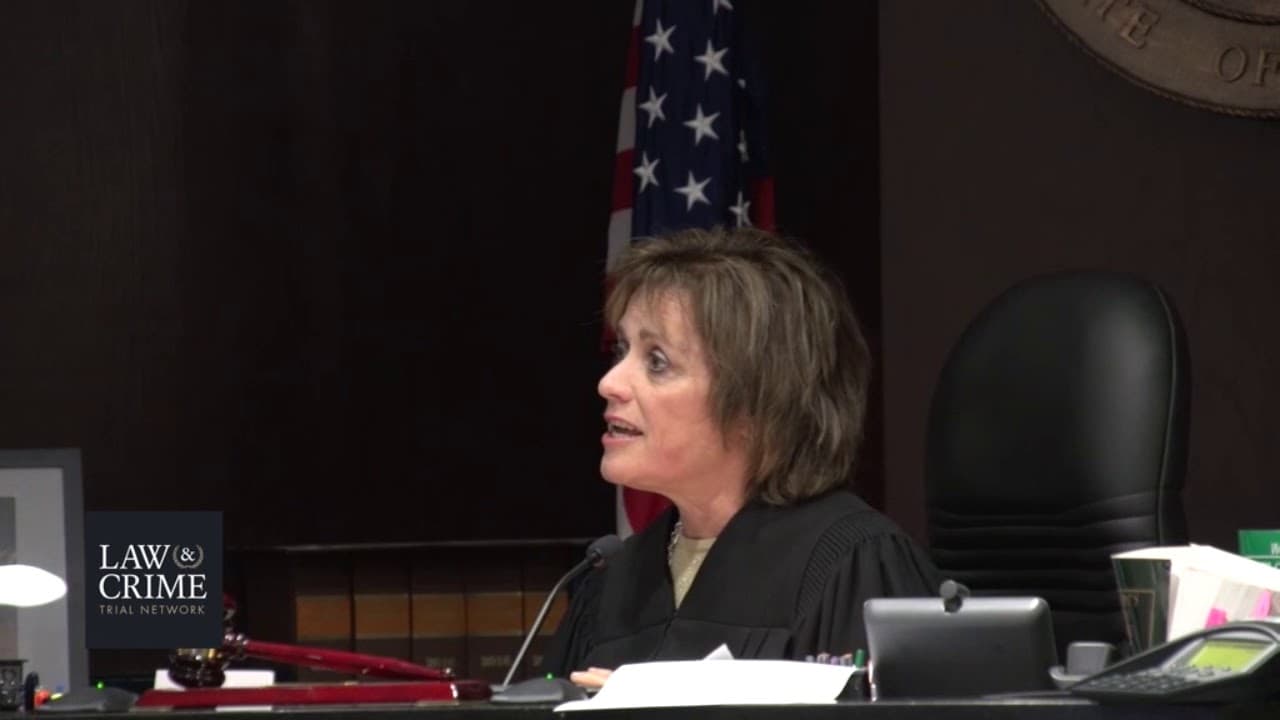
all right good afternoon again how are you all right a couple of things first let me asks you have any of you seen or heard or learned anything about this case or the people places involved in this case inadvertently or otherwise since we were last together quite frankly at all I am going to admonish you that I do expect some on media attention to ... Read More
Key Insights
- 🔉 Jurors are instructed to avoid media, ensuring unbiased decision-making.
- ⚾ The defendant's absence does not imply guilt, emphasizing the need to base verdicts solely on evidence.
- 🧚 Detailed guidance on trial procedures and juror conduct helps maintain a fair and just legal process.
- 👮 Impartiality is emphasized through instructions to focus solely on evidence and law in rendering a verdict.
Install to Summarize YouTube Videos and Get Transcripts
Explore YouTube Video Summarizer or Get YouTube Transcript Extractor
Questions & Answers
Q: Why are jurors instructed not to access media related to the case?
Jurors are asked to avoid media to prevent any external influence on their verdict based solely on the evidence presented in court, ensuring fairness and impartiality.
Q: What significance does a defendant's absence hold during a trial?
A defendant has the right to be present or absent during proceedings, and their absence should not influence jurors' decisions as guilt must be based on evidence, not presence.
Q: What role do opening statements and final arguments play in a trial?
Opening statements provide an overview of what evidence will be presented, while final arguments help jurors understand how to apply the law to the presented facts for a fair verdict.
Q: Why must jurors refrain from discussing the case until deliberations?
To prevent premature judgments or influences, jurors should only discuss the case during deliberations after hearing all evidence, instructions, and arguments.
Summary & Key Takeaways
-
The presiding judge instructs the jurors on the importance of not accessing media related to the case.
-
Details regarding the defendant's absence during the trial are clarified to avoid impacting the jurors' deliberative process.
-
Instructions on the trial process, evidence, final arguments, and juror conduct are outlined for clarity and impartiality.
Read in Other Languages (beta)
Share This Summary 📚
Summarize YouTube Videos and Get Video Transcripts with 1-Click
Try YouTube Summary with ChatGPT & Claude or YouTube Transcript Generator
Explore More Summaries from Law&Crime Network 📚





Summarize YouTube Videos and Get Video Transcripts with 1-Click
Try YouTube Summary with ChatGPT & Claude or YouTube Transcript Generator