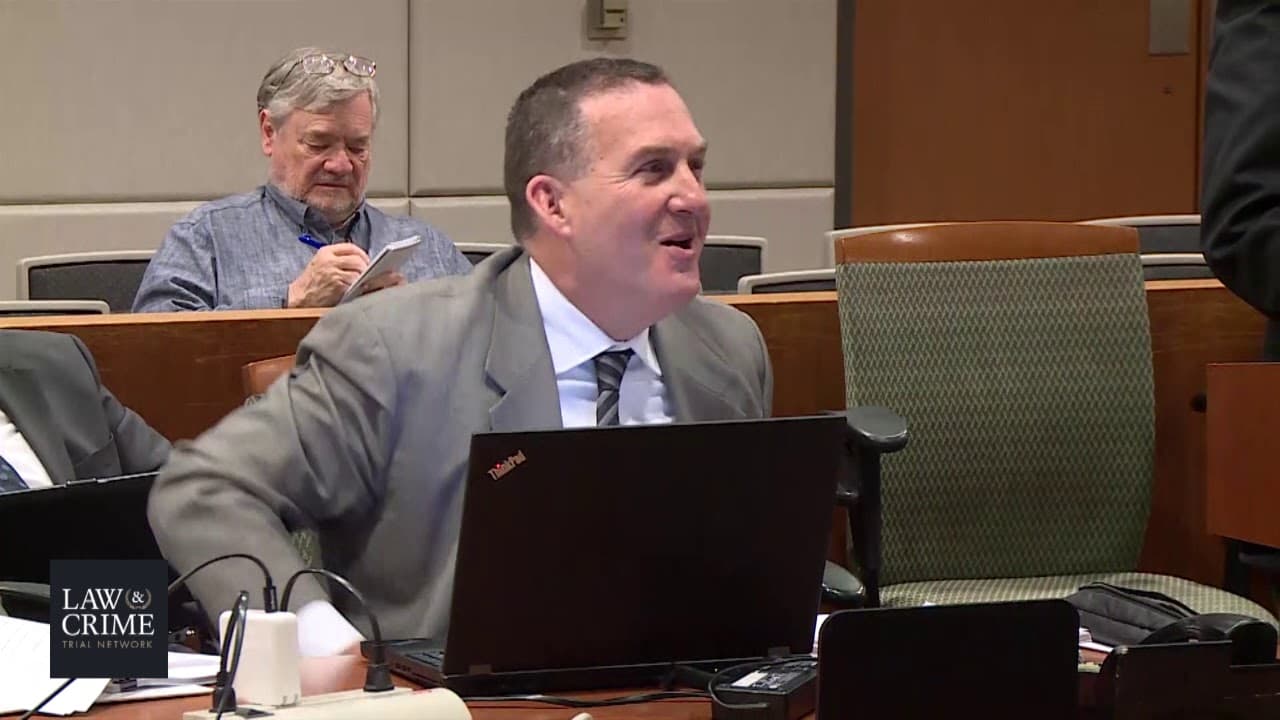
Robert Durst Pretrial Hearing - Defense Motion to Suppress Statements Part 1
TL;DR
Legal objections regarding plea negotiations and evidence admissibility in a court case are discussed in detail.
Transcript
please face the flag of our nation and recognize the principle for which it stands department 81 is now in session the Honorable Mark II window judge because I did you see the everyone good morning all right on the case of people versus Robert Durst John Ewing for the people your honor along with objections I read and considered with objections arg... Read More
Key Insights
- 😄 Legal objections focused on the admissibility of evidence, plea negotiations, and the invocation of privilege in a courtroom setting.
- 😄 Arguments highlighted the distinction between official plea negotiations and informal discussions in uncharged cases.
- 🈸 Detailed analysis was provided on the application of Evidence Code §1153 and the probative value of statements made during interviews.
- 🤨 The role of legal representation, the Fifth Amendment rights, and the nature of evidence adoption were central to the objections raised.
- 😒 Disputes arose over the use of factual assertions, opinions, and the hearsay nature of statements in the courtroom proceedings.
Install to Summarize YouTube Videos and Get Transcripts
Explore YouTube Video Summarizer or Get YouTube Transcript Extractor
Questions & Answers
Q: What objections were raised regarding the invocation of privilege by the defendant?
The objections centered around the defendant's selective refusal to answer specific questions, claiming an invocation of privilege rather than a blanket refusal to speak, leading to arguments on the probative nature of the questions and the defendant's right to remain silent.
Q: How were plea negotiations and their applicability to uncharged cases addressed in the legal arguments?
The legal arguments focused on distinguishing between bona fide plea negotiations in charged cases and the lack of such negotiations in uncharged cases, highlighting the absence of formal negotiations and legal representation in discussing terms outside the courtroom.
Q: What role did Evidence Code §1153 play in the objections raised in the courtroom?
Evidence Code §1153 was invoked to prohibit the use of admissions and statements made during plea bargaining negotiations in a prosecution's case-in-chief, leading to disputes over the application of this code to unfiled cases and the absence of formal plea discussions.
Q: How were factual assertions and opinions during the interview scrutinized for admissibility?
The admissibility of factual assertions and opinions raised during the interview was contested based on the adoption or denial of these statements by the defendant, with arguments on their relevance to establishing the truth of the case.
Summary & Key Takeaways
-
Legal objections raised in a courtroom regarding Fifth Amendment rights, plea negotiations, and evidence admissibility.
-
Arguments center around the invocation of privilege, refusal to answer specific questions, and the distinction between formal plea negotiations and uncharged cases.
-
Detailed analysis provided on the applicability of Evidence Code §1153, plea bargaining negotiations, and the nature of statements made during interviews.
Read in Other Languages (beta)
Share This Summary 📚
Summarize YouTube Videos and Get Video Transcripts with 1-Click
Try YouTube Summary with ChatGPT & Claude or YouTube Transcript Generator
Explore More Summaries from Law&Crime Network 📚
Summarize YouTube Videos and Get Video Transcripts with 1-Click
Try YouTube Summary with ChatGPT & Claude or YouTube Transcript Generator