How Do We Know We’re Tired?
TL;DR
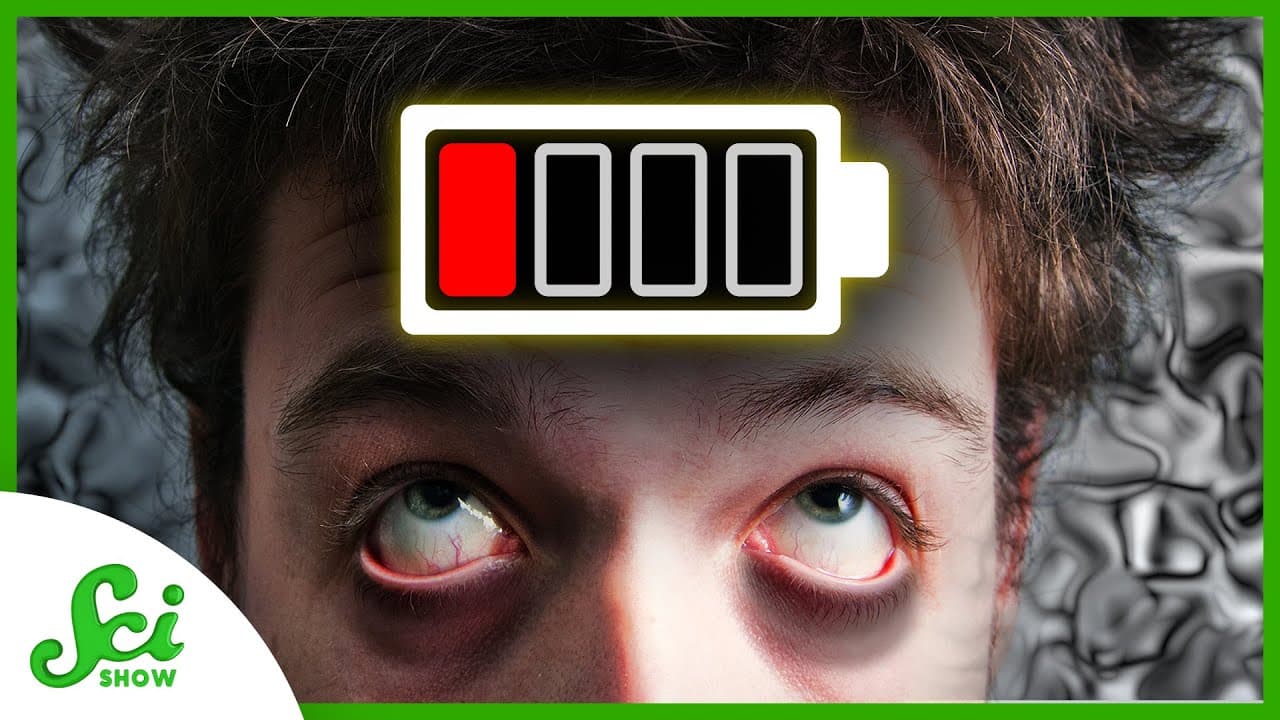
Scientists have discovered that DNA damage in neurons increases sleep pressure, making us feel tired. This discovery may have implications for understanding sleep-related disorders and aging.
Transcript
Thanks to Brilliant for supporting this episode of SciShow. Go to Brilliant.org/SciShow to check out their Applied Probability course and for 20% off an annual premium subscription. [♪ INTRO] For something so relaxing, sleep is actually surprisingly complicated. We spend a third of our lives sleeping, but there’s a lot we still don’t know about... Read More
Key Insights
- 😪 Sleep is a complex process that is still not fully understood.
- 😪 Circadian rhythms and homeostatic sleep pressure are the main factors driving sleep.
- 😪 DNA damage in neurons accumulates throughout the day and increases sleep pressure.
- 🖐️ PARP-1 protein plays a role in detecting and repairing DNA damage in neurons.
- 😪 The study of DNA damage in sleep may have implications for understanding neurodegenerative diseases and aging.
- 😪 Zebrafish larvae were used as a model organism to study the role of DNA damage in sleep.
- 😪 Manipulating levels of PARP-1 affected the sleep patterns of zebrafish.
Install to Summarize YouTube Videos and Get Transcripts
Explore YouTube Video Summarizer or Get YouTube Transcript Extractor
Questions & Answers
Q: What factors drive sleep?
Sleep is driven by circadian rhythms and homeostatic sleep pressure. Circadian rhythms determine when we sleep, while homeostatic sleep pressure increases the longer we stay awake.
Q: How does DNA damage affect sleep?
DNA damage in neurons accumulates throughout the day when we are awake. This buildup of DNA damage increases sleep pressure and makes us feel tired.
Q: How did scientists study the role of DNA damage in sleep?
Scientists used zebrafish larvae, which have similar nervous systems to humans, to study the role of DNA damage. They damaged the DNA in the fish's neurons and observed that it caused them to fall asleep more quickly and sleep for longer.
Q: How does PARP-1 protein play a role in sleep?
PARP-1 protein detects DNA damage and triggers the repair response. Levels of PARP-1 increase in neurons during the day alongside DNA damage, and decrease at night as the damage is repaired. Manipulating levels of PARP-1 affects the sleep patterns of zebrafish.
Summary & Key Takeaways
-
Sleep is driven by circadian rhythms and homeostatic sleep pressure.
-
Homeostatic sleep pressure increases the longer we stay awake and decreases the longer we sleep.
-
DNA damage in neurons accumulates throughout the day, leading to increased sleep pressure and tiredness.
Read in Other Languages (beta)
Share This Summary 📚
Summarize YouTube Videos and Get Video Transcripts with 1-Click
Try YouTube Summary with ChatGPT & Claude or YouTube Transcript Generator
Explore More Summaries from SciShow 📚


Summarize YouTube Videos and Get Video Transcripts with 1-Click
Try YouTube Summary with ChatGPT & Claude or YouTube Transcript Generator