Lunar Eclipse 101 | National Geographic
TL;DR
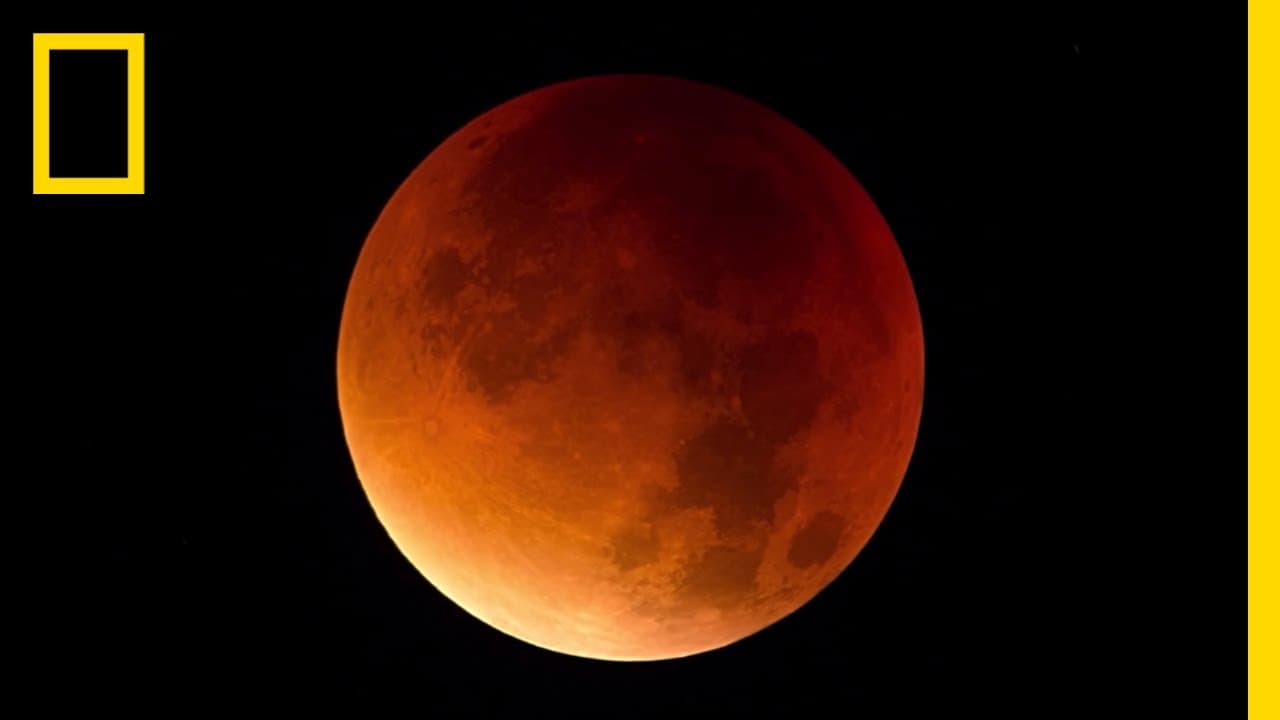
Lunar eclipses occur due to earth blocking the sun's light from reaching the moon, creating stunning visuals like a red moon.
Transcript
(bright music) - [Narrator] A lunar eclipse happens when the earth blocks some or all of the sun's direct light from reaching the moon. This cosmic event only takes place during a full moon, which happens once every 29 and a half days, or the length of one full orbit of the moon around the earth. So why don't we have an eclipse every month? The moo... Read More
Key Insights
- 🥮 Lunar eclipses occur during a full moon when the earth obstructs the sun's light from reaching the moon.
- 🙂 The red color of the moon during a total lunar eclipse is a result of light refraction and scattering in the earth's atmosphere.
- 🥮 There are three types of lunar eclipses: total, partial, and penumbral, each with varying degrees of shadow coverage on the moon.
- 👀 Lunar eclipses are safe to observe with the naked eye and can be seen up to three times a year.
- 🥺 The moon's orbit being tilted leads to the infrequent occurrence of lunar eclipses.
- 😶🌫️ The red glow of the moon during a total eclipse is affected by the amount of dust and clouds in the earth's atmosphere.
- 🫥 As the moon moves further away from the earth over time, total lunar eclipses may not be visible in the distant future.
Install to Summarize YouTube Videos and Get Transcripts
Explore YouTube Video Summarizer or Get YouTube Transcript Extractor
Questions & Answers
Q: Why don't lunar eclipses happen every month?
Lunar eclipses don't occur monthly because the earth, moon, and sun are not always in perfect alignment due to the moon's tilted orbit, causing them to align only a few times a year.
Q: What causes the moon to appear red during a total lunar eclipse?
The red color during a total lunar eclipse is due to shorter, blue wavelengths of light being scattered outward by the earth's atmosphere, while longer, red wavelengths are bent inward toward the moon.
Q: What are the three types of lunar eclipses?
The three types of lunar eclipses are total, partial, and penumbral, each characterized by the extent to which the moon passes through the earth's shadows.
Q: Is it safe to observe lunar eclipses with the naked eye?
Yes, unlike solar eclipses, it is safe to view lunar eclipses with the naked eye as the moon is far enough from the earth to prevent any harm from direct viewing.
Summary & Key Takeaways
-
Lunar eclipses happen when the earth obstructs the sun's light from reaching the moon during a full moon.
-
There are three types of lunar eclipses: total, partial, and penumbral, each differing in the extent of shadow coverage on the moon.
-
Lunar eclipses are safe to observe with the naked eye and occur up to three times a year.
Read in Other Languages (beta)
Share This Summary 📚
Summarize YouTube Videos and Get Video Transcripts with 1-Click
Try YouTube Summary with ChatGPT & Claude or YouTube Transcript Generator
Explore More Summaries from National Geographic 📚




Summarize YouTube Videos and Get Video Transcripts with 1-Click
Try YouTube Summary with ChatGPT & Claude or YouTube Transcript Generator