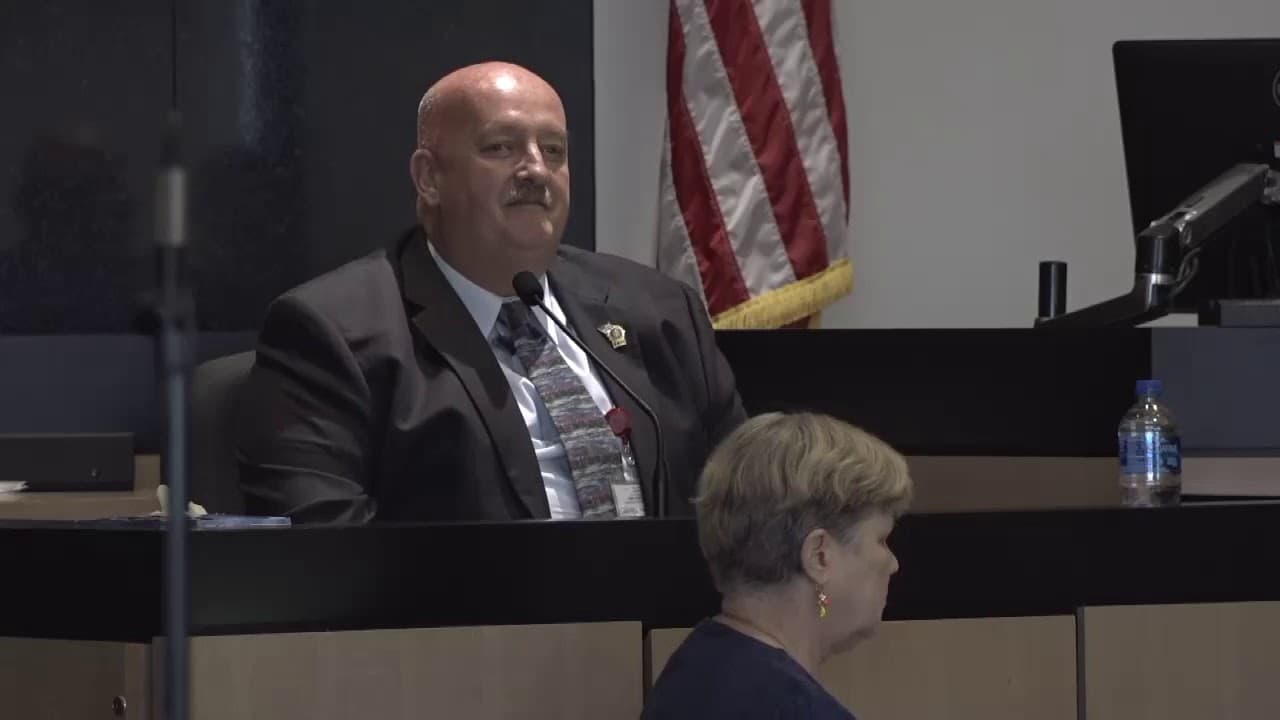
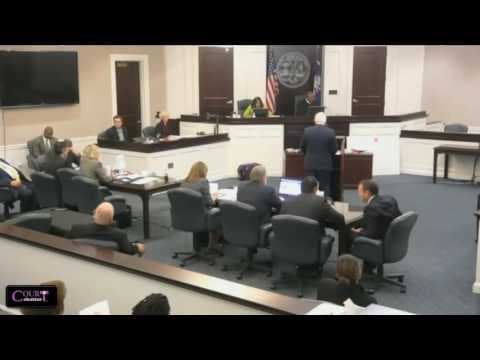
James Scandirito Trial Day 3 Part 5 CSI Frank Katen Testifies
TL;DR
Expert discusses crime scene investigation techniques and evidence collection.
Transcript
have a right to hire someone before they give an opinion if you want me to do that I'll be happy to turn to you for that just all their qualifications and then I don't want me to do that I mean yes I mean on Monday sometimes sometimes those lawyers say no job just waiting for cross you know if I ask the court to make information of this person is a... Read More
Key Insights
- 🎑 Luminol and phenolphthalein are essential chemical tools in crime scene investigations for blood detection.
- 🧬 Evidence processing involves careful documentation, swab and sample collection, DNA analysis, and fingerprint examination.
- ❓ Advanced training and certification are prerequisites for senior forensic analysts to ensure accurate and reliable evidence processing.
- 🎑 Expertise in photography, blood spatter analysis, DNA testing, and chemical detection methods are crucial for crime scene investigations.
- 🤩 Proper evidence handling, contamination prevention, and documentation are key to maintaining the integrity of evidence in criminal cases.
- 🖐️ Crime scene supervisors play a vital role in coordinating evidence collection, processing, and analysis for law enforcement investigations.
- 🎑 A thorough understanding of forensic techniques, tools, and procedures is necessary for effective crime scene analysis and evidence interpretation.
Install to Summarize YouTube Videos and Get Transcripts
Explore YouTube Video Summarizer or Get YouTube Transcript Extractor
Questions & Answers
Q: What are the key duties of a crime scene unit member?
A crime scene unit member's duties include responding to crime scenes, collecting physical evidence, documenting with notes and photography, testing evidence, and testifying in court proceedings.
Q: How is luminol used in crime scene investigations for blood detection?
Luminol is sprayed on surfaces to detect chemiluminescence from blood, providing visible indications of blood presence even when it is not visually apparent.
Q: What training is required to become a board-certified senior crime scene analyst?
Extensive training in various forensic techniques like photography, latent prints, blood spatter, and DNA analysis is required along with certifications from organizations like the International Association for Identification.
Q: How does the expert process evidence like suitcases for DNA analysis?
Evidence like suitcases contaminated with body fluids is dried, cuttings are taken, and samples are swabbed for further testing, ensuring proper handling to avoid contamination and preserve evidence.
Summary & Key Takeaways
-
Crime scene supervisor discusses duties in crime scene unit like evidence collection, testing, and court testimony.
-
Detailed insights on photography, blood spatter detection, luminol, and chemical testing techniques.
-
Processing of evidence like hand trucks, suitcases, and vehicles using luminol and phenolphthalein for blood detection.
Read in Other Languages (beta)
Share This Summary 📚
Summarize YouTube Videos and Get Video Transcripts with 1-Click
Try YouTube Summary with ChatGPT & Claude or YouTube Transcript Generator
Explore More Summaries from Law&Crime Network 📚

Summarize YouTube Videos and Get Video Transcripts with 1-Click
Try YouTube Summary with ChatGPT & Claude or YouTube Transcript Generator