6 Animals That Consume Bizarre Diets
TL;DR
Animals like crocodiles, sharks, snakes, mongooses, moths, and pitcher plants have bizarre diets that include fruits, nuts, seagrass, snails, nectar, dead tortoise shells, and even bat poop.
Transcript
[♩INTRO] You might sometimes venture outside your culinary comfort zone. Maybe you’ve eaten toasted crickets, or you’ve sampled escargot on a trip to France. But the seven organisms on this list don’t just dabble in out-of-the-box delicacies, they make some really bizarre dietary choices. Like, you just don’t expect sharks to eat plants, or, well, ... Read More
Key Insights
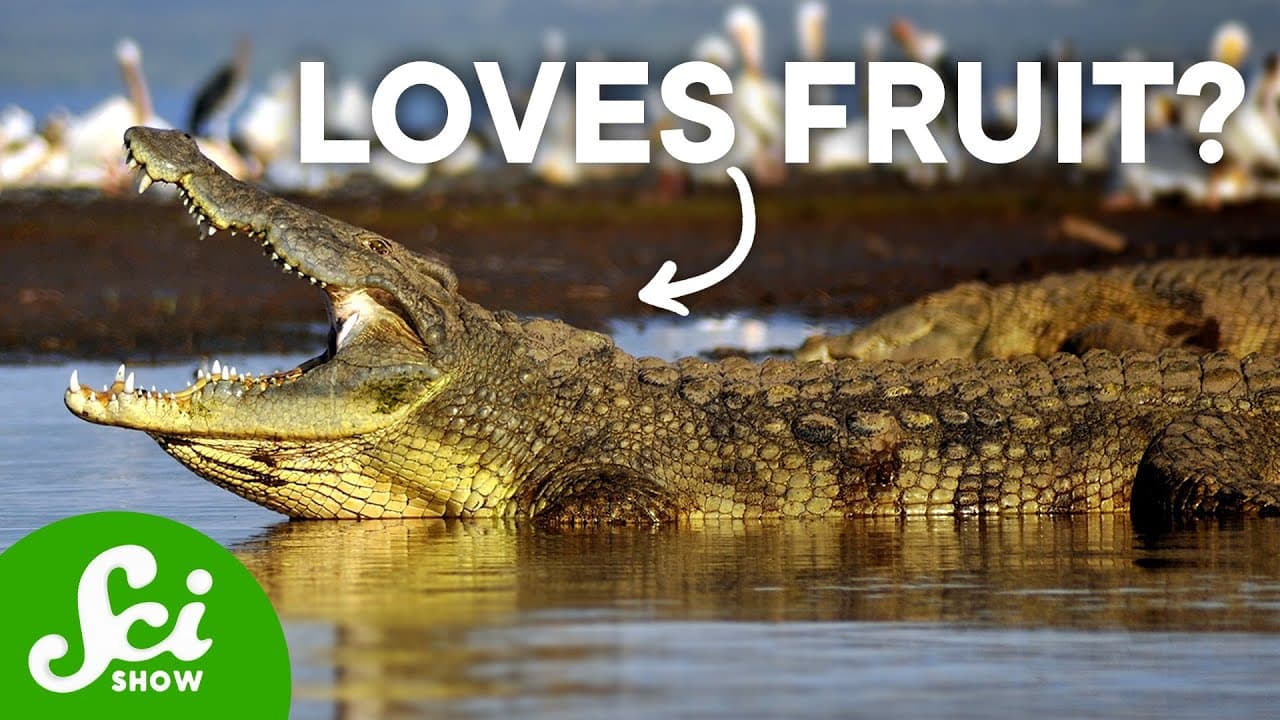
- 🌱 Crocodiles and alligators display frugivorous tendencies, consuming a variety of fruits, nuts, seeds, and plants.
- 🦈 Sharks, like the bonnethead shark, showcase omnivorous capabilities by effectively absorbing nutrients from seagrass.
- 😅 Certain snake species have adapted to eat snails and slugs, utilizing special jaw structures and toxins.
- ❓ Mongooses, known for their carnivorous diet, have also been observed consuming nectar, possibly for the energy provided by sugar.
- 😅 Tineidae moth caterpillars have evolved to eat the shells of dead tortoises due to their unique ability to digest keratin.
- 🛀 Pitcher plants display a mutualistic relationship with bats, obtaining nitrogen from bat guano and urine.
- 😂 Madagascar tear drinking moths have specialized in feeding on the tears of birds, providing them with necessary nutrients.
Install to Summarize YouTube Videos and Get Transcripts
Explore YouTube Video Summarizer or Get YouTube Transcript Extractor
Questions & Answers
Q: Why do crocs and alligators eat fruits and nuts?
It is believed that crocs and alligators are generalist feeders, consuming whatever food is available. However, there are theories suggesting they might intentionally seek out nuts as gastroliths to aid digestion.
Q: How do sharks break down fibrous cellulose from seagrass?
Sharks, including the bonnethead shark, possess an enzyme called b-glucosidase in their stomachs, which helps break down the fibrous cellulose in plants. This enzyme is also found in the guts of seaweed-eating fish and certain species of plankton-eating sharks.
Q: Why do some snakes specialize in eating snails and slugs?
Biologists believe that competition with other snake species forced some snakes to evolve and carve out a niche by feeding on less popular prey, such as snails. The ability to eat snails evolved due to special adaptations like loose skin and specialized jaws.
Q: Why do mongooses, who are primarily carnivorous, consume nectar?
While the exact reason is unclear, scientists speculate that mongooses may have initially been attracted to the carbohydrates or proteins emitted by sugarbush flowers. Once they discovered the sugar rush from nectar, they continued consuming it.
Summary & Key Takeaways
-
Crocs and alligators, including the American alligator, are known to eat a wide range of fruits, nuts, seeds, and other plants, possibly as a way to aid digestion or due to accidental consumption.
-
The bonnethead shark, a member of the hammerhead family, supplements its diet of shrimps and mollusks with seagrass, showcasing its ability to break down plant fibers.
-
Certain species of snakes, known as "goo-eating" snakes, have adapted to feed on snails and slugs, with special adaptations such as loose skin, curved teeth, and secretion of fluids.
-
Indian Grey Mongooses, primarily carnivores, consume nectar from sugarbush flowers, exhibiting an unusual taste for sweet substances.
Read in Other Languages (beta)
Share This Summary 📚
Summarize YouTube Videos and Get Video Transcripts with 1-Click
Try YouTube Summary with ChatGPT & Claude or YouTube Transcript Generator
Explore More Summaries from SciShow 📚





Summarize YouTube Videos and Get Video Transcripts with 1-Click
Try YouTube Summary with ChatGPT & Claude or YouTube Transcript Generator