What Are Volcanoes and How Do They Form?
TL;DR
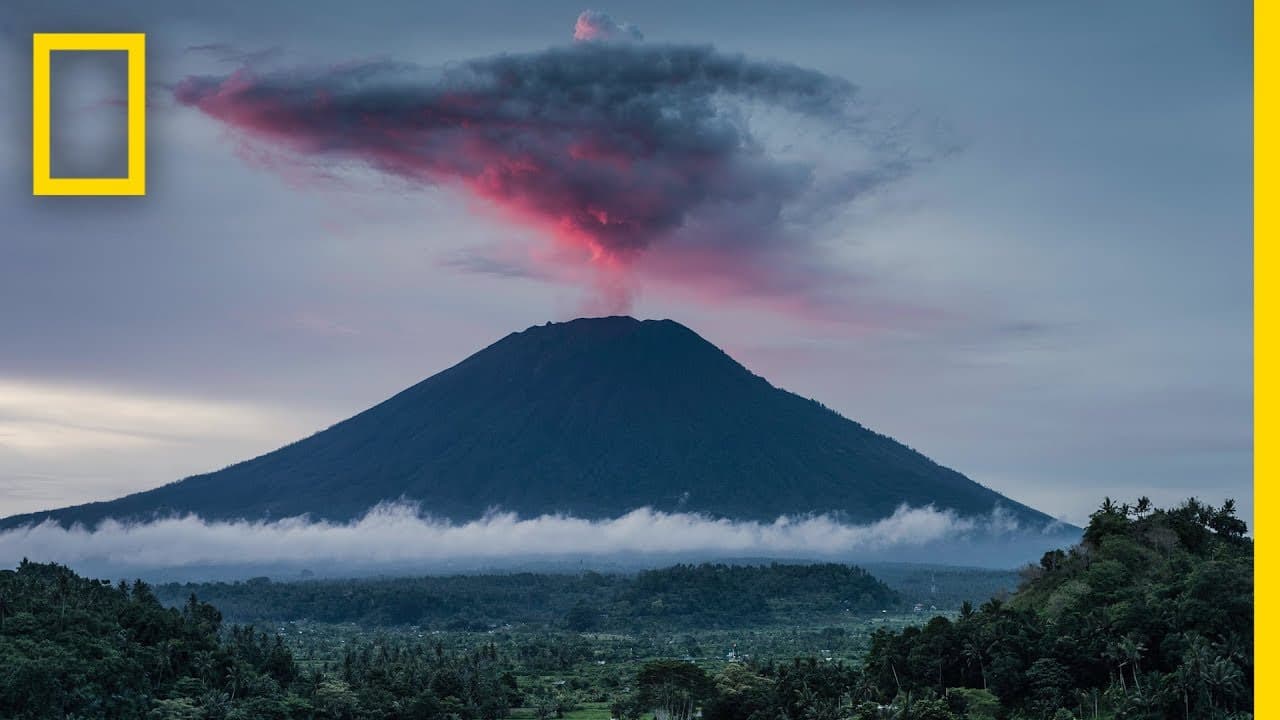
Volcanoes are openings in the Earth's crust where magma escapes, primarily located along tectonic plate boundaries, especially the Ring of Fire. They come in various types, including stratovolcanoes and shield volcanoes, and are classified by the Volcanic Explosivity Index (VEI), which measures eruption magnitude. While they can be destructive, volcanoes also enhance soil fertility and contribute to land formation.
Transcript
portals Into the Heart of the earth they burn bottomless cauldrons fueled by an ancient rat bubbling and boiling thousands of miles beneath the surface and just waiting to burst through volcanoes are scattered across of volcanoes can be found across the world though countless others are on the ocean floor most volcanoes whether on land or underwate... Read More
Key Insights
- 🍽️ Volcanoes are primarily located where tectonic plates meet, with the Ring of Fire containing most of them.
- 🌋 Different types of volcanoes have distinct shapes and characteristics.
- 🆘 The Volcanic Explosivity Index helps measure and classify the magnitude of volcanic eruptions.
- 🪈 The most catastrophic eruption on record was Mount Tambora in 1815, causing widespread devastation.
- 💨 Volcanoes contribute to the planet's fertility through volcanic ash and help create new landforms.
Install to Summarize YouTube Videos and Get Transcripts
Explore YouTube Video Summarizer or Get YouTube Transcript Extractor
Questions & Answers
Q: Where are most volcanoes found?
Most volcanoes are found along the boundaries of tectonic plates, specifically along the Ring of Fire, which encircles the Pacific Ocean.
Q: What are the different types of volcanoes?
There are various types of volcanoes, including stratovolcanoes (tall and steep), shield volcanoes (flatter and dome-shaped), calderas (large depressions), and mid-ocean ridges (underwater chains of volcanic mountains).
Q: How are volcanic eruptions measured and classified?
Scientists use the Volcanic Explosivity Index (VEI) to measure and classify volcanic eruptions, taking into account factors such as lava volume, emissions, and eruption cloud height.
Q: What is the most catastrophic volcanic eruption ever witnessed?
The most destructive volcanic eruption witnessed occurred in 1815, when Mount Tambora in Indonesia erupted with a VEI measurement of seven. It caused earthquakes, tsunamis, and pyroclastic flows, taking tens of thousands of lives.
Key Insights:
- Volcanoes are primarily located where tectonic plates meet, with the Ring of Fire containing most of them.
- Different types of volcanoes have distinct shapes and characteristics.
- The Volcanic Explosivity Index helps measure and classify the magnitude of volcanic eruptions.
- The most catastrophic eruption on record was Mount Tambora in 1815, causing widespread devastation.
- Volcanoes contribute to the planet's fertility through volcanic ash and help create new landforms.
- The Earth's dynamic landscape is a result of the heat and power generated by volcanoes.
Summary & Key Takeaways
-
Volcanoes are located mainly where tectonic plates meet, with 75% of the world's volcanoes found along the Ring of Fire.
-
They come in various types, including stratovolcanoes, shield volcanoes, calderas, and mid-ocean ridges.
-
Volcanic eruptions occur when magma rises through vents in the Earth's crust, releasing lava and pyroclastic flow.
Read in Other Languages (beta)
Share This Summary 📚
Summarize YouTube Videos and Get Video Transcripts with 1-Click
Try YouTube Summary with ChatGPT & Claude or YouTube Transcript Generator
Explore More Summaries from National Geographic 📚



Summarize YouTube Videos and Get Video Transcripts with 1-Click
Try YouTube Summary with ChatGPT & Claude or YouTube Transcript Generator