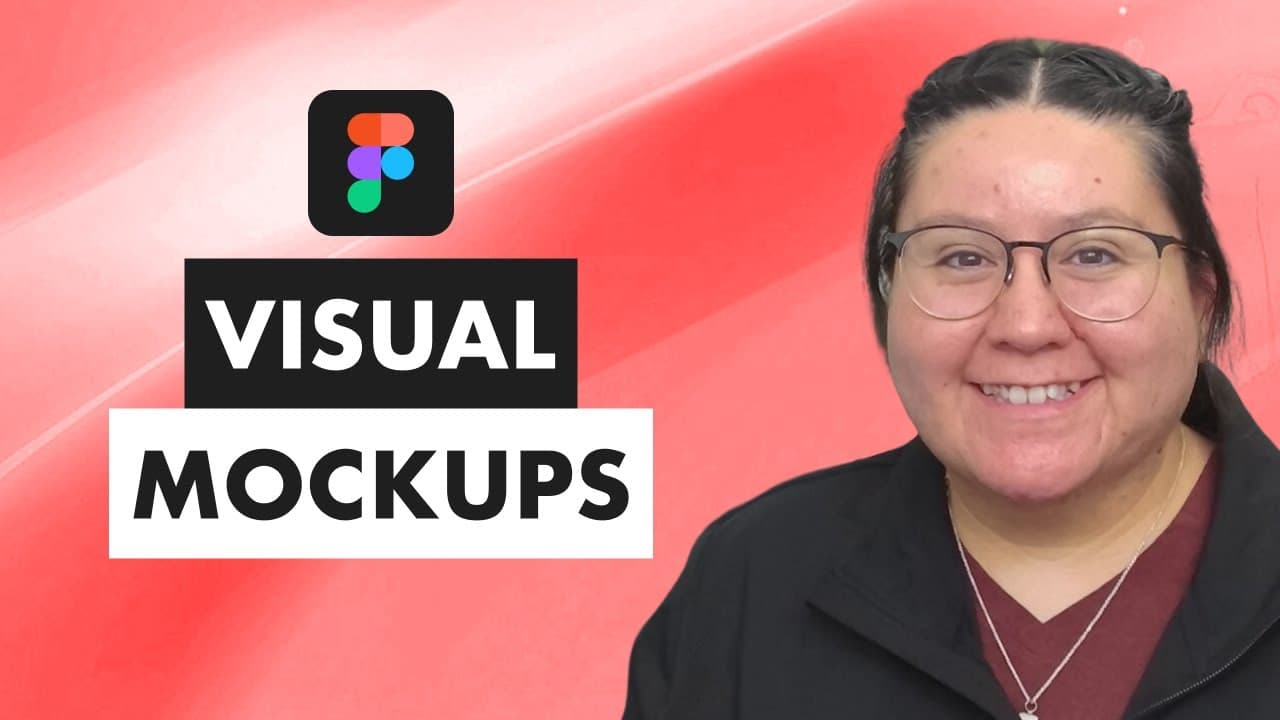
How to Create Visual Mockups in Figma (Instructional Design & eLearning)
TL;DR
Learn how to create high fidelity eLearning mockups using Figma, saving time in development.
Transcript
Sabrina: You've probably heard the phrase, "go slow to go fast." This is especially true when developing eLearning experiences. Have you ever started to develop an eLearning experience only to find out that the graphics and the layouts that you were envisioning don't really work in the way that you expected? Well, you can avoid this pitfall by crea... Read More
Key Insights
- 🆘 Visual mockups in eLearning development help in testing and refining graphics and layouts.
- 🕠 Understanding the difference between lo-fi and hi-fi mockups ensures effective design choices in the development process.
- ✋ Figma serves as a versatile tool for creating high fidelity mockups with detailed graphics and layouts.
- 🎨 Iterative design processes involve incorporating feedback to refine and improve the mockup designs.
- 😒 Efficient use of Figma's features can streamline the creation of high-quality eLearning mockups.
- 👻 Prototype creation in Figma allows for a seamless transition into interactive development.
- 🎨 Organizing assets and using SVG images in Figma enhances design flexibility and scalability.
Install to Summarize YouTube Videos and Get Transcripts
Explore YouTube Video Summarizer or Get YouTube Transcript Extractor
Questions & Answers
Q: What is the significance of creating visual mockups in eLearning development?
Visual mockups allow designers to test graphics and layouts before moving into development, ensuring an engaging user experience and saving time by avoiding unexpected issues.
Q: What are lo-fi and hi-fi mockups in eLearning design?
Lo-fi mockups are simplified representations using basic shapes, while hi-fi mockups are detailed visuals resembling the final product with colors, graphics, and fonts.
Q: How does Figma aid in the creation of high fidelity mockups?
Figma provides a powerful platform for designing high fidelity mockups by allowing the integration of graphics, colors, and layouts to visualize the final product effectively.
Q: Why is it essential to iterate and seek feedback in the mockup design process?
Iterative design processes involve making adjustments based on feedback from stakeholders to ensure the mockups meet the desired objectives and align with the project requirements.
Summary & Key Takeaways
-
The importance of creating visual mockups in eLearning development to test graphics and layouts.
-
Understanding the difference between lo-fi and hi-fi mockups.
-
Using Figma to efficiently create high fidelity eLearning mockups.
Read in Other Languages (beta)
Share This Summary 📚
Summarize YouTube Videos and Get Video Transcripts with 1-Click
Try YouTube Summary with ChatGPT & Claude or YouTube Transcript Generator
Explore More Summaries from Devlin Peck 📚




Summarize YouTube Videos and Get Video Transcripts with 1-Click
Try YouTube Summary with ChatGPT & Claude or YouTube Transcript Generator