Money: An Islamic Perspective - Hacene Chebbani
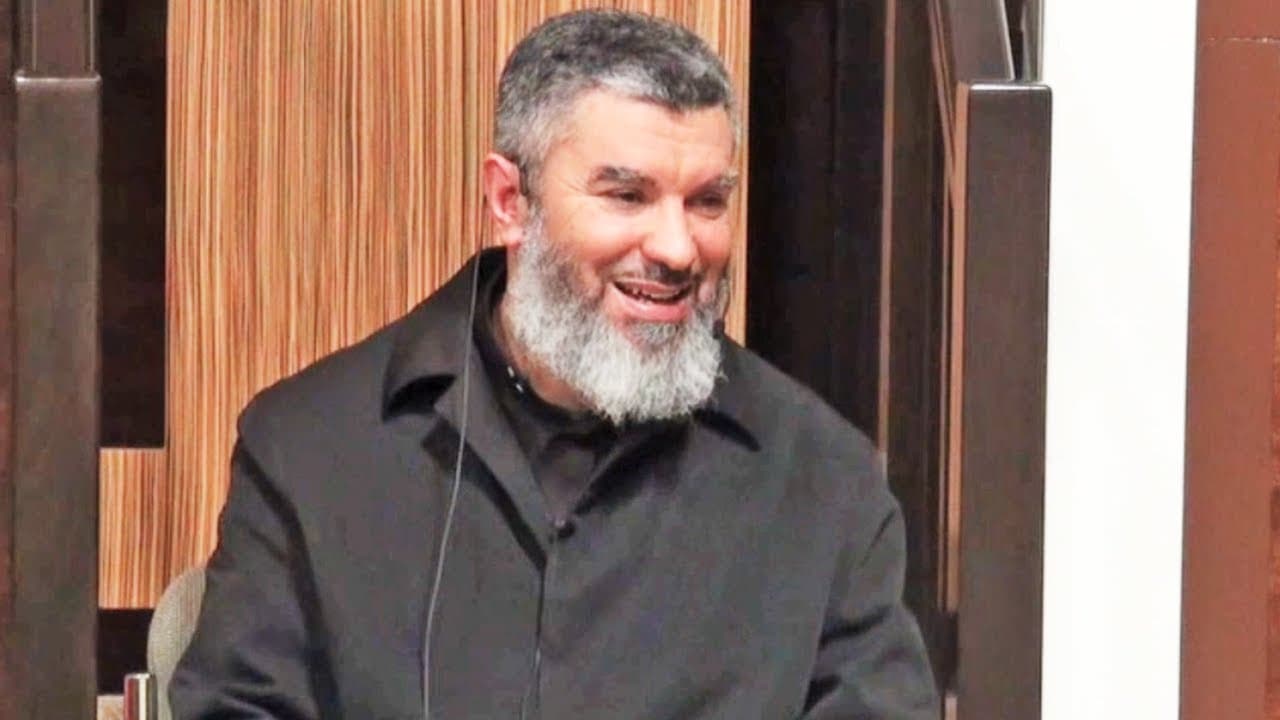
TL;DR
Understanding the nature of money in Islam, its impact on financial systems, and guidelines for trading.
Transcript
alhamd dear brothers and sisters tonight in we'll be talking about the nature of money in Islam and from that subject we will uh uh as a result of this discussion we'll talk inshallah about maybe what's happening in the Forex markets the the online currency trading and also we'll talk a little bit about the new forms of digital money because there ... Read More
Key Insights
- 🤑 Money in Islam is viewed as a tool with specific roles in economic systems, emphasizing requirements for acceptance and criteria for trading.
- 🦮 Islamic finance distinguishes between Halal and Haram financial dealings, guiding Muslims on the ethical considerations of currency trading.
- 🤑 Contemporary scholars address the complexities of paper currency, digital money, and stock market investments, offering guidelines for Halal practices.
- 🤑 The role of money as a medium of exchange, unit of account, and store of value shapes Islamic perspectives on financial transactions.
- 🚚 Criteria for the Halal status of trading in the Forex markets include immediate delivery, like-for-like exchanges, and avoiding interest-based transactions.
- ⚾ Companies in the stock market are categorized based on their products and financial dealings, with guidelines for purifying income from questionable sources.
- 🤑 Understanding the nature of money in Islam involves studying historical practices, contemporary financial systems, and ethical considerations in financial transactions.
Install to Summarize YouTube Videos and Get Transcripts
Explore YouTube Video Summarizer or Get YouTube Transcript Extractor
Questions & Answers
Q: How does the Islamic perspective on money differ from conventional systems?
In Islamic finance, money is viewed as a tool with specific criteria for acceptance, emphasizing its role as a medium of exchange, unit of account, and store of value. This differs from conventional systems that may prioritize profit over ethical considerations.
Q: What are the criteria for determining the Halal status of trading in the Forex markets?
Islamic scholars outline specific rules and conditions for trading in the Forex markets, focusing on immediate delivery of exchanged currency, like-for-like transactions, and avoiding involvement in Riba (interest).
Q: How do contemporary scholars address the issue of paper currency and digital money in Islamic finance?
The discussion on paper currency and digital money in Islamic finance involves analyzing the nature of money, its acceptance as a medium of exchange, and considerations on its intrinsic value versus government-backed fiat currencies.
Q: What guidelines are provided for dealing with companies in the stock market from an Islamic perspective?
Islamic scholars categorize companies based on their products and financial dealings to determine the permissibility of trading their shares. Criteria such as avoiding involvement in Haram activities and purifying income from questionable sources are essential considerations.
Summary & Key Takeaways
-
Money holds a critical role in economic systems, impacting the strength or challenges in an economy.
-
Islamic finance distinguishes the status and role of money from conventional systems, emphasizing its value as a medium of exchange, unit of account, and store of value.
-
Scholars have studied the nature of money in Islam, highlighting its significance as a tool and discussing the implications of various forms of currency.
Read in Other Languages (beta)
Share This Summary 📚
Summarize YouTube Videos and Get Video Transcripts with 1-Click
Try YouTube Summary with ChatGPT & Claude or YouTube Transcript Generator
Explore More Summaries from Digital Mimbar 📚


Summarize YouTube Videos and Get Video Transcripts with 1-Click
Try YouTube Summary with ChatGPT & Claude or YouTube Transcript Generator