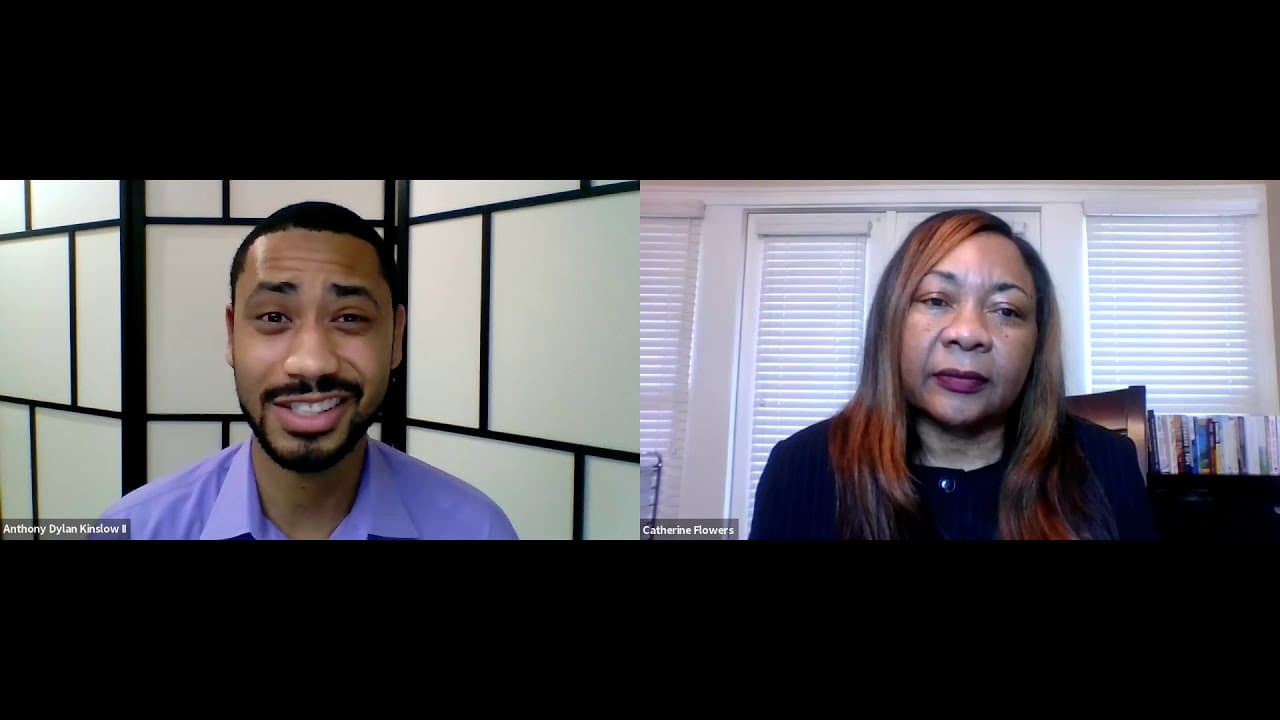
Catherine Coleman Flowers, Founder, Center for Rural Enterprise and Environmental Justice
TL;DR
Catherine Flowers, an activist and educator, discusses the importance of environmental justice and a just transition to a clean energy economy. She highlights the need for sustainable practices that prioritize the well-being of communities, particularly those that are marginalized.
Transcript
it's a great pleasure for me to be able to interview uh catherine in part because we both are proud alums of hbcus and we're both from the south rural south so uh for me it's like it's great to be able to have this opportunity and we don't have a lot of time so i want to jump right into it and this is the climate business innovation summit so i thi... Read More
Key Insights
- 👨⚖️ Environmental justice should be at the center of all endeavors, including business, to address the inequities perpetuated by profit-driven structures.
- 👨💼 A just transition to a clean energy economy is essential, considering the impact on workers, particularly in industries affected by the transition, and ensuring access to jobs and business opportunities.
- 🧑🏭 Historical methods used to divide poor people, based on factors like race and economic status, continue to perpetuate environmental injustices and should be acknowledged and addressed.
Install to Summarize YouTube Videos and Get Transcripts
Explore YouTube Video Summarizer or Get YouTube Transcript Extractor
Questions & Answers
Q: What is Catherine Flowers' role as an activist and educator?
Catherine Flowers considers herself an activist and educator. She uses her activist background and teaching experience to uplift the voices of those affected by environmental injustices. Her work focuses on advocating for environmental justice and raising awareness about the importance of sustainability in all aspects of society, including business.
Q: Why does a just transition to a clean energy economy matter to everyone, regardless of race or identity?
Flowers argues that a just transition benefits everyone. She highlights the need to consider workers in industries affected by the transition, particularly those who have been supporting families. Additionally, communities of color, who often bear the brunt of environmental injustices, should have access to not only green jobs but also business opportunities to ensure true sustainability.
Q: How have poor people been historically divided, and are these methods new?
Flowers explains that the methods used to divide poor people are not new and have existed since the writing of the Constitution, which favored white male landowners. These divisions continue to perpetuate systemic inequalities. She provides examples from her visits to areas like Appalachia and Cancer Alley, where communities are pitted against each other based on issues like fracking and monetary gains, creating further divisions.
Q: How can the business world and business schools address environmental injustice and inequity?
Flowers suggests that businesses and business schools should first acknowledge their role in perpetuating environmental injustice. They should actively recruit students from historically black colleges and universities (HBCUs) and form partnerships with these institutions. Including the voices of those affected by environmental injustices in decision-making processes and designing sustainable solutions is crucial for achieving environmental justice.
Summary & Key Takeaways
-
Catherine Flowers, an activist and educator, explains that her work revolves around uplifting the voices of people suffering from environmental inequities, particularly in areas like Cancer Alley, where communities are sacrificed for business interests.
-
She emphasizes the need for a just transition to a clean energy economy that considers the wellbeing of both workers and affected communities, ensuring access to jobs and business opportunities.
-
Flowers discusses the historical methods used to divide and segregate poor people, highlighting the importance of acknowledging the systemic obstacles that contribute to environmental injustice.
Read in Other Languages (beta)
Share This Summary 📚
Summarize YouTube Videos and Get Video Transcripts with 1-Click
Try YouTube Summary with ChatGPT & Claude or YouTube Transcript Generator
Explore More Summaries from Stanford Graduate School of Business 📚

Summarize YouTube Videos and Get Video Transcripts with 1-Click
Try YouTube Summary with ChatGPT & Claude or YouTube Transcript Generator