How a Formula 1 Race Car Works
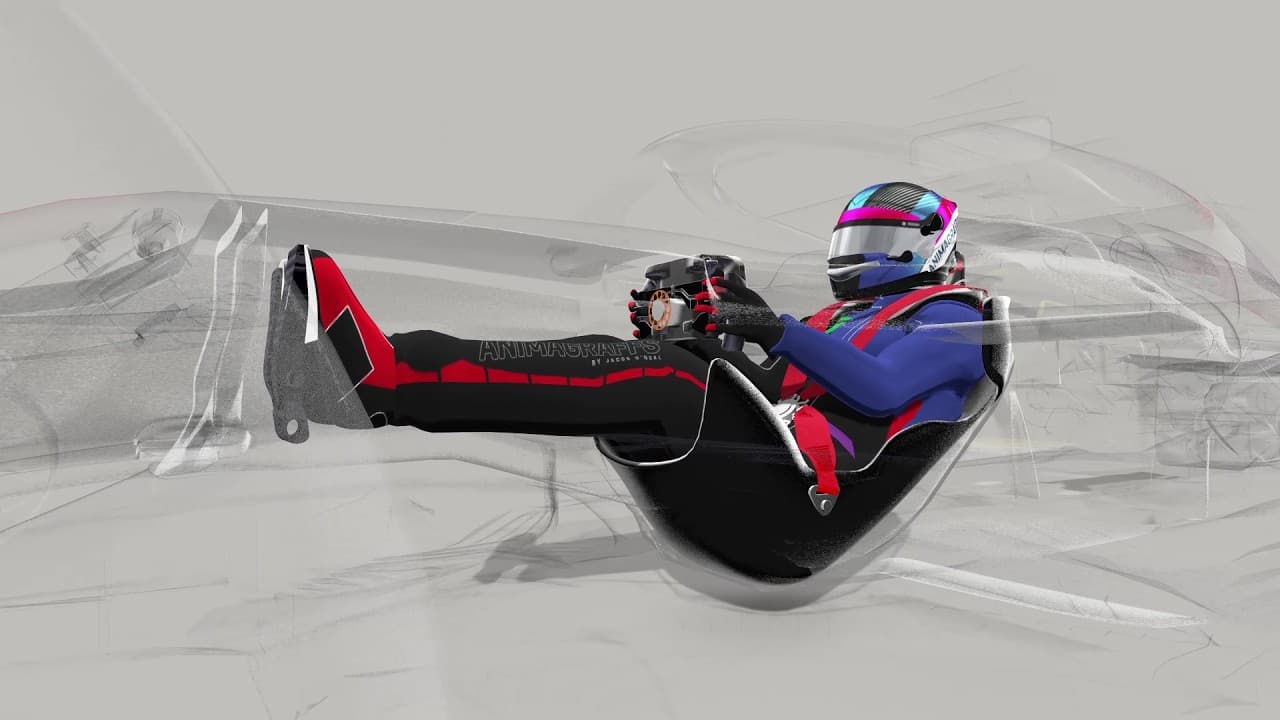
TL;DR
Formula 1 race cars use aerodynamics, suspension systems, braking systems, and advanced engine technology to achieve high speeds and optimal performance on the track.
Transcript
I'm Jake O'Neal, creator of Animagraffs. And this is how a Formula 1 race car works. Let's start with Aerodynamics, which is how the car interacts with and moves through the air around it. It's best to focus on overall theory here to avoid getting lost in the absolute maze of individual aerodynamic features. The front wing curves upward, ... Read More
Key Insights
- 🏇 Aerodynamics is crucial in Formula 1 racing, as it helps create downforce to improve grip and handling.
- 😨 The suspension system in a Formula 1 car is highly advanced and consists of various components working together to provide stability and control.
- 🥵 The braking system of a Formula 1 car is built to withstand intense heat and is designed for precise and reliable stopping power.
- 🎠 Formula 1 cars use hybrid technology with an Energy Recovery System (ERS) to generate additional power.
- 🦺 Safety is a top priority in Formula 1, with robust safety systems, cockpit design, and driver protection measures in place.
- 🧑🦼 Formula 1 steering wheels are highly customizable and feature numerous controls and displays for the driver.
- 😨 Sensors are used throughout the car to monitor various parameters and ensure optimal performance.
Install to Summarize YouTube Videos and Get Transcripts
Explore YouTube Video Summarizer or Get YouTube Transcript Extractor
Questions & Answers
Q: How does aerodynamics affect the performance of a Formula 1 race car?
Aerodynamics plays a critical role in Formula 1, as it helps generate downforce, which improves grip and handling. The front wing, floor, rear wing, and diffuser all contribute to the overall aerodynamic performance of the car.
Q: How does the suspension system of a Formula 1 car work?
The suspension system in a Formula 1 car consists of wishbone arms, push or pull rods, and torsion bars. These components work together to provide stability, control, and precise handling by controlling the vertical movement and damping of the car.
Q: What features are included in the braking system of a Formula 1 car?
The braking system in a Formula 1 car includes carbon-based brake discs, hydraulic control, brake ducts for cooling, and a complex computer-managed system. The brake discs feature thousands of small holes for maximum cooling efficiency.
Q: How does the engine of a Formula 1 car differ from a regular car engine?
Formula 1 cars use a high-revving, 6-cylinder V configuration engine with intricate exhaust headers and a split turbocharger design. The engine is also equipped with a heat recovery unit and an Energy Recovery System (ERS) for hybrid functionality.
Key Insights:
- Aerodynamics is crucial in Formula 1 racing, as it helps create downforce to improve grip and handling.
- The suspension system in a Formula 1 car is highly advanced and consists of various components working together to provide stability and control.
- The braking system of a Formula 1 car is built to withstand intense heat and is designed for precise and reliable stopping power.
- Formula 1 cars use hybrid technology with an Energy Recovery System (ERS) to generate additional power.
- Safety is a top priority in Formula 1, with robust safety systems, cockpit design, and driver protection measures in place.
- Formula 1 steering wheels are highly customizable and feature numerous controls and displays for the driver.
- Sensors are used throughout the car to monitor various parameters and ensure optimal performance.
- Formula 1 cars are sophisticated racing machines that undergo continuous technological advancements for improved performance.
Summary & Key Takeaways
-
Formula 1 race cars utilize aerodynamics to create downforce, which helps to push the car into the track and improve handling.
-
The suspension system in a Formula 1 car is sophisticated, with components such as wishbone arms, push or pull rods, and torsion bars to provide stability and precise control.
-
The braking system of a Formula 1 car includes features such as carbon-based brake discs, hydraulic control, and heat management to ensure effective and reliable stopping power.
Read in Other Languages (beta)
Share This Summary 📚
Summarize YouTube Videos and Get Video Transcripts with 1-Click
Try YouTube Summary with ChatGPT & Claude or YouTube Transcript Generator
Explore More Summaries from Animagraffs 📚

Summarize YouTube Videos and Get Video Transcripts with 1-Click
Try YouTube Summary with ChatGPT & Claude or YouTube Transcript Generator