SEO vs. SEM: What’s the Difference and Why Should You Care?
TL;DR
SEO and SEM are complementary strategies for maximizing search engine marketing.
Transcript
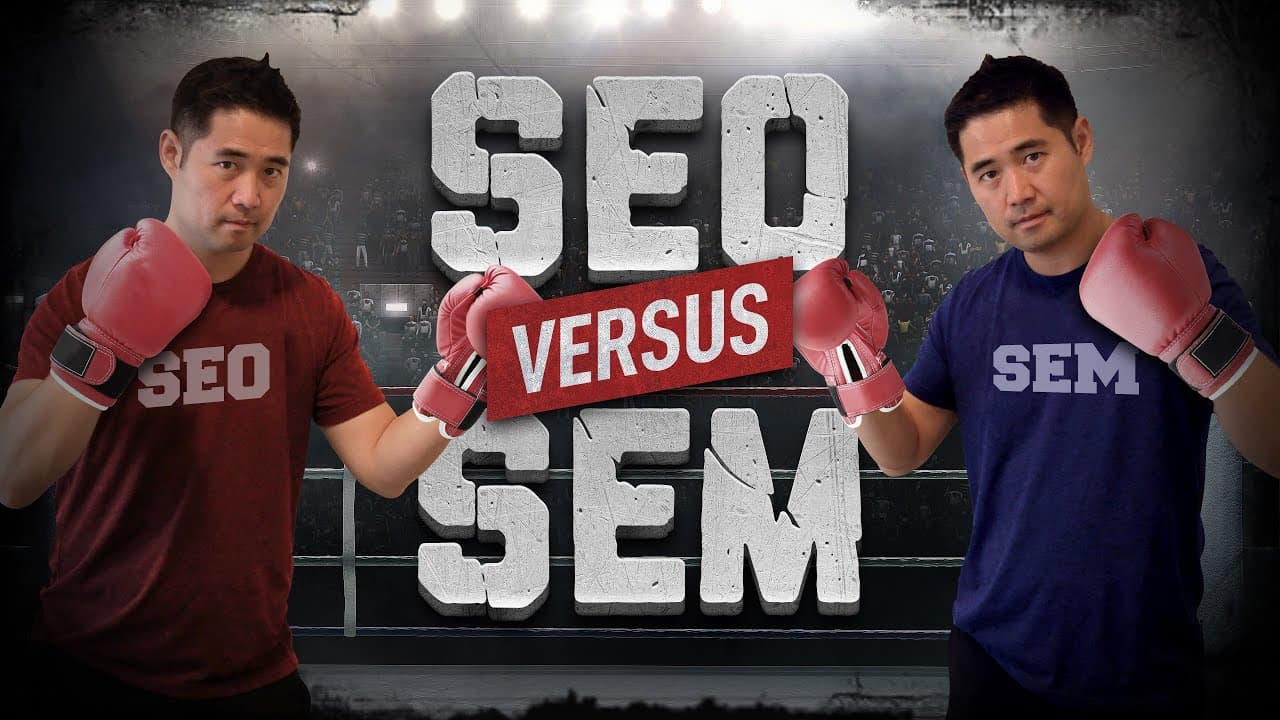
The difference between SEO and SEM is simple. SEO or Search Engine Optimization is the practice of optimizing content to be discovered through a search engine's organic results. And SEM or Search Engine Marketing, is traditionally SEO plus Pay-per-click advertising, but some people just look at it as PPC today. Now, you might be thinking that SEO ... Read More
Key Insights
- SEO focuses on optimizing content for organic search results, while SEM combines SEO with Pay-per-click advertising to maximize visibility.
- Search engines are a major traffic source, with 5 billion daily searches and driving 10 times more traffic to shopping sites than social media.
- SEO is ideal for consistent and passive traffic, but SEM can be more effective for competitive keywords and immediate results.
- PPC allows businesses to gain immediate visibility and test conversion rates, but requires careful budget management and optimization.
- Combining SEO and PPC can help businesses capture both informational and commercial search traffic, maximizing overall reach.
- Running ads for highly competitive keywords can generate revenue and provide valuable data for future SEO efforts.
- Owning multiple spots on a search results page, including ads and organic results, can significantly increase visibility and traffic.
- SEM strategies should be tailored to specific business goals, considering factors like competition, budget, and keyword intent.
Install to Summarize YouTube Videos and Get Transcripts
Explore YouTube Video Summarizer or Get YouTube Transcript Extractor
Questions & Answers
Q: What is the main difference between SEO and SEM?
The main difference between SEO and SEM lies in their approach to search engine marketing. SEO focuses on optimizing content to achieve visibility in organic search results, while SEM combines SEO with Pay-per-click advertising to enhance visibility through both organic and paid channels, maximizing overall reach.
Q: Why is SEM considered more effective for competitive keywords?
SEM is considered more effective for competitive keywords because it includes Pay-per-click (PPC) advertising, which provides immediate visibility in search results. For highly competitive keywords where organic ranking is challenging, PPC can help businesses appear at the top of search results, driving traffic and generating revenue while working on long-term SEO strategies.
Q: How do search engines drive more traffic than social media?
Search engines drive more traffic than social media because they are a primary tool for users seeking specific information, products, or services. With around 5 billion daily searches, search engines provide targeted traffic based on user intent, whereas social media traffic is often less targeted and more passive, resulting in lower conversion rates for shopping sites.
Q: What are the benefits of using PPC while working on SEO?
Using PPC while working on SEO offers several benefits: it provides immediate visibility and traffic, allowing businesses to generate revenue quickly. PPC also enables testing and optimization of conversion rates, offering insights into keyword performance. This data can inform SEO efforts, helping to prioritize keywords with high conversion potential.
Q: How can businesses use both SEO and PPC to maximize search engine marketing?
Businesses can maximize search engine marketing by combining SEO and PPC to capture both organic and paid search traffic. This approach ensures visibility across various search intents, from informational to commercial. By running PPC for competitive keywords and optimizing content for SEO, businesses can enhance reach, drive traffic, and improve conversion rates.
Q: Why is it important to own multiple spots on a search results page?
Owning multiple spots on a search results page is important because it increases visibility and the likelihood of clicks. By appearing in both paid ads and organic results, businesses can dominate the search landscape, ensuring that users encounter their brand multiple times, which can enhance credibility and drive more traffic to their website.
Q: What role does keyword intent play in SEM strategies?
Keyword intent plays a crucial role in SEM strategies as it determines the type of content and advertising approach needed. Commercial intent keywords are ideal for PPC campaigns, while informational intent keywords benefit from SEO optimization. Understanding keyword intent helps businesses tailor their SEM efforts, ensuring they meet user needs and maximize conversion potential.
Q: How should businesses approach SEM strategies based on competition and budget?
Businesses should approach SEM strategies by assessing competition and budget constraints. For highly competitive keywords, PPC can provide immediate visibility, while SEO focuses on long-term growth. Budget allocation should consider the cost-effectiveness of PPC campaigns and the potential ROI from organic traffic. Tailoring strategies to business goals, competition, and budget ensures efficient and effective SEM efforts.
Summary & Key Takeaways
-
SEO and SEM are distinct yet complementary strategies in search engine marketing. SEO focuses on optimizing content for organic results, while SEM combines SEO and PPC. Understanding when to use each can enhance visibility and traffic, especially for competitive keywords.
-
Search engines drive significant traffic, with billions of daily searches. While SEO provides consistent, free traffic, SEM can offer immediate results through PPC, especially for competitive keywords. Both strategies can be combined for maximum reach and efficiency.
-
PPC allows businesses to gain instant visibility and test conversion rates, but requires careful management. Combining SEO and PPC can capture various types of search traffic, maximizing reach. Strategies should align with business goals, competition, and budget considerations.
Read in Other Languages (beta)
Share This Summary 📚
Summarize YouTube Videos and Get Video Transcripts with 1-Click
Try YouTube Summary with ChatGPT & Claude or YouTube Transcript Generator
Explore More Summaries from Ahrefs 📚



Summarize YouTube Videos and Get Video Transcripts with 1-Click
Try YouTube Summary with ChatGPT & Claude or YouTube Transcript Generator