Kelsie Thomas Trial Day 2 - Dr Michele Catellier - Medical Examiner Part 1
TL;DR
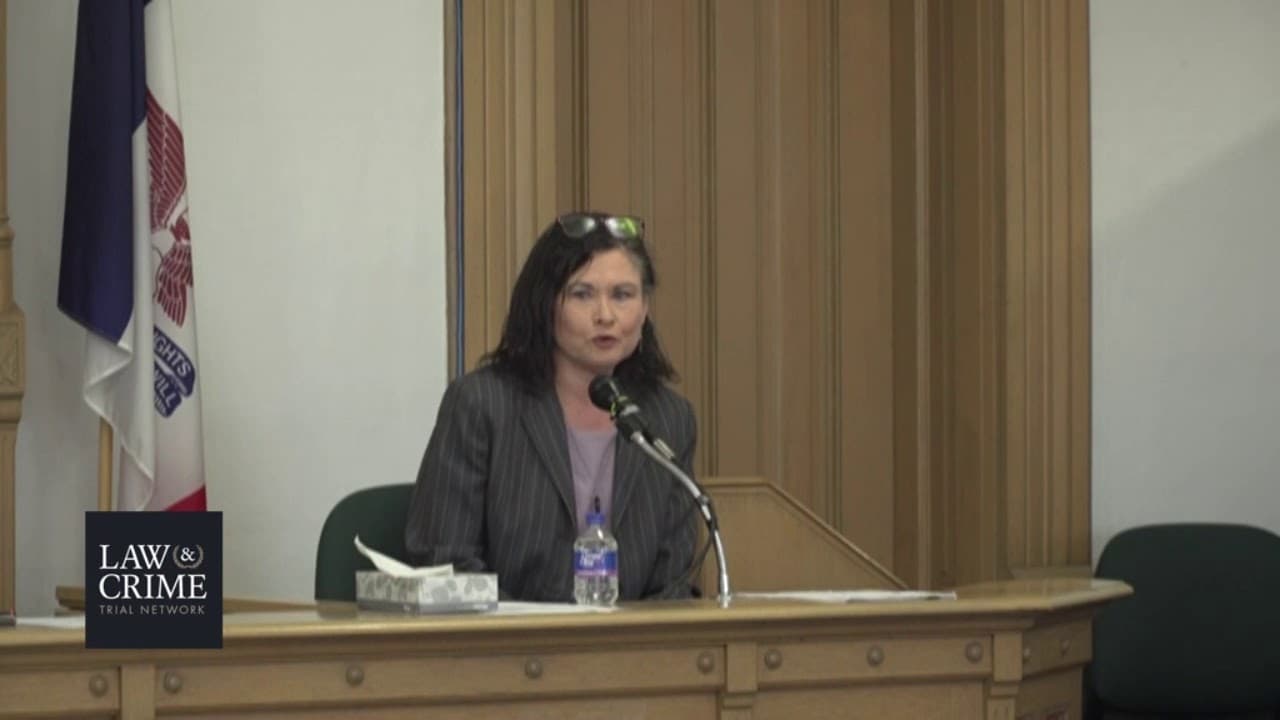
Dr. Cuddle, a forensic pathologist, explains autopsy procedures and findings for a child's death.
Transcript
thank your honor at this time the state would call dr. Michelle cuddle ear to the stand Usami thread testimony you're about to get is true go ahead morning good morning yes my name is Michele cattle ear mich e OE CA te ll i er i am a doctor a forensic pathologist at the iowa office of the state medical examiner is an associate medical examiner how ... Read More
Key Insights
- ❓ Dr. Cuddle's expertise in forensic pathology is crucial in evaluating sudden, violent deaths for legal purposes.
- ❓ The intricate autopsy process involves detailed external and internal examinations to determine causes of death accurately.
- 🦻 Understanding the physical evidence of strangulation and hanging deaths aids in forensic investigations and legal proceedings.
- 🖐️ Forensic pathologists play a critical role in providing essential evidence, identifying injuries, and interpreting circumstances of deaths.
- ❓ Rigorous training and certification are essential for forensic pathologists to ensure accurate autopsy procedures and findings.
- 😷 Collaborations with investigative agencies, medical experts, and forensic specialists enhance the thoroughness of forensic pathology examinations.
- 👪 Post-mortem examinations by forensic pathologists contribute significantly to understanding the circumstances of deaths and providing closure for families.
Install to Summarize YouTube Videos and Get Transcripts
Explore YouTube Video Summarizer or Get YouTube Transcript Extractor
Questions & Answers
Q: What is forensic pathology, and how does it differ from anatomic and clinical pathology?
Forensic pathology involves evaluating sudden, violent, or unexplained deaths for public interest, providing evidence for investigations. Anatomic pathology focuses on diagnosing diseases through tissues, while clinical pathology assesses fluids like urine or blood.
Q: How do forensic pathologists determine the cause of death in autopsies?
Forensic pathologists examine external and internal injuries, collect evidence, and review medical history to determine the cause of death. They combine laboratory information, scene investigation details, and witness accounts for accurate conclusions.
Q: What physical evidence of strangulation do forensic pathologists look for during autopsies?
Forensic pathologists look for ligature marks, hemorrhage in muscles, fractures in the hyoid bone or larynx, and damage to the cartilage of the voice box. Strangulation manifestations depend on the ligature type, force applied, and victim's age.
Q: Can you explain the sequence of events in a hanging death based on forensic pathology findings?
In hanging deaths, rapid loss of consciousness occurs due to blood flow restriction to the brain, followed by seizures, posturing, and eventual death after a few minutes. Eye fixation, muscle stiffness, and cessation of movement are key indicators.
Summary & Key Takeaways
-
Dr. Cuddle, a forensic pathologist with 13.5 years of experience, details her education and training in pathology.
-
She explains the roles of anatomic and clinical pathology, as well as forensic pathology in evaluating sudden deaths.
-
Dr. Cuddle discusses the autopsy process, including external and internal examinations, and evidence collection.
Read in Other Languages (beta)
Share This Summary 📚
Summarize YouTube Videos and Get Video Transcripts with 1-Click
Try YouTube Summary with ChatGPT & Claude or YouTube Transcript Generator
Explore More Summaries from Law&Crime Network 📚



Summarize YouTube Videos and Get Video Transcripts with 1-Click
Try YouTube Summary with ChatGPT & Claude or YouTube Transcript Generator