In Search of the Medieval Outlaw: The Tales of Robin Hood - Professor Stephen Church
TL;DR
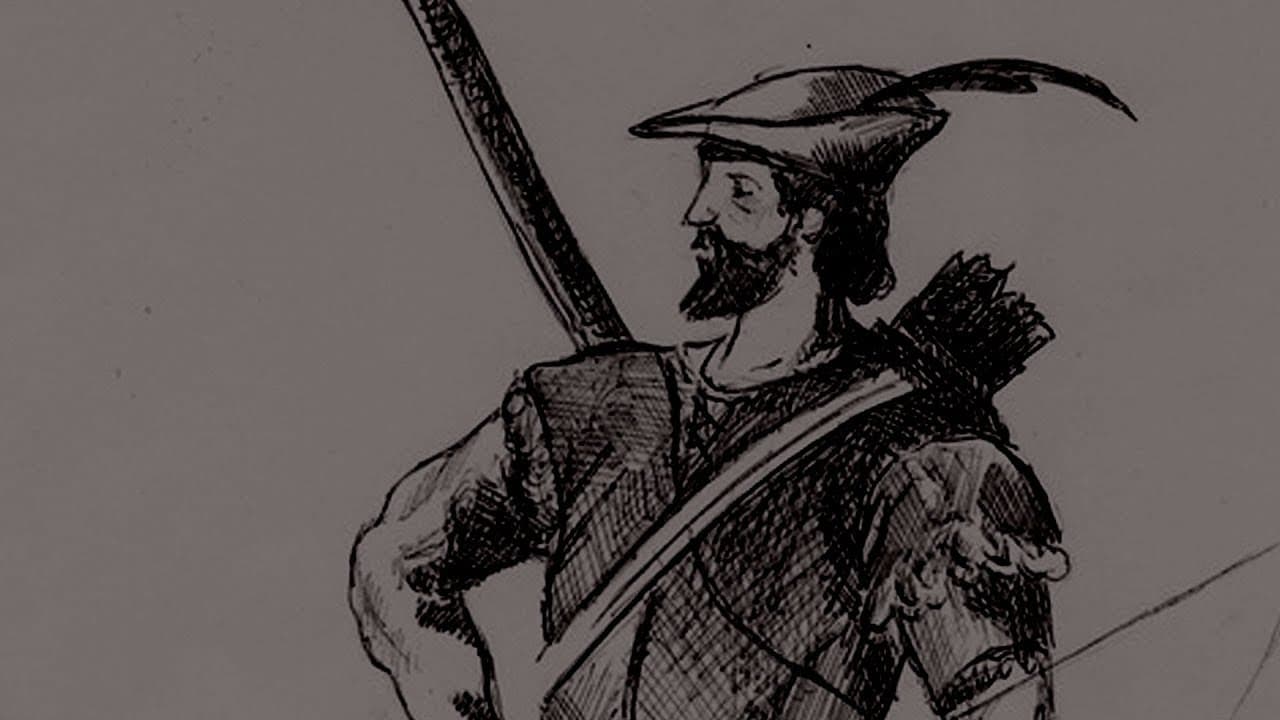
Robin Hood was a literary character that adapted to different stories and settings, serving different purposes for entertainment and societal needs.
Transcript
I would like to begin this lecture with a bold statement about Robin Hood's identity there is absolutely no evidence whatsoever that there was a physical person called Robin Hood who is the progenitor of our mythical Robin Hood neither the most diligent archivist nor the most inventive historian has been able to find him yet despite this fact Robin... Read More
Key Insights
- ⚾ Robin Hood was a character of memory and orality, not based on historical records.
- 🤑 He symbolized summer and fertility in the May Games, raising money for the church.
- 🥡 In literary texts, Robin Hood took on different roles and had various companions, adapting to different stories and purposes.
- 🥳 The Reformation impacted the portrayal and celebration of Robin Hood in the May Games.
- 👻 Robin Hood's adaptability allowed him to be a hero of the people and serve different entertainment and societal needs.
- ❓ Robin Hood's humor and ability to punish corrupt figures resonated with his audience.
- ❓ The multiple portrayals of Robin Hood reflect the imaginative and adaptable nature of the character.
Install to Summarize YouTube Videos and Get Transcripts
Explore YouTube Video Summarizer or Get YouTube Transcript Extractor
Questions & Answers
Q: Was there any evidence of the existence of a historical figure called Robin Hood?
No, there is no historical evidence for the existence of a physical person named Robin Hood. Despite this, he holds a place in the Oxford Dictionary of National Biography due to his importance in medieval popular culture.
Q: What were the May Games and how did Robin Hood become associated with them?
The May Games marked the start of summer and were celebrated in some villages of medieval England. Robin Hood was associated with these games as a hero who raised money for the church and entertained the people.
Q: How did the Reformation impact the Robin Hood May Games?
The Reformation led to changes in the religious calendar, and the traditional cycle of the year was altered or eliminated. As a result, the May Games and the celebration of summer, which Robin Hood represented, suffered.
Q: How did the portrayal of Robin Hood change in different literary texts?
Robin Hood appeared as a quest participant, a lord of misrule, a champion archer, a rescuer, and even a trickster. He could have different companions, love interests, and settings, adapting to different stories and purposes.
Summary & Key Takeaways
-
Robin Hood was a character that existed in the realm of memory and orality, rather than written record, in medieval England.
-
In the May Games, Robin Hood was a symbol of summer and fertility, raising money for the church and entertaining the ordinary people.
-
In literary texts, Robin Hood took on various roles, including as a quest participant, a champion archer, a rescuer, and sometimes even an outlaw Time Lord.
Read in Other Languages (beta)
Share This Summary 📚
Summarize YouTube Videos and Get Video Transcripts with 1-Click
Try YouTube Summary with ChatGPT & Claude or YouTube Transcript Generator
Explore More Summaries from Gresham College 📚

Summarize YouTube Videos and Get Video Transcripts with 1-Click
Try YouTube Summary with ChatGPT & Claude or YouTube Transcript Generator