Can a computer write poetry? | Oscar Schwartz
TL;DR
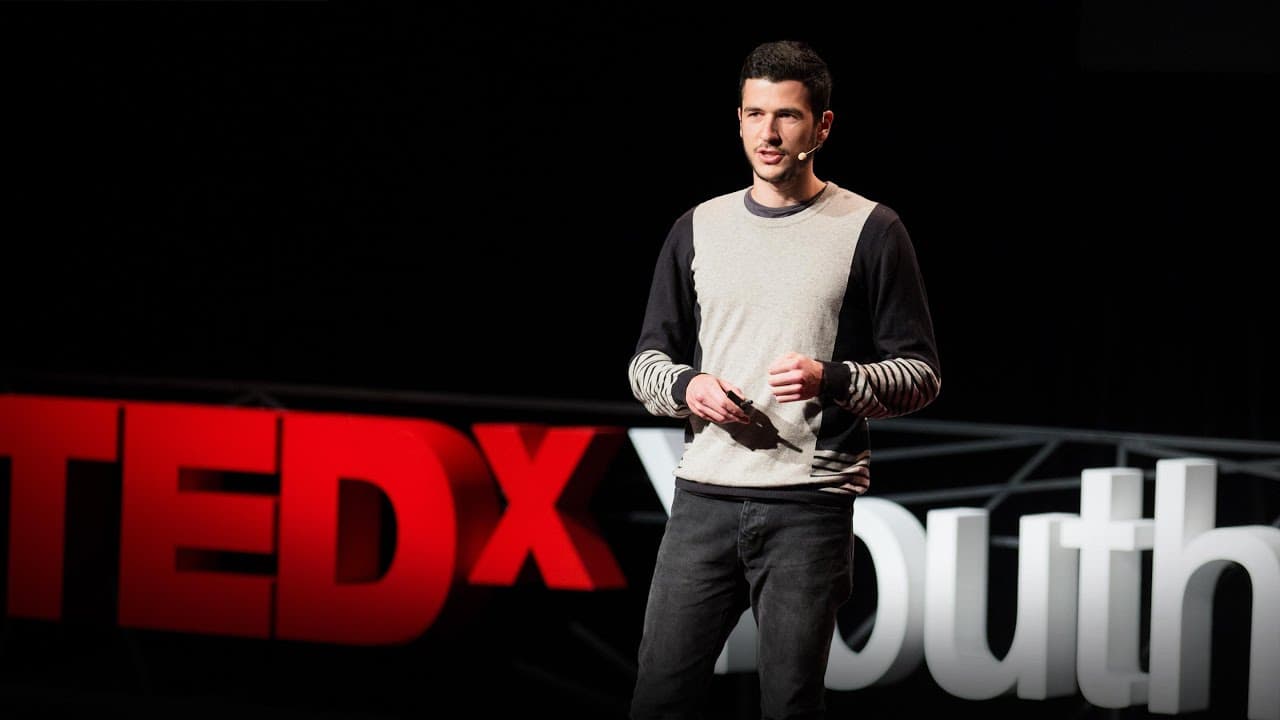
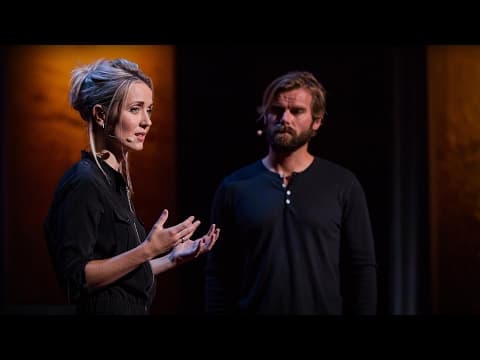
Can a computer write poetry? This TED Talk explores the blurred lines between human and computer creativity.
Transcript
Read and summarize the transcript of this video on Glasp Reader (beta).
Key Insights
- 🤔 The Turing test for poetry raises questions about what it means to be human and how we define the boundaries of humanness.
- 💡 The Turing test is not about testing the capacity of computers but collecting opinions on what constitutes humanness.
- 🧠 The category of the human is unstable and constructed through our opinions, changing over time.
- 🖥️ Computers act as mirrors, reflecting back the idea of the human that we teach them through the input of various texts and language.
- 🤖 The conversation around artificial intelligence often revolves around building a human-like computer, but the concept of the human is ever-changing and not a scientific fact.
- 🌟 The question shouldn't just be "Can we build it?" but also "What idea of the human do we want to have reflected back to us?"
- 📚 This philosophical idea requires a moment of species-wide, existential reflection rather than a purely technological answer.
- 💭 Exploring the relationship between technology and humanity raises thought-provoking insights regarding creativity, intelligence, and the nature of being human.
Install to Summarize YouTube Videos and Get Transcripts
Explore YouTube Video Summarizer or Get YouTube Transcript Extractor
Questions & Answers
Q: Can a computer write poetry?
Yes, according to the results of the Turing test for poetry, where participants had to guess if a poem was written by a human or a computer, poems generated by algorithms have fooled 65 percent of human readers into thinking they were written by a human.
Q: How did the Turing test for poetry work?
The Turing test for poetry involved presenting participants with poems and asking them to guess whether the poems were written by a human or a computer. It aimed to test the ability of a computer to produce poetry that could pass as human-written.
Q: What insights did the Turing test for poetry provide?
The Turing test for poetry revealed that our association of poetry with being human raises questions about the boundaries of what it means to be human. It also showed that opinions about what constitutes humanness vary and that the category of the human is unstable and constructed based on our perceptions.
Q: What does the author mean when they say the computer is a mirror?
The author suggests that a computer reflects any idea of the human that we teach it. Just like a mirror reflects our image, the computer reflects our concept of the human back to us. When given different human-written texts, the computer can generate poetry that mirrors the style and language of those texts.
Q: How should we approach artificial intelligence and the idea of building human-like computers?
Instead of solely focusing on building an intelligent or creative computer, we should also consider what idea of the human we want to have reflected back to us. The concept of the human is ever-changing and not a fixed scientific fact, so we should engage in philosophical reflection about the kind of human-like qualities we want in AI systems.
Summary & Key Takeaways
-
Computers are capable of writing poetry that can fool human readers into thinking it was written by a human.
-
The category of "human" is constructed and unstable, and the definition of what it means to be human changes over time.
-
When grappling with artificial intelligence, we should consider the idea of the human that we want to have reflected back to us by computers. This requires philosophical reflection rather than a simple yes or no answer.
Read in Other Languages (beta)
Share This Summary 📚
Summarize YouTube Videos and Get Video Transcripts with 1-Click
Try YouTube Summary with ChatGPT & Claude or YouTube Transcript Generator
Explore More Summaries from TED 📚

Summarize YouTube Videos and Get Video Transcripts with 1-Click
Try YouTube Summary with ChatGPT & Claude or YouTube Transcript Generator