How to Navigate a Remote Campsite in Pennsylvania
TL;DR
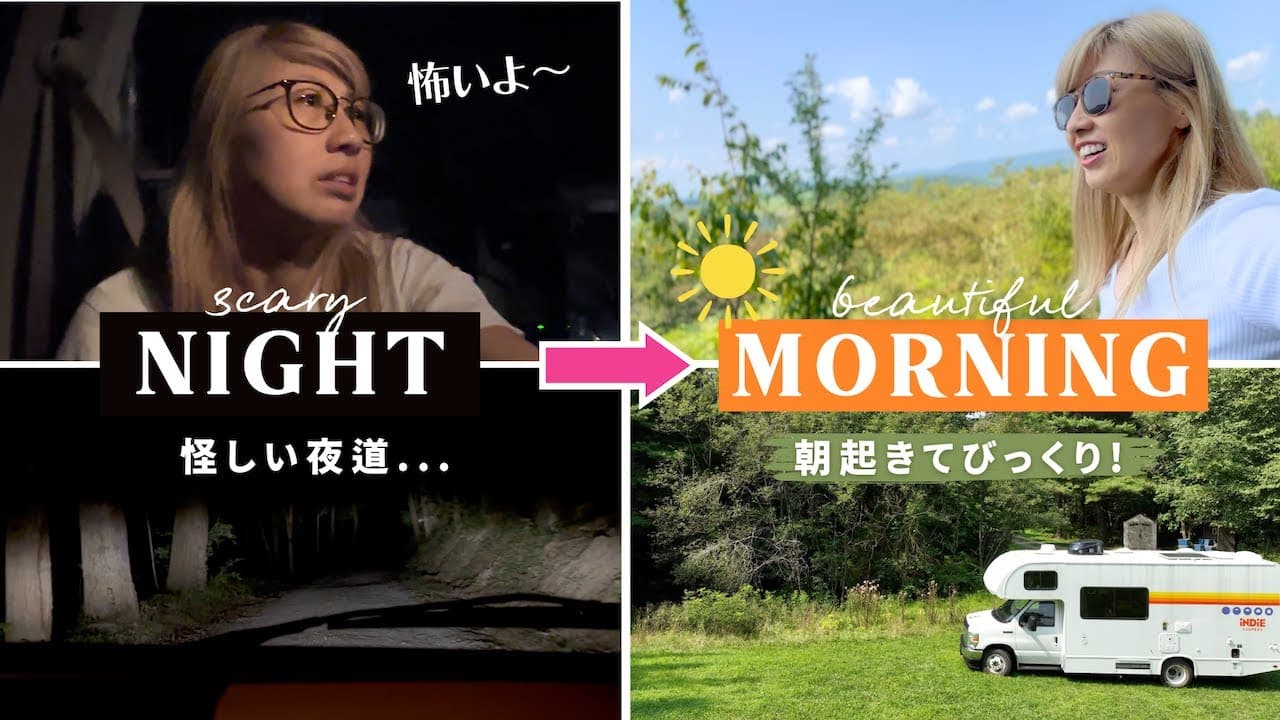
Driving to a remote campsite in Pennsylvania can be challenging due to unreliable GPS directions. Using a platform like Hip Camp, travelers can book private campsites and enjoy the tranquility of nature. The journey can be daunting, especially at night, but the morning reveals a breathtaking view that makes the adventure worthwhile.
Transcript
our US road trip. After an exciting day at Niagara Falls, we drove 4 hours south into Pennsylvania where we had booked a private campsite listed on a platform called Hip Camp. And what a scary drive it was getting there. Big. So big foot. You don't know. What? But I thought you Why? your Oh god. It says on the hip camp site, "Please read the host's... Read More
Key Insights
- Hip Camp is a platform similar to Airbnb, but for camping on private properties.
- Driving to remote campsites can be challenging due to inaccurate GPS directions.
- Nighttime arrivals at campsites can be daunting but offer a unique experience.
- The morning view at remote campsites can reveal stunning natural beauty.
- Campsites booked through Hip Camp offer privacy and a personal experience.
- Travelers should be prepared for gravel and unstable roads when reaching secluded campsites.
- Exploring trails near campsites can lead to unexpected natural sights like waterfalls.
- The experience of camping in remote areas contrasts sharply with tourist-heavy locations like Niagara Falls.
Install to Summarize YouTube Videos and Get Transcripts
Explore YouTube Video Summarizer or Get YouTube Transcript Extractor
Questions & Answers
Q: How to find remote campsites using Hip Camp?
Hip Camp is a platform that allows users to book private campsites on other people's properties, similar to Airbnb. Users can search for campsites based on location, amenities, and reviews. It's essential to read host-provided directions carefully, as GPS services may not always be accurate in remote areas.
Q: What challenges might you face driving to a remote campsite?
Driving to a remote campsite can be challenging due to inaccurate GPS directions, especially at night. Travelers may encounter gravel and unstable roads, requiring caution and patience. It's crucial to follow host-provided directions and be prepared for limited visibility and unfamiliar terrain.
Q: Why is arriving at a campsite at night daunting?
Arriving at a campsite at night can be daunting due to limited visibility and unfamiliar surroundings. Navigating gravel roads and following directions without daylight can be challenging, increasing the risk of getting lost. However, it also offers a unique experience of exploring and discovering the site in the morning.
Q: What is the benefit of using Hip Camp for camping?
Hip Camp provides the benefit of booking private campsites, offering a more personal and secluded camping experience compared to traditional campsites. It allows campers to enjoy nature on private properties, often with fewer crowds and more tranquility, making it ideal for those seeking privacy and a unique adventure.
Q: How does camping in remote areas differ from tourist spots?
Camping in remote areas offers a more serene and personal experience compared to crowded tourist spots. It allows for a deeper connection with nature, often with fewer people and more tranquility. Remote camping provides opportunities to explore hidden trails and natural sights, contrasting with the hustle and bustle of popular destinations.
Q: What can you expect to see in the morning at a remote campsite?
In the morning at a remote campsite, you can expect to see stunning natural beauty, such as breathtaking landscapes, vibrant wildlife, and clear skies. The morning light reveals the full splendor of the surroundings, offering a peaceful and picturesque view that contrasts with the nighttime arrival.
Q: What are some key considerations when navigating to a remote campsite?
When navigating to a remote campsite, it's important to follow host-provided directions closely, as GPS services may be unreliable. Be prepared for gravel roads and limited visibility, especially at night. Ensure your vehicle is suitable for rough terrain and carry necessary supplies for safety and comfort.
Q: What unique experiences does remote camping offer?
Remote camping offers unique experiences such as solitude, a deep connection with nature, and the opportunity to explore less-traveled trails. It provides a chance to disconnect from the hustle of daily life and immerse oneself in the tranquility of natural surroundings, often revealing hidden gems like waterfalls and starry skies.
Summary & Key Takeaways
-
The journey to a remote campsite in Pennsylvania using Hip Camp was both challenging and rewarding. Despite the difficulties of navigating gravel roads at night, the morning revealed a stunning view, making the adventure worthwhile. Hip Camp allows campers to enjoy privacy on private properties, offering a contrast to crowded tourist spots.
-
Arriving at the campsite was daunting due to unreliable GPS directions, emphasizing the importance of following host-provided instructions. The campsite offered a serene environment with beautiful starry skies and the sounds of nature, providing a peaceful retreat from city life.
-
Exploring the area revealed hidden trails and natural beauty, such as waterfalls, enhancing the camping experience. The trip highlighted the contrast between remote camping and popular tourist destinations, showcasing the unique charm of secluded nature spots.
Read in Other Languages (beta)
Share This Summary 📚
Summarize YouTube Videos and Get Video Transcripts with 1-Click
Try YouTube Summary with ChatGPT & Claude or YouTube Transcript Generator
Explore More Summaries from バイリンガール英会話 | Bilingirl Chika 📚






Summarize YouTube Videos and Get Video Transcripts with 1-Click
Try YouTube Summary with ChatGPT & Claude or YouTube Transcript Generator