How To Market Your Brand To Gen Z in 2022 (#56)
TL;DR
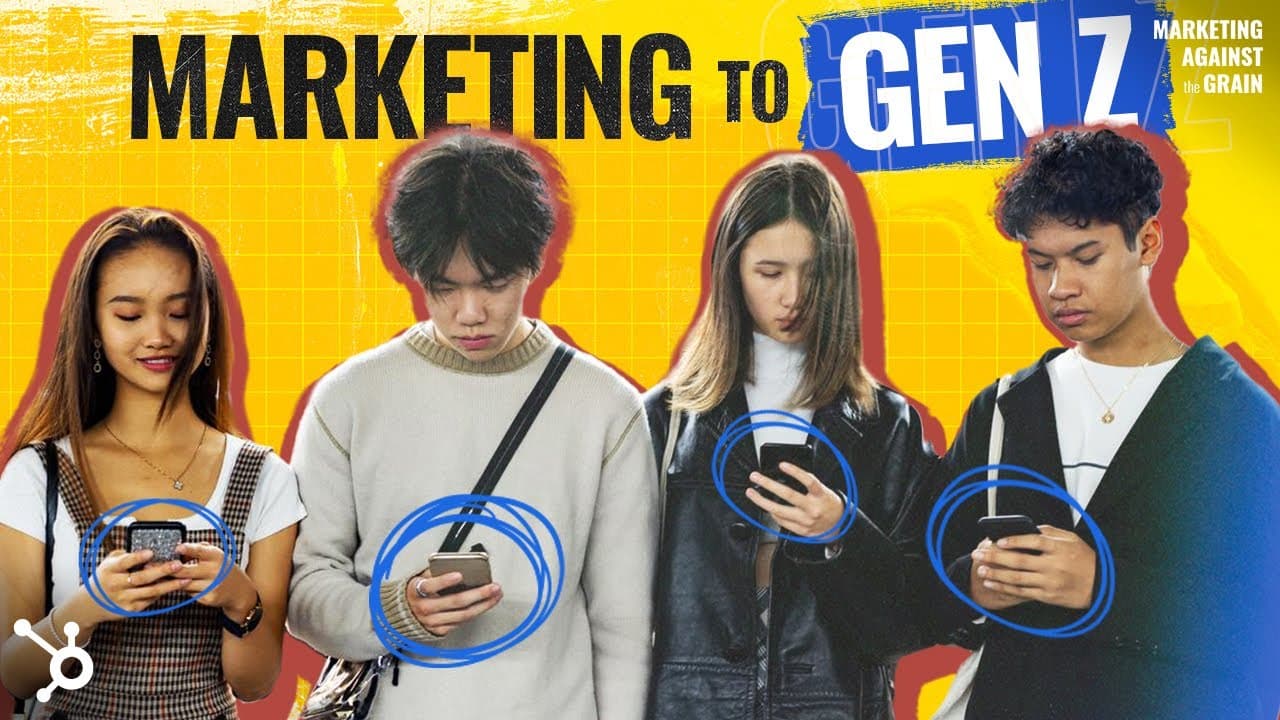
Understanding Gen Z and Millennials' brand preferences and trust dynamics.
Transcript
I don't know if I've ever told you the story but I want to tell analysts if you listen to the show I love you analysts please do not uh take this as well anytime you have to do a prefix it's not good it's not good hey hey welcome to another episode of marketing against the Green your podcast for how to grow in counter-intuitive ways I am your co-ho... Read More
Key Insights
- Gen Z values user-generated content and peer trust over traditional media, with YouTube being their top brand.
- Trust in institutions is eroding; Gen Z and Millennials prefer influencers and peers over brands and traditional news.
- Earning an audience is crucial; money alone can't buy attention, but authentic stories and cultural stances can.
- Product-Led Growth (PLG) is essential as younger generations prefer experiencing products before purchasing.
- Analysts' influence is waning; Millennials and Gen Z trust peer reviews and personal experiences more.
- Customer experience is key; removing friction from interactions can significantly enhance brand equity.
- Storytelling and strong characters are vital for brands to create emotional connections and build loyalty.
- Social media platforms like TikTok and YouTube are increasingly important for brand discovery and engagement.
Install to Summarize YouTube Videos and Get Transcripts
Explore YouTube Video Summarizer or Get YouTube Transcript Extractor
Questions & Answers
Q: Why is YouTube the top brand for Gen Z?
YouTube is the top brand for Gen Z because it embodies the shift towards user-generated content and peer trust. It democratizes content creation, allowing individuals to share videos and build audiences, aligning with Gen Z's preference for internet-first and peer-driven content consumption.
Q: How is trust in institutions changing for Gen Z and Millennials?
Trust in institutions is eroding for Gen Z and Millennials, who prefer peer and influencer opinions over traditional media and brands. This shift necessitates brands to invest in influencer marketing, customer reviews, and authentic storytelling to build trust and engage these generations effectively.
Q: What role does Product-Led Growth play in attracting younger generations?
Product-Led Growth (PLG) is crucial for attracting younger generations as it allows them to experience products before purchasing. This approach aligns with their preference for self-directed learning and decision-making, enhancing trust and engagement by providing tangible value upfront.
Q: Why are analysts' roles diminishing in influencing Millennials and Gen Z?
Analysts' roles are diminishing because Millennials and Gen Z prefer peer reviews and personal experiences over traditional analyst reports. As software becomes more accessible and affordable, these generations rely on firsthand experiences and trusted peer recommendations to guide their purchasing decisions.
Q: How can brands build trust with younger generations?
Brands can build trust with younger generations by focusing on authentic storytelling, influencer partnerships, and customer advocacy. Providing seamless, frictionless experiences and allowing users to try products before buying also enhances trust and fosters long-term brand loyalty among Gen Z and Millennials.
Q: What is the importance of storytelling and characters for brands?
Storytelling and characters are vital for brands as they create emotional connections and foster loyalty. By developing relatable characters and compelling narratives, brands can engage audiences more deeply, making their products and services more memorable and appealing to younger consumers.
Q: How are social media platforms impacting brand discovery?
Social media platforms like TikTok and YouTube are increasingly important for brand discovery, especially among younger generations. These platforms facilitate organic, peer-driven content sharing, allowing brands to reach and engage audiences more effectively through authentic and relatable content.
Q: What strategies should brands adopt to engage Gen Z and Millennials?
Brands should focus on authentic storytelling, influencer marketing, and seamless customer experiences to engage Gen Z and Millennials. Emphasizing user-generated content, providing product trials, and leveraging social media for discovery and engagement are also crucial strategies for appealing to these generations.
Summary & Key Takeaways
-
The podcast explores how Gen Z and Millennials are reshaping brand interactions, emphasizing user-generated content and peer trust. YouTube leads as Gen Z's favorite brand, highlighting the shift towards internet-first content consumption and peer influence.
-
Erosion of trust in institutions impacts brand strategies, with a focus on influencer marketing and customer reviews. Earning audience trust through authentic stories and experiences is more crucial than ever for building a durable brand.
-
Product-Led Growth is pivotal for attracting younger generations, who prefer trying products before buying. Analysts' traditional roles are diminishing, as Millennials and Gen Z rely more on peer reviews and personal experiences.
Read in Other Languages (beta)
Share This Summary 📚
Summarize YouTube Videos and Get Video Transcripts with 1-Click
Try YouTube Summary with ChatGPT & Claude or YouTube Transcript Generator
Explore More Summaries from Marketing Against the Grain 📚






Summarize YouTube Videos and Get Video Transcripts with 1-Click
Try YouTube Summary with ChatGPT & Claude or YouTube Transcript Generator