Parasites Are Good, Actually
TL;DR
Climate change is causing a decrease in overall parasite populations, which could have detrimental effects on ecosystems.
Transcript
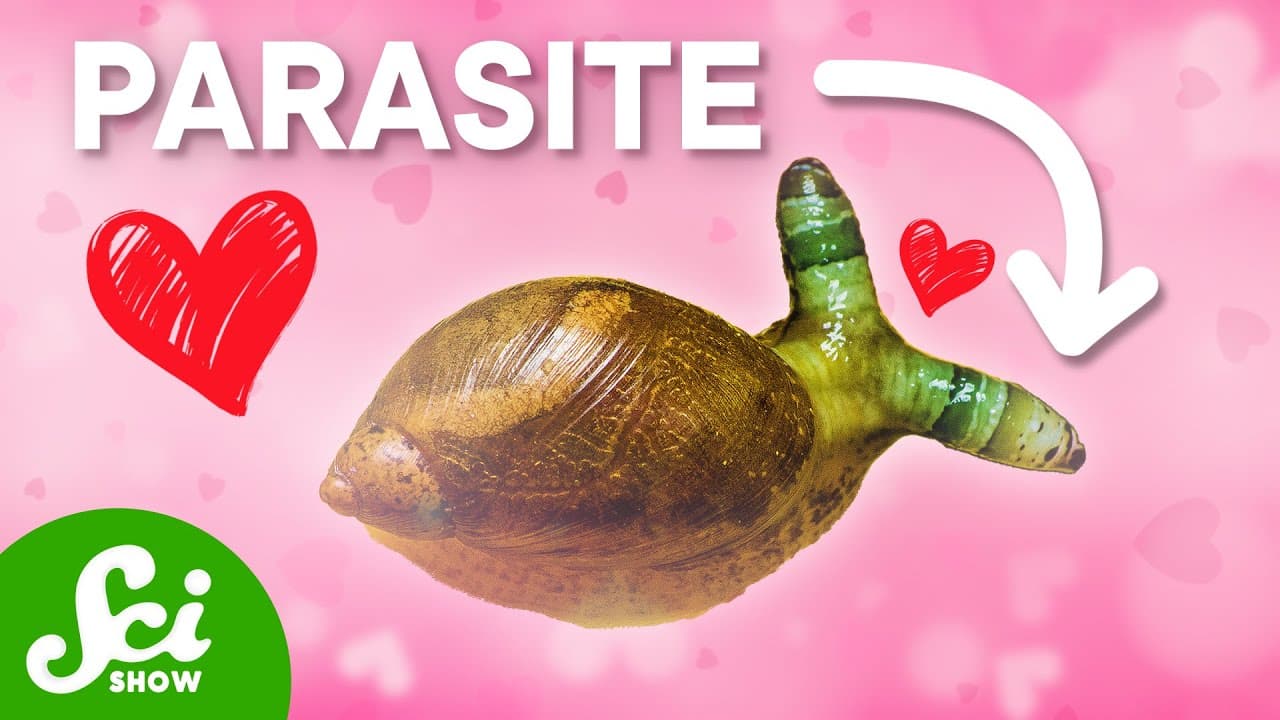
This SciShow video is supported by Linode! Go to linode.com/scishow for a $100 60-day credit on a new Linode account. Listen, most people are not huge fans of parasites. Whether it’s the tongue-replacing kind, the live-in-your-gut-and-eat-your-food kind, or really, any of them, they tend to inspire the heebie-jeebies. And more often than not, the... Read More
Key Insights
- 🛟 Parasitism is a widespread life strategy across various organisms, making it one of the most abundant and diverse forms of life on Earth.
- ⚖️ Parasites have important roles in balancing ecosystems and promoting diversity.
- 🧑🏭 Climate change and other factors are causing a decline in parasite populations, which can have negative impacts on ecosystem stability.
- 👻 Parasites with complex host relationships are most vulnerable to declines in population.
- 🥺 The decline in parasite populations can lead to imbalances, increased dominance of certain species, and potential species extinctions.
- 🖤 Lack of long-term data on parasite population trends hinders efforts to conserve and protect them.
- 👨🔬 Researchers are developing a global conservation plan for parasites to guide efforts in education, research, and legal protections.
Install to Summarize YouTube Videos and Get Transcripts
Explore YouTube Video Summarizer or Get YouTube Transcript Extractor
Questions & Answers
Q: Why are parasites considered beneficial to ecosystems?
Parasites help prevent any one species from becoming too dominant, keeping ecosystems balanced. They also promote speciation and diversity through selective pressure.
Q: How do parasites contribute to the spread of invasive species?
Parasites in native ecosystems can control the growth of invasive species. When invasive species escape their natural parasites, they can grow larger and spread more aggressively.
Q: Why is the decline in parasite populations concerning?
The decline in parasite populations can have cascading effects on ecosystems, leading to imbalances, increased dominance of certain species, and potential species extinctions.
Q: What are the factors contributing to the decrease in parasite populations?
Climate change, rising sea surface temperatures, and other unidentified factors are causing a decline in parasite populations, particularly those with complex host relationships.
Summary & Key Takeaways
-
Parasitism is a common strategy across a wide range of organisms, where parasites live in or on a host and obtain nutrients at the host's expense.
-
Parasites play important roles in keeping ecosystems balanced by preventing the dominance of certain species and promoting speciation and diversity.
-
Climate change and other factors are causing a decline in parasite populations, particularly those with complex and specific host relationships.
Read in Other Languages (beta)
Share This Summary 📚
Summarize YouTube Videos and Get Video Transcripts with 1-Click
Try YouTube Summary with ChatGPT & Claude or YouTube Transcript Generator
Explore More Summaries from SciShow 📚

Summarize YouTube Videos and Get Video Transcripts with 1-Click
Try YouTube Summary with ChatGPT & Claude or YouTube Transcript Generator