100-Year-Old Home Renovations as Rookies Using the "PRR" Method
TL;DR
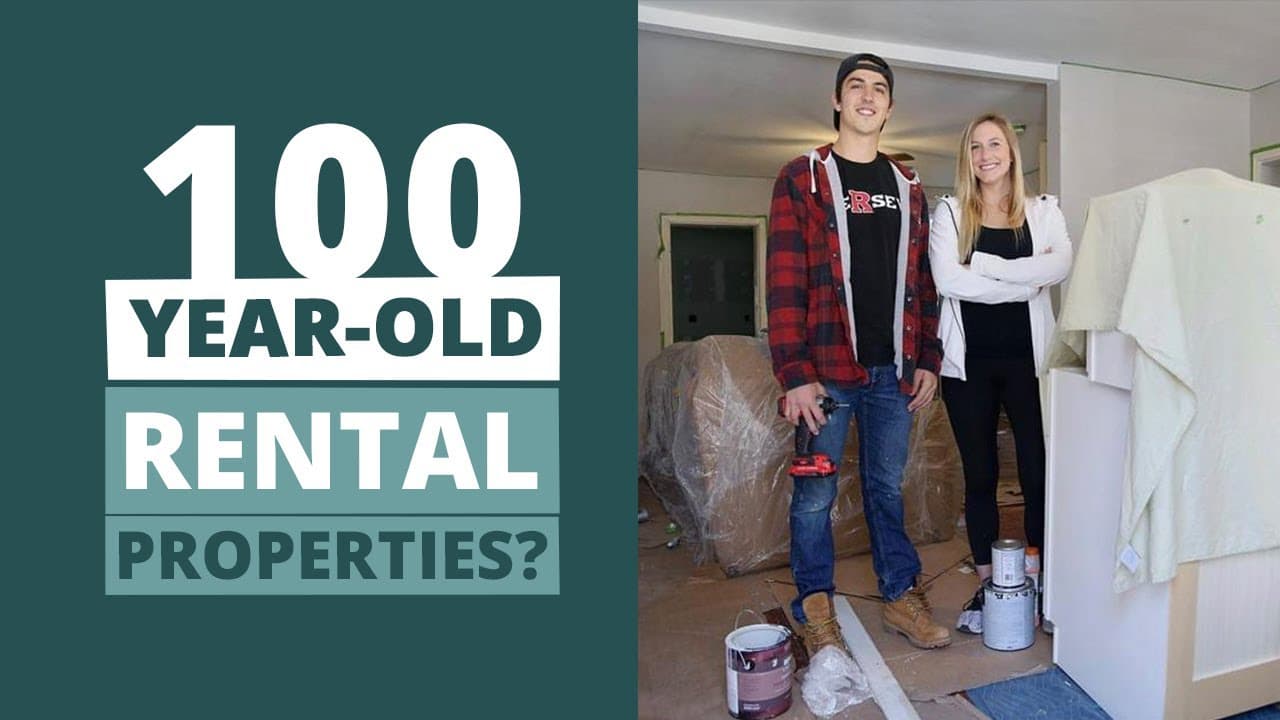
Amy and Mitch use the PRR method to restore historic homes.
Transcript
this is real estate rookie episode 235. I think we strategically try and price our rentals a little bit higher this isn't just like a super cheap rental you can move into and mess it up and we're also extremely transparent when people are touring the houses like look we actively live here right now we've spent an entire year every single night ever... Read More
Key Insights
- Amy and Mitch utilize the PRR method: Purchase as a primary residence, Rehab, and Rent, focusing on historic homes.
- They began their real estate journey with an FHA loan, allowing them to buy with minimal down payment and seller's assist.
- Their strategy involves restoring homes to preserve historical character rather than simply flipping them.
- They self-perform the majority of renovations, relying on family and YouTube for guidance, while outsourcing specialized tasks.
- Tenant screening involves a thorough process, including background checks and in-person interviews to ensure tenants appreciate the home's history.
- They emphasize the importance of understanding seller motivations to negotiate favorable purchase terms.
- Their business structure alternates property ownership to balance debt-to-income ratios and they plan to establish an LLC.
- They manage properties themselves but are considering property management software to streamline operations.
Install to Summarize YouTube Videos and Get Transcripts
Explore YouTube Video Summarizer or Get YouTube Transcript Extractor
Questions & Answers
Q: What is the PRR method?
The PRR method stands for Purchase as a primary residence, Rehab, and Rent. Amy and Mitch use this strategy to buy homes with low down payments, renovate them while living in them, and then rent them out. This approach allows them to finance properties affordably and gradually build their real estate portfolio.
Q: How do Amy and Mitch finance their home purchases?
Amy and Mitch started with an FHA loan, which requires a low down payment and allows for seller's assist to cover closing costs. This financing method was essential when they had limited funds. They also alternate property ownership to manage their debt-to-income ratios and plan to form an LLC for future purchases.
Q: Why do they focus on historic homes?
They focus on historic homes because they value the character and history these properties offer. Instead of flipping, they consider themselves restorers, aiming to preserve the original features and charm. This niche strategy helps them differentiate in the market and attract tenants who appreciate historical details.
Q: How do they manage tenant relationships?
Amy and Mitch manage tenant relationships by conducting thorough screenings, including background checks and personal interviews. They emphasize transparency, sharing the effort put into renovations, and seek tenants who will respect and care for the property. They handle management themselves but are exploring software solutions for efficiency.
Q: What challenges have they faced with renovations?
They've encountered unexpected structural issues, like uneven floors and outdated wiring, which required more extensive repairs than anticipated. They overcame these challenges by learning on the job, leveraging family expertise, and using online resources. They outsource tasks like electrical work to professionals to ensure safety and compliance.
Q: How do they determine which homes to purchase?
Their selection criteria include avoiding properties with major foundation issues and ensuring homes have central air, as adding ductwork is costly. They use thorough inspections to assess potential problems and rely on their real estate agent to find properties that meet their criteria and offer value-add opportunities.
Q: What role does their real estate agent play?
Their real estate agent is crucial in finding suitable properties and negotiating favorable terms. The agent understands their strategy and helps identify homes with potential. The agent also assists in negotiations, such as securing seller's assist and addressing inspection issues, ensuring the deals align with their investment goals.
Q: What are their future goals in real estate?
Their future goals include maintaining their pace of acquiring one property per year and eventually accelerating their acquisition rate as their rental income grows. They aim to scale their portfolio, potentially allowing one of them to leave their W-2 job and focus full-time on real estate investing and property management.
Summary & Key Takeaways
-
Amy and Mitch started investing in real estate using the PRR method, focusing on restoring historic homes in Philadelphia. They began with an FHA loan, which required a low down payment and allowed them to buy their first property with minimal upfront costs.
-
Their strategy emphasizes maintaining the historical character of the homes they purchase. They perform most of the renovations themselves, learning from family and online resources, and only outsourcing specialized tasks like electrical work.
-
Tenant selection is crucial for them, ensuring tenants appreciate the home's history and will care for it. They manage properties themselves but are considering using property management software to streamline processes as they expand their portfolio.
Read in Other Languages (beta)
Share This Summary 📚
Summarize YouTube Videos and Get Video Transcripts with 1-Click
Try YouTube Summary with ChatGPT & Claude or YouTube Transcript Generator
Explore More Summaries from Real Estate Rookie 📚






Summarize YouTube Videos and Get Video Transcripts with 1-Click
Try YouTube Summary with ChatGPT & Claude or YouTube Transcript Generator