On Disliking Oneself
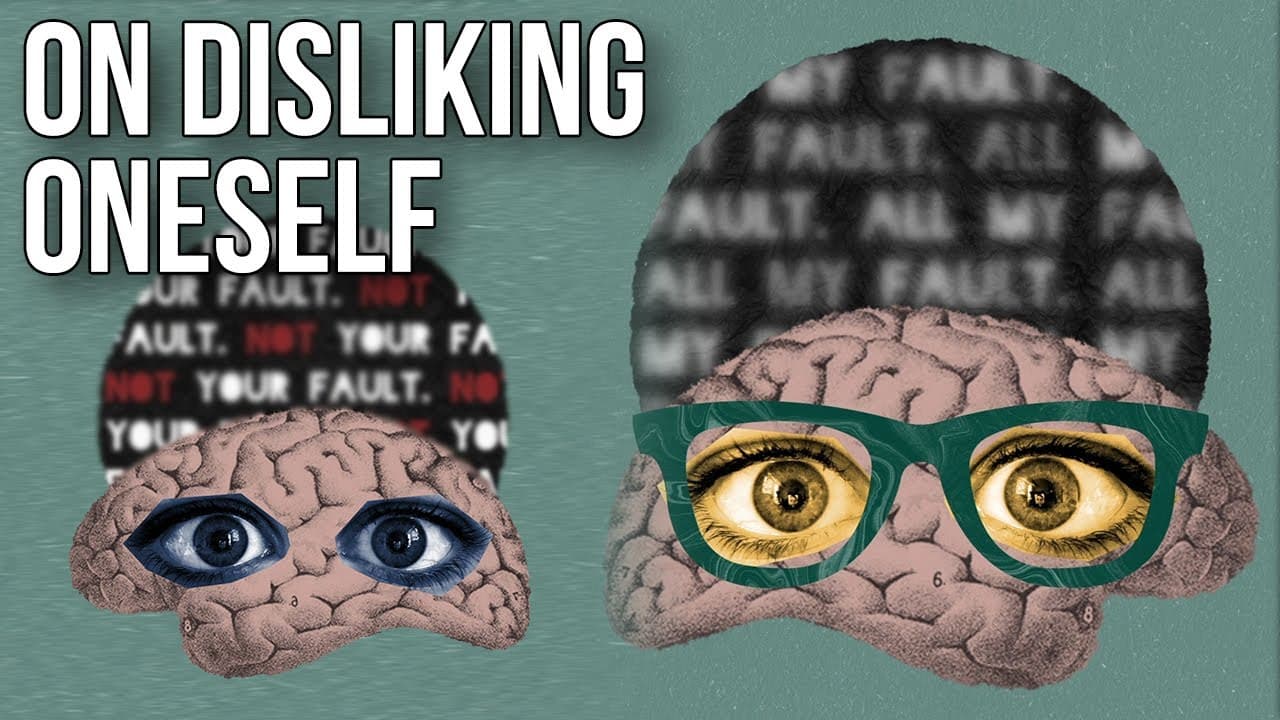
TL;DR
Many suffer from self-hatred due to negative early experiences, impacting their emotional well-being.
Transcript
there is one particularly salient question we should ask in order to measure our levels of emotional well-being do you broadly feel that you have the right to exist and are on balance a good enough human being oh whatever your outward circumstances and achievements do you generally feel you're a piece of excrement who's only got through life by del... Read More
Key Insights
- 🤳 Many individuals suffer from self-hatred, often without realizing it, stemming from negative childhood experiences.
- 🥺 Compliments and positive feedback are typically met with skepticism from those who struggle with self-worth, leading to a cycle of disbelief.
- 🥺 Self-loathing can lead to destructive behaviors, including sabotaging personal success and negative projections onto others.
- 🤳 Healing from self-hatred involves revisiting early relational experiences and understanding their impact on current self-perception.
- ❎ Individuals often internalize the negative narratives imposed by caregivers, mistaking these as truths about their worth.
- 🤳 Developing self-compassion requires practice and redirecting the focus on self-love rather than self-criticism.
- 💭 Therapy and introspection can aid in recognizing and reframing harmful thought patterns tied to self-hatred.
Install to Summarize YouTube Videos and Get Transcripts
Explore YouTube Video Summarizer or Get YouTube Transcript Extractor
Questions & Answers
Q: What role does childhood play in developing self-hatred?
Childhood experiences significantly shape one’s self-perception. Negative interactions with caregivers can instill feelings of inadequacy, leading individuals to internalize self-loathing. The absence of love and validation during formative years creates a narrative where one feels unworthy, ultimately influencing how they view themselves in adulthood. Understanding this connection is crucial for healing.
Q: How can self-hatred manifest in daily life?
Individuals with self-hatred often doubt their accomplishments, struggle to accept compliments, and may sabotage relationships or career opportunities. They may also feel paranoid in social situations, fearing exposure of their perceived flaws. Such behaviors stem from a deep-seated belief that they are not deserving of love or success, impacting their overall well-being.
Q: What can individuals do to combat self-hatred?
Acknowledging and confronting self-hatred starts with exploring one’s personal history and emotional experiences. Seeking therapy can provide a safe space to uncover traumatic experiences and reframe negative beliefs about oneself. Practicing self-compassion and recognizing that feelings of unworthiness are often linked to past neglect can help individuals cultivate a healthier self-view.
Q: Why is it difficult to recognize self-hatred in ourselves?
Self-hatred can be so ingrained that it becomes a default mindset, making it hard to see objectively. People may not identify as self-haters, instead justifying their negative self-talk as realism. Developing awareness requires conscious effort to contrast their inner dialogue with external realities, which can be a challenging yet necessary step for personal growth.
Summary & Key Takeaways
-
The content discusses how self-hatred is a common experience, often stemming from unmet emotional needs and negative perceptions formed during childhood.
-
It highlights the damaging effects of self-loathing, manifesting in skepticism towards compliments, relationships, and personal achievements, leading individuals to sabotage their successes.
-
To overcome self-hatred, individuals need to re-evaluate their self-perception, recognizing that their feelings of worthlessness are shaped by early relationships rather than inherent flaws.
Read in Other Languages (beta)
Share This Summary 📚
Summarize YouTube Videos and Get Video Transcripts with 1-Click
Try YouTube Summary with ChatGPT & Claude or YouTube Transcript Generator