The Forgotten Women of the German Reunification | Emma Gu | TEDxYouth@WCIS
TL;DR
Women faced financial and social setbacks post-German reunification, highlighting the stark disparities in opportunity.
Transcript
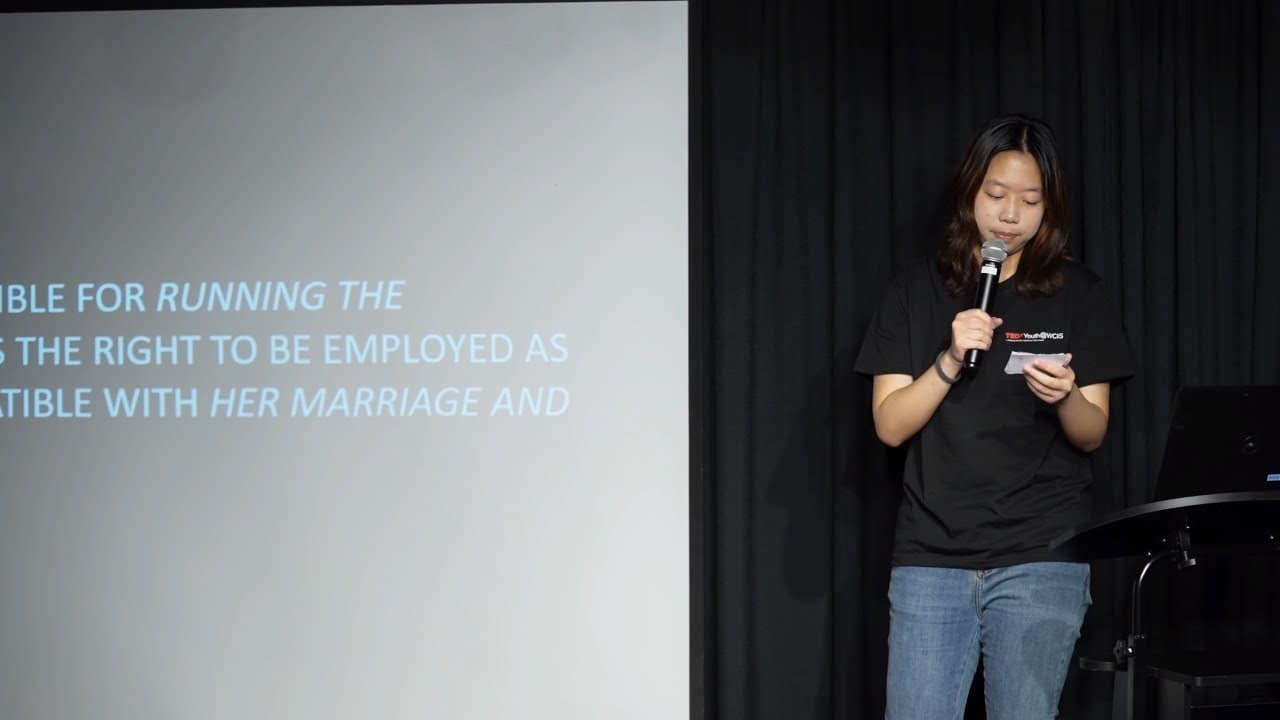
[Applause] thank you Brayden wow nearly three decades after the fall of the Berlin Wall marget wolf from the former East Germany lives on the edge of poverty a career woman who studied business and worked in a firm from the 70s to the '90s wol found herself stuck in a series of low-paying mini jobs after reunification her pension already diminished... Read More
Key Insights
- 🗯️ East and West German policies on women's rights post-reunification varied significantly, impacting employment and financial stability.
- 👳♀️ The ban on abortion and restrictions on social benefits in West Germany hindered women's choices and autonomy.
- 🙂 The legacy of poverty and discrimination persists among women post-reunification, shedding light on the enduring disparities.
- 🥺 The financial impact of reunification disproportionately affected women, leading to job loss and financial instability.
- 🧔♀️ The transition to West German norms post-reunification had detrimental effects on women's employment opportunities and financial well-being.
- 🥺 Policies following reunification exacerbated financial challenges for working mothers, leading to compromised careers and financial independence.
- 🕵️♀️ The disparities in women's employment rates post-reunification underscore the lasting effects of the transition on female economic empowerment.
Install to Summarize YouTube Videos and Get Transcripts
Explore YouTube Video Summarizer or Get YouTube Transcript Extractor
Questions & Answers
Q: How did the German reunification impact the financial stability of women like Margret Wolf?
The German reunification led to the loss of financial security for women like Margret Wolf, who faced low-paying jobs and insufficient pensions, showcasing the economic disparities post-reunification.
Q: What were the contrasting policies regarding women's rights in East and West Germany during the reunification?
East Germany promoted gender equality and supported working mothers, while West Germany had regressive laws that limited women's rights and career opportunities, leading to a stark contrast in female empowerment.
Q: How did the ban on abortion and restrictions on social benefits affect working mothers in post-reunification Germany?
The ban on abortion and cutbacks in social benefits disproportionately affected working mothers, forcing them to choose between their careers and childcare responsibilities, ultimately leading to financial strains.
Q: What were the long-term implications of the German reunification on the employment rates of women?
The German reunification resulted in a significant drop in employment rates for women, with a substantial number losing their jobs during the transition period, highlighting the enduring impact on women's economic independence.
Summary & Key Takeaways
-
Margret Wolf, a career woman from East Germany, struggled with poverty post-reunification.
-
East and West German policies on women's rights differed significantly.
-
The impact of reunification disproportionately affected women, leading to job loss and financial difficulties.
Read in Other Languages (beta)
Share This Summary 📚
Summarize YouTube Videos and Get Video Transcripts with 1-Click
Try YouTube Summary with ChatGPT & Claude or YouTube Transcript Generator
Explore More Summaries from TEDx Talks 📚






Summarize YouTube Videos and Get Video Transcripts with 1-Click
Try YouTube Summary with ChatGPT & Claude or YouTube Transcript Generator