The Science Behind Sleep & Love Potions
TL;DR
Sleep and love potions from history were composed of various ingredients that had chemical compounds and toxic components to induce desired effects.
Transcript
Thanks to Brilliant for supporting this SciShow video! As a SciShow viewer, you can keep building your STEM skills with a 30 day free trial and 20% off an annual premium subscription at Brilliant.org/SciShow. From invisibility to immortality, potions are common in fantasy stories. And they have a place in history, too. While you’d struggle to find ... Read More
Key Insights
- 😪 Historical sleep potions utilized specific plant extracts and compounds to manipulate heart function and induce sleep.
- 😪 Toxic ingredients like cardiac glycosides from foxglove flower and bufotoxins from dry toads were used in sleep potions.
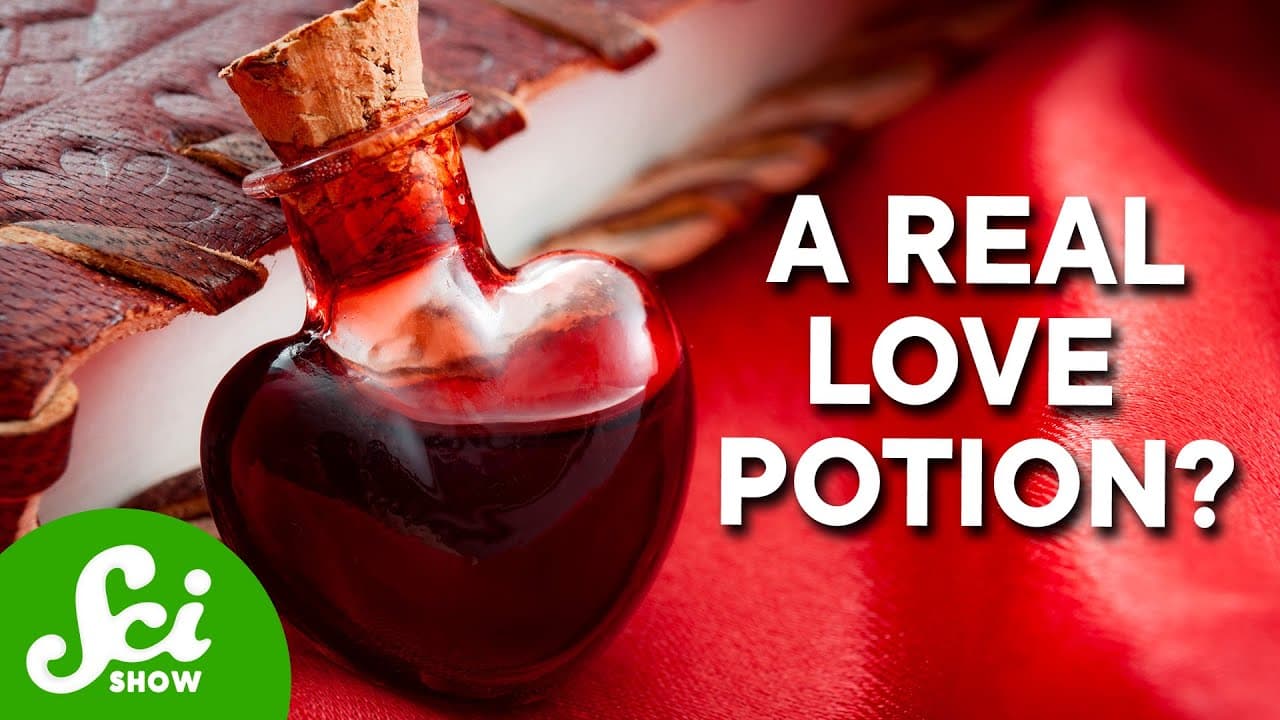
- 🥰 Love potions from history aimed to replicate the feeling of being in love by altering neurotransmitter activity and stimulating the nervous system.
- 🥰 Love potions contained ingredients like mandrake root, henbane leaves, areca nut, and yellow hemp, each with their own effects on the body.
- 😒 Toxic components in these potions were responsible for the desired effects, but also made them unsafe for regular use.
- 🥰 Modern sleep aids and love enhancers have been developed with fewer toxic components and safer formulations.
- 🛢️ Almond oil served as a solvent in these potions, helping to mix all the ingredients together.
Install to Summarize YouTube Videos and Get Transcripts
Explore YouTube Video Summarizer or Get YouTube Transcript Extractor
Questions & Answers
Q: How do sleep potions from history work?
Sleep potions containing ingredients like foxglove flower and dry toads rely on the chemical compounds they contain, such as cardiac glycosides, to slow heart rate and induce sleep.
Q: What are the ingredients in a historical love potion?
Historical love potions may contain mandrake root, henbane leaves, areca nut, and yellow hemp. These ingredients interact with the body's nervous system and neurotransmitters to mimic the feeling of being in love.
Q: Why aren't these potions commonly used today?
These potions had toxic components that induced the desired effects, making them unsafe for regular consumption. Modern alternatives with fewer side effects have been developed.
Q: What role did almond oil play in these potions?
Almond oil acted as a solvent in the potions, helping to keep all the ingredients mixed together.
Summary & Key Takeaways
-
Sleep potions from history, such as those containing foxglove flower, dry frog or toad, Rauwolfia serpentina root, and almond oil, relied on chemical compounds to slow heart rate and induce sleep.
-
Love potions incorporated mandrake root, henbane leaves, areca nut, and yellow hemp, which interacted with the body's nervous system and neurotransmitters to mimic the feeling of being in love.
-
While these potions were effective, their desired effects were often due to the toxic components present in the ingredients.
Read in Other Languages (beta)
Share This Summary 📚
Summarize YouTube Videos and Get Video Transcripts with 1-Click
Try YouTube Summary with ChatGPT & Claude or YouTube Transcript Generator
Explore More Summaries from SciShow 📚


Summarize YouTube Videos and Get Video Transcripts with 1-Click
Try YouTube Summary with ChatGPT & Claude or YouTube Transcript Generator