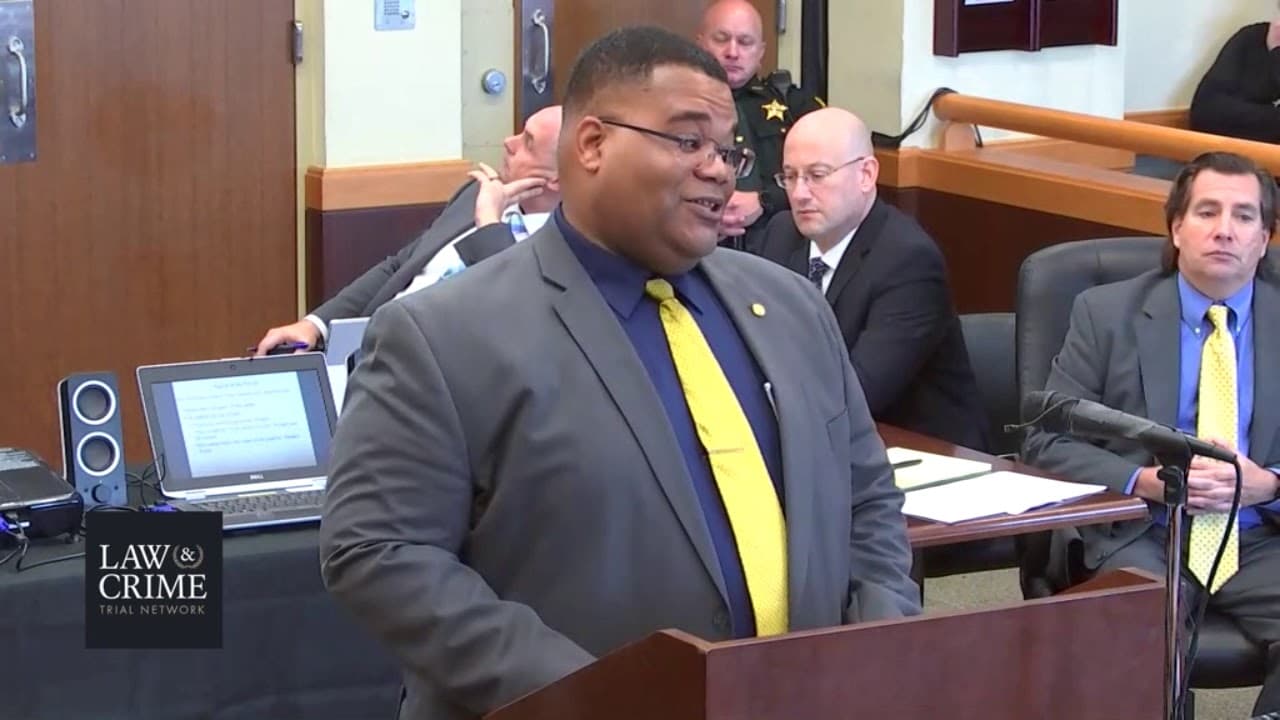
Mark Sievers Penalty Phase - Prosecution Closing Argument
TL;DR
Defense and prosecution make final arguments in a murder case, emphasizing financial motive and premeditation.
Transcript
Bernie's yes your honor please be seated we'll ask our jurors again have you followed my instructions not talked about the case among yourselves or with anybody else or looked up any the people are places involved even if you did so it inverting lien ow it'd be the time to raise your hand and let me know well the record no jurors lifted their hand ... Read More
Key Insights
- 🖐️ Financial gain and premeditation play central roles in the prosecution's argument for the death penalty.
- 🧑🏭 Mitigating factors such as the defendant's background are presented by the defense but deemed insufficient to outweigh aggravating factors.
- 🧑🏭 The jury is tasked with evaluating evidence, applying the law, and making a decision based on facts and common sense.
- 📣 The detailed presentation of phone records, witness testimonies, and criminal actions underscores the complex nature of the case.
- 🙃 The importance of following instructions, avoiding bias, and understanding the penalty phase law is emphasized by both sides.
- 🔄 The defense's attempt to portray the defendant as a minor accomplice is countered by the prosecution's argument that he was the catalyst for the crime.
- 😀 The jury faces a challenging task of weighing evidence, determining aggravating and mitigating factors, and ultimately deciding the defendant's fate.
Install to Summarize YouTube Videos and Get Transcripts
Explore YouTube Video Summarizer or Get YouTube Transcript Extractor
Questions & Answers
Q: What factors does the prosecution emphasize in arguing for the death penalty?
The prosecution stresses the financial motive behind the murder, highlighting the defendant's calculated and premeditated actions to secure insurance money through the victim's death. They urge the jury to consider this as an aggravating factor justifying the death penalty.
Q: How does the defense argue against the death penalty?
The defense presents mitigating circumstances such as the defendant's lack of significant criminal history and portrays his involvement in the murder as relatively minor. However, they fail to establish these mitigating factors outweighing the aggravating factors, leading to a complex decision for the jury.
Q: How does the prosecution address the defendant's character and background in relation to the crime?
The prosecution acknowledges aspects of the defendant's childhood, family values, and religious beliefs to humanize him but argues that these factors do not mitigate his cold, calculated, and premeditated actions in orchestrating the murder for financial gain.
Q: What specific evidence is presented to support the charge of premeditated murder?
The prosecution presents a detailed timeline of the defendant's actions, including secret communications, recon missions to the victim's house, and strategic planning with the hired accomplice. They highlight phone records, financial transactions, and witness testimonies to establish a pattern of premeditation.
Summary & Key Takeaways
-
The defense and prosecution present their closing arguments in a murder case, highlighting the financial motive and premeditated nature of the crime.
-
The jury is tasked with deciding the penalty phase, considering aggravating factors, mitigating circumstances, and the weight of evidence presented.
-
Both sides stress the importance of following the law, applying common sense, and making a decision without bias in determining the defendant's fate.
Read in Other Languages (beta)
Share This Summary 📚
Summarize YouTube Videos and Get Video Transcripts with 1-Click
Try YouTube Summary with ChatGPT & Claude or YouTube Transcript Generator
Explore More Summaries from Law&Crime Network 📚



Summarize YouTube Videos and Get Video Transcripts with 1-Click
Try YouTube Summary with ChatGPT & Claude or YouTube Transcript Generator