Scenario 4: Comparative Policy Analysis
TL;DR
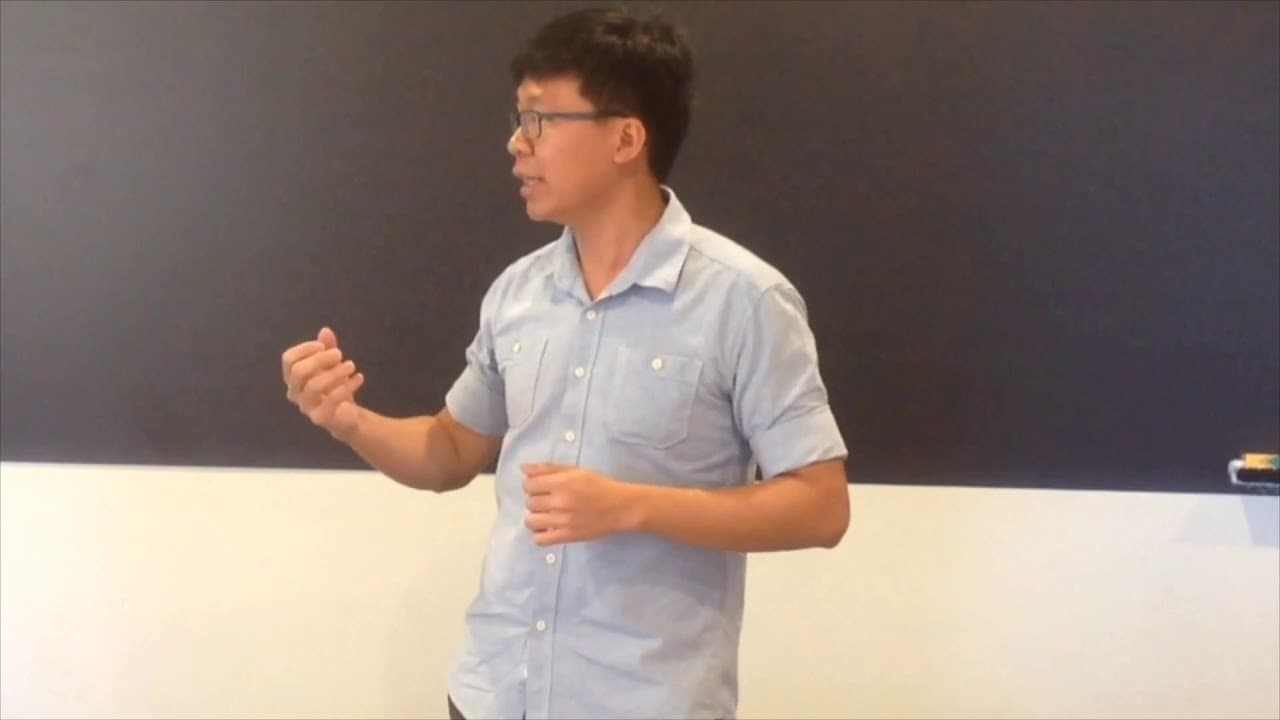
The speaker discusses their upcoming trips to EU, Japan, and Australia to learn about farmland protection policies and strategies.
Transcript
Good morning, Board of Directors. As all of you know, from 2000 to 2007, the US lost four million acres in cultural land to development. It is really the size of Massachusetts. And although there are federal policies targeted to combat this loss of farmland, they are not nearly enough to deal with this problem we have here at home. And so I'll spea... Read More
Key Insights
- 🌸 The US has experienced a significant loss of farmland to development.
- 💁 Learning from international experiences can inform farmland protection strategies in the US.
- 🪡 Differences in institutions and culture need to be considered when translating policies.
- 💡 Ideas from other countries may be useful for future implementation.
- 🖐️ Stakeholders, cultural institutions, and farming communities play a crucial role in shaping farmland protection policies.
- 😵 Cross-contextual learning allows for a broader understanding of the trade-off between development and farmland protection.
- 🧑🌾 The EU's approach to contracting with farmers for ecological services offers an alternative to traditional farmland policies.
Install to Summarize YouTube Videos and Get Transcripts
Explore YouTube Video Summarizer or Get YouTube Transcript Extractor
Questions & Answers
Q: What is the main concern regarding farmland protection in the US?
The US has been losing a significant amount of farmland to development, which poses a challenge for food production and sustainability.
Q: Why are the trips to EU, Japan, and Australia important for learning about farmland protection?
These regions provide opportunities for cross-contextual learning, as they have similar economic development levels but different geographies, histories, and policies related to agriculture.
Q: Who will the speaker gather information from during these trips?
The speaker plans to engage with stakeholders in business and industry, chairpersons and culture committees in EU member states, and officials in various cultural groups in Japan and Australia.
Q: How will the speaker overcome differences in institutions and cultures while translating policies for the US?
The speaker intends to be a translator, taking the spirit of the policies and combining it with an understanding of the realities in the US to develop ideas that work within the country's context.
Summary & Key Takeaways
-
The US has lost four million acres of farmland to development from 2000 to 2007.
-
The speaker plans to gather information on place, policies, and people related to farmland protection in EU, Japan, and Australia.
-
They aim to learn from stakeholders, cultural institutions, and farming communities to develop useful ideas and strategies for the US.
Read in Other Languages (beta)
Share This Summary 📚
Summarize YouTube Videos and Get Video Transcripts with 1-Click
Try YouTube Summary with ChatGPT & Claude or YouTube Transcript Generator
Explore More Summaries from MIT OpenCourseWare 📚



Summarize YouTube Videos and Get Video Transcripts with 1-Click
Try YouTube Summary with ChatGPT & Claude or YouTube Transcript Generator