The Founder Who Bootstrapped To $500 Million In Revenue | Mike Salguero
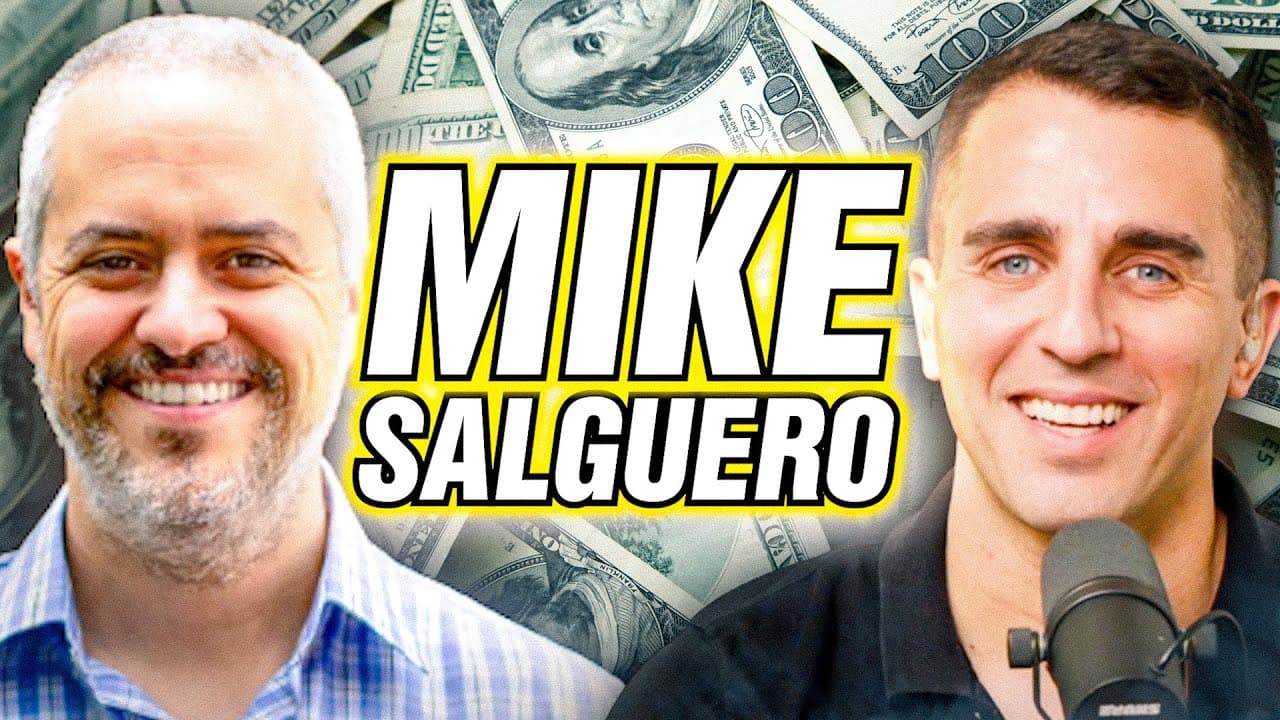
TL;DR
A founder discusses the journey from a hobby business to a successful meat subscription service.
Transcript
you've built a business that you bootstrapped over 500 million dollars in Revenue I wanted to run a hobby business I just got this crazy idea that my hobby business was going to be like sending grass-fed beef to people's houses I'm not a big believer in business plans because uh every time I've written one their body changed right away you could ha... Read More
Key Insights
- 🤩 The journey from entrepreneurial failure to success is often built on learning key lessons and adapting strategies accordingly.
- ❓ Influencer marketing can significantly amplify brand awareness and customer acquisition, especially in niche markets.
- 👻 Bootstrapping a business allows for greater control and prioritization of long-term vision without external pressures from investors.
- 💪 A strong mission and purpose can drive a company's success while fostering customer loyalty and trust.
- 😋 Sustainability and ethical sourcing are rapidly becoming essential selling points in the food industry.
- ✋ Entrepreneurship does not always necessitate the pursuit of high valuations; many successful companies thrive by focusing on manageable growth.
- 👻 Profitability from the outset supports sustainable growth and allows for reinvestment into the business.
Install to Summarize YouTube Videos and Get Transcripts
Explore YouTube Video Summarizer or Get YouTube Transcript Extractor
Questions & Answers
Q: How did the founder shift from their first failed venture to establishing ButcherBox?
After experiencing failure with a previous startup, the founder focused on learning from mistakes and recognizing the importance of understanding customer needs. They decided to launch ButcherBox with a vision of delivering high-quality grass-fed beef to consumers, while ensuring profitability and not repeating past mistakes.
Q: What role did influencer marketing play in the company's growth?
Influencer marketing became a key strategy for ButcherBox, as the company effectively reached out to health and wellness influencers. By providing free products in exchange for promotion, they were able to generate significant interest and subscriber sign-ups, contributing to rapid revenue growth.
Q: Why did the founder choose not to raise outside capital for ButcherBox?
The founder emphasized the freedom and control that comes with bootstrapping a business. They believed previous experiences with raising capital and subsequent pressure from investors negatively impacted their first venture. By avoiding outside funding, they maintained decision-making autonomy to prioritize company values and long-term goals.
Q: What are the key motivations behind ButcherBox’s mission?
The mission revolves around transforming the meat industry by promoting sustainable farming practices and providing consumers with trustworthy, ethically-sourced food options. The founder aims to address issues of animal welfare, environmental impact, and consumer health through high-quality meat products.
Q: How did the founder manage to maintain profitability while scaling ButcherBox?
The founder developed a model to ensure that the first box sold to every customer generated profit. By closely monitoring acquisition costs against lifetime customer value, And strategically investing in retention, they built a scalable and profitable subscription model without sacrificing quality.
Q: What are the critical challenges facing ButcherBox now and in the future?
Current challenges include navigating market competition, particularly as big players in the industry start to recognize the demand for ethically-sourced meat and develop their own programs. Additionally, regulatory shifts, such as California's Prop 12, may affect supply chains and operations, necessitating proactive strategies.
Q: How has the company's approach to product offerings evolved?
ButcherBox initially focused on grass-fed beef but has since expanded into other protein categories, including chicken, pork, and seafood. They continue to explore added value products, such as pet treats and prepared meal kits, to meet diverse customer preferences while enhancing sustainability.
Q: What advice does the founder have for aspiring entrepreneurs?
The founder encourages aspiring entrepreneurs to focus on lifestyle design and to understand their purpose and values. They suggest starting small, being adaptable, and avoiding the trap of feeling the need to raise money prematurely. Emphasizing customer satisfaction and consistently learning from experiences is crucial for long-term success.
Summary & Key Takeaways
-
The founder initially set out to create a hobby business by delivering grass-fed beef to customers, motivated by personal and financial goals. Through adaptability and keen observation of market needs, the business evolved.
-
After a challenging first venture that involved raising capital and ultimately failing, the founder applied hard-earned lessons to create a sustainable company without outside investment, focusing on customer satisfaction and operational efficiency.
-
ButcherBox quickly gained traction in the market, moving from $300,000 in revenue in its first year to over $500 million as it capitalized on the growing demand for ethically-sourced meat options and influencer marketing strategies.
Read in Other Languages (beta)
Share This Summary 📚
Summarize YouTube Videos and Get Video Transcripts with 1-Click
Try YouTube Summary with ChatGPT & Claude or YouTube Transcript Generator
Explore More Summaries from Anthony Pompliano 📚

Summarize YouTube Videos and Get Video Transcripts with 1-Click
Try YouTube Summary with ChatGPT & Claude or YouTube Transcript Generator