Why Do People Fail at Fitness? Top 10 Reasons Explained
TL;DR
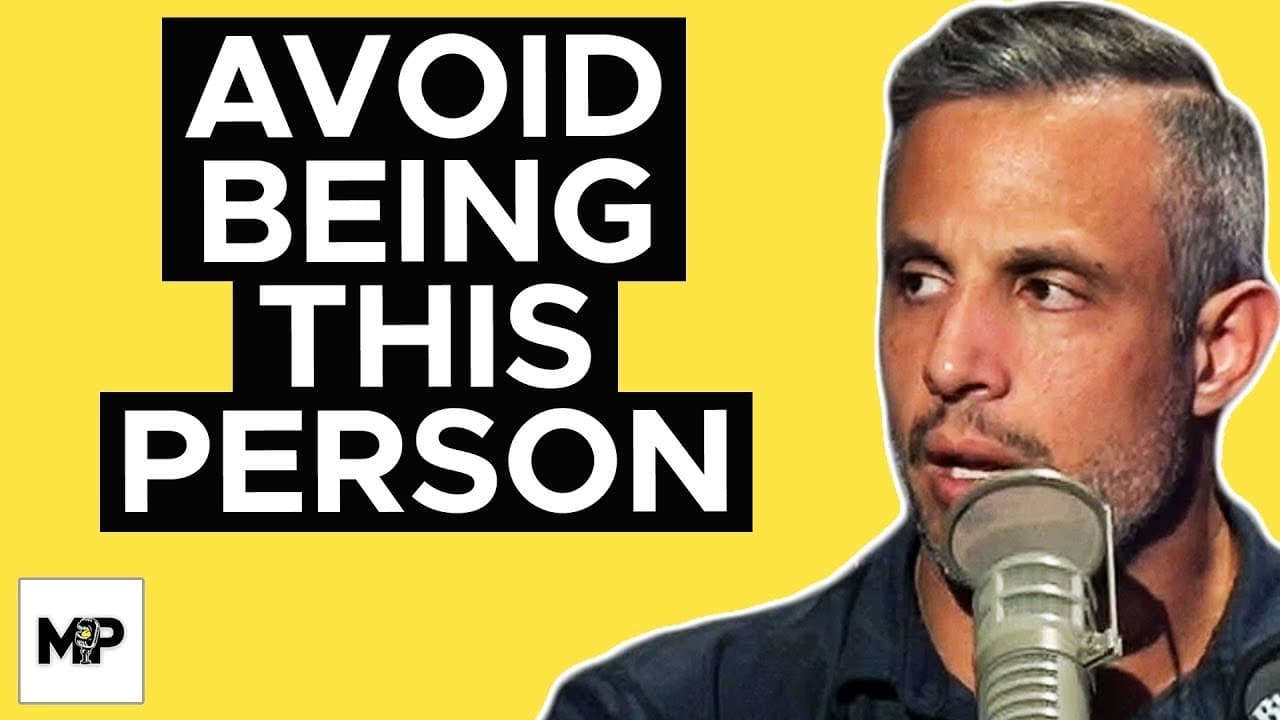
People often fail at fitness due to common patterns such as chronic dieting, overtraining, or relying solely on group exercises. Understanding these patterns can help individuals identify personal barriers to fitness success. By recognizing these tendencies, people can adopt more sustainable and personalized fitness strategies, leading to long-term health and wellness improvements.
Transcript
in today's episode we talk about the 10 types of people who fail at fitness for example are you a chronic dieter are you a group exerciser the forever bulker there's 10 of them maybe you're one of them so i know you're going to enjoy this episode also later on we're going to give away a free maps workout program bundle so stay tuned here comes the ... Read More
Key Insights
- Chronic dieters frequently switch between extreme diets, often leading to temporary weight loss followed by weight gain.
- Overtraining can hinder progress by overwhelming the body's ability to adapt, despite the initial perception of effectiveness.
- Group exercisers often rely on classes for motivation, which can lead to inconsistency if the class schedule changes.
- Ex-athletes may struggle with fitness post-career due to outdated training habits and overeating.
- Exercise haters often dislike working out due to past negative experiences or ineffective routines.
- Forever bulkers focus excessively on gaining mass, often overlooking the benefits of cutting cycles.
- Excuse makers often cite lack of time as a barrier, but even minimal exercise can significantly improve health.
- Cardio kings and queens rely heavily on cardio for weight loss, which is not sustainable long-term.
Install to Summarize YouTube Videos and Get Transcripts
Explore YouTube Video Summarizer or Get YouTube Transcript Extractor
Questions & Answers
Q: How can chronic dieters find a sustainable approach to weight loss?
Chronic dieters should avoid extreme diets and instead adopt a gradual approach focusing on sustainable eating habits. This includes not eliminating entire food groups, understanding personal dietary needs, and developing a balanced relationship with food. By prioritizing long-term lifestyle changes over quick fixes, they can achieve lasting weight management.
Q: What are the signs of overtraining, and how can it be prevented?
Signs of overtraining include persistent fatigue, decreased performance, and prolonged muscle soreness. To prevent overtraining, individuals should listen to their bodies, incorporate rest days, and ensure their exercise intensity matches their fitness level. Balancing workouts with adequate recovery time is crucial for optimal progress.
Q: Why do some people rely heavily on group exercises, and what are the potential downsides?
People often rely on group exercises for motivation and social interaction. However, this dependency can lead to inconsistency if class schedules change or if they don't develop a personal fitness routine. It's important to cultivate an individual exercise habit that can adapt to life changes and maintain consistency.
Q: How can ex-athletes transition to a healthy fitness routine post-career?
Ex-athletes should redefine their fitness goals to focus on health and longevity rather than high performance. This involves adopting moderate exercise routines, understanding new dietary needs, and gradually adjusting to a lifestyle that doesn't require intense training. Emphasizing overall well-being can lead to a more sustainable and enjoyable fitness journey.
Q: What strategies can help exercise haters develop a positive relationship with fitness?
Exercise haters can start by finding activities they enjoy, even if they're not traditional workouts. Starting with small, achievable goals and gradually increasing intensity can make exercise more enjoyable. Viewing fitness as self-care and focusing on the benefits beyond physical appearance can also foster a positive relationship with exercise.
Q: How can forever bulkers achieve a balanced approach to muscle gain and fat loss?
Forever bulkers should incorporate cutting cycles to avoid excessive fat gain. Balancing periods of muscle gain with phases focused on fat loss can enhance overall physique and health. Monitoring dietary intake and adjusting training intensity can help achieve a more balanced and sustainable fitness regimen.
Q: What are effective ways for excuse makers to incorporate fitness into a busy schedule?
Excuse makers can start by identifying small time slots for exercise, such as short walks or quick home workouts. Prioritizing health by scheduling workouts like important appointments and focusing on the quality rather than quantity of exercise can make fitness more manageable. Even minimal activity can significantly improve overall health.
Q: Why is relying solely on cardio for weight loss not sustainable?
Relying solely on cardio for weight loss can lead to diminishing returns as the body adapts, requiring more effort for the same results. It can also cause muscle loss and metabolic slowdown. A balanced routine that includes strength training can enhance metabolism, preserve muscle mass, and provide more sustainable weight management.
Summary & Key Takeaways
-
Many people fail at fitness due to common patterns like chronic dieting or overtraining. Chronic dieters jump from one extreme diet to another, leading to temporary weight loss but eventual weight gain. Overtraining can seem effective at first, but it often overwhelms the body's ability to adapt, slowing progress.
-
Group exercisers may struggle with consistency if they rely solely on classes for motivation. Ex-athletes often face challenges post-career by clinging to outdated training habits and overeating. Exercise haters might dislike working out due to negative past experiences or ineffective routines.
-
Forever bulkers focus too much on gaining mass, neglecting the benefits of cutting cycles. Excuse makers often blame lack of time, but even minimal exercise can improve health. Cardio enthusiasts rely heavily on cardio for weight loss, which is unsustainable long-term.
Read in Other Languages (beta)
Share This Summary 📚
Summarize YouTube Videos and Get Video Transcripts with 1-Click
Try YouTube Summary with ChatGPT & Claude or YouTube Transcript Generator
Explore More Summaries from Mind Pump Show 📚



Summarize YouTube Videos and Get Video Transcripts with 1-Click
Try YouTube Summary with ChatGPT & Claude or YouTube Transcript Generator