How Does Cải Lương Connect North and South Vietnam?
TL;DR
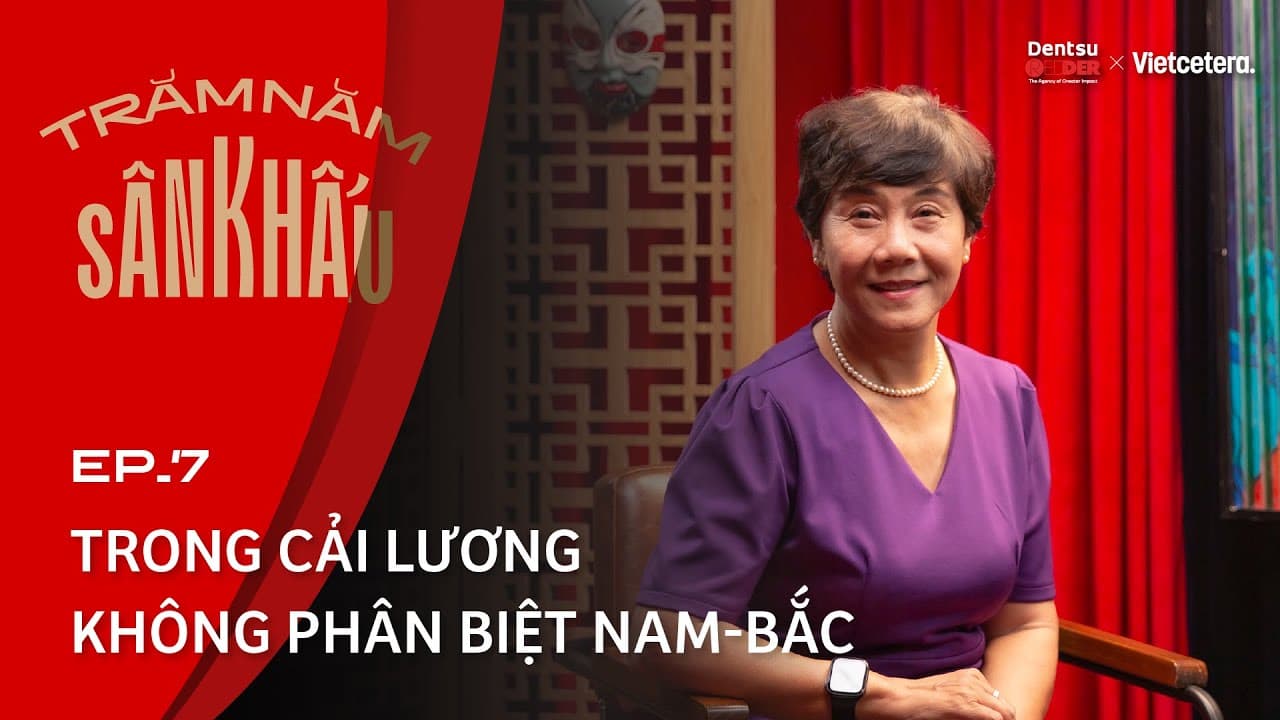
Cải Lương, a traditional Vietnamese art form, bridges cultural divides between North and South Vietnam. Despite regional differences, it has been embraced across the nation, reflecting shared history and cultural values. The conversation with Dr. Nguyễn Thị Hậu highlights the historical journey of Cải Lương and its significance in unifying Vietnamese people through shared artistic expression.
Transcript
All professions require labor. Work hard and be honest. And even art must be more than that. In addition to having to study at theater school about techniques and how to act on stage, the students must practice with the Nam Bộ reformed troupe. And after that, there will be pronunciation classes with a Southern accent, which Ms. Phi Điều, now an art... Read More
Key Insights
- Cải Lương is a traditional Vietnamese art form that originated in the South but has been embraced across Vietnam.
- Dr. Nguyễn Thị Hậu discusses the historical journey of Cải Lương and its significance in unifying Vietnamese people.
- The art form reflects shared cultural values and history, bridging regional divides.
- Cải Lương incorporates elements from other traditional Vietnamese arts like 'Hát Bội', 'Chèo', and 'Tuồng'.
- Despite its Southern origins, Cải Lương has been warmly received by Northern audiences.
- The art form's popularity in the North reflects a broader acceptance of cultural diversity within Vietnam.
- Cải Lương plays often depict historical events, providing a cultural chronicle of Vietnam's past.
- Dr. Hậu emphasizes the need for a research institute to preserve and study Cải Lương for future generations.
Install to Summarize YouTube Videos and Get Transcripts
Explore YouTube Video Summarizer or Get YouTube Transcript Extractor
Questions & Answers
Q: How did Cải Lương become popular in Northern Vietnam?
Cải Lương became popular in Northern Vietnam through the efforts of artists and troupes who brought the art form from the South. Despite its Southern origins, Northern audiences embraced Cải Lương due to its emotional storytelling and cultural resonance. The art form's ability to incorporate elements from other traditional Vietnamese arts also contributed to its widespread acceptance.
Q: What role does Cải Lương play in Vietnamese cultural unity?
Cải Lương plays a significant role in Vietnamese cultural unity by bridging regional divides and reflecting shared history and cultural values. The art form's popularity across Vietnam, despite regional differences, highlights its ability to connect people through shared artistic expression. Cải Lương's depiction of historical events further reinforces its role as a cultural chronicle, uniting Vietnamese people through a common narrative.
Q: Why is there a need for a Cải Lương research institute?
There is a need for a Cải Lương research institute to preserve and study the art form for future generations. As Cải Lương evolves and adapts to changing social conditions, a dedicated research institute would ensure that its history, techniques, and cultural significance are documented and understood. This would help maintain Cải Lương's relevance and contribution to Vietnam's cultural heritage.
Q: How does Cải Lương incorporate elements from other Vietnamese arts?
Cải Lương incorporates elements from other Vietnamese arts such as 'Hát Bội', 'Chèo', and 'Tuồng' by adopting their techniques and styles. This integration enriches Cải Lương's performances, allowing it to resonate with audiences familiar with these traditional forms. The blending of different artistic elements also reflects Vietnam's cultural diversity and the adaptability of Cải Lương as an art form.
Q: What historical events are depicted in Cải Lương plays?
Cải Lương plays often depict significant historical events in Vietnam, such as the August Revolution, the Nam Bộ Uprising, and the lives of historical figures like Võ Thị Sáu. These plays serve as cultural chronicles, providing audiences with artistic interpretations of Vietnam's past. By dramatizing historical events, Cải Lương helps preserve cultural memory and fosters a deeper understanding of Vietnam's history.
Q: How does Cải Lương reflect shared cultural values in Vietnam?
Cải Lương reflects shared cultural values in Vietnam through its storytelling and emotional expression, which resonate with audiences across the country. The art form's themes often emphasize unity, resilience, and patriotism, aligning with broader Vietnamese cultural values. By transcending regional differences, Cải Lương reinforces a sense of national identity and cultural cohesion among Vietnamese people.
Q: What challenges does Cải Lương face in modern times?
Cải Lương faces challenges in modern times due to changing social conditions and the need to adapt to contemporary tastes. As traditional art forms compete with modern entertainment, there is a risk of losing cultural heritage if not adequately preserved and promoted. Efforts to maintain Cải Lương's relevance include establishing research institutes and museums to document and study the art form's history and techniques.
Q: How can Cải Lương contribute to international cultural exchange?
Cải Lương can contribute to international cultural exchange by showcasing Vietnamese art and storytelling to global audiences. Its unique blend of music, drama, and cultural themes offers insights into Vietnamese history and values. By participating in international festivals and collaborations, Cải Lương can foster cross-cultural understanding and appreciation, highlighting Vietnam's rich artistic heritage on the world stage.
Summary & Key Takeaways
-
Cải Lương, a traditional Vietnamese art form, has successfully bridged cultural divides between North and South Vietnam. Despite its Southern origins, it has been warmly received by Northern audiences, reflecting shared cultural values and history. This acceptance underscores the art form's role in unifying Vietnamese people through shared artistic expression.
-
Dr. Nguyễn Thị Hậu highlights the historical journey of Cải Lương, emphasizing its significance in Vietnam's cultural landscape. The art form incorporates elements from other traditional Vietnamese arts and often depicts historical events, providing a cultural chronicle of Vietnam's past.
-
The conversation underscores the importance of preserving Cải Lương for future generations. Dr. Hậu advocates for a research institute dedicated to studying and preserving this art form, ensuring its continued relevance and contribution to Vietnam's cultural heritage.
Read in Other Languages (beta)
Share This Summary 📚
Summarize YouTube Videos and Get Video Transcripts with 1-Click
Try YouTube Summary with ChatGPT & Claude or YouTube Transcript Generator
Explore More Summaries from Vietcetera 📚

Summarize YouTube Videos and Get Video Transcripts with 1-Click
Try YouTube Summary with ChatGPT & Claude or YouTube Transcript Generator