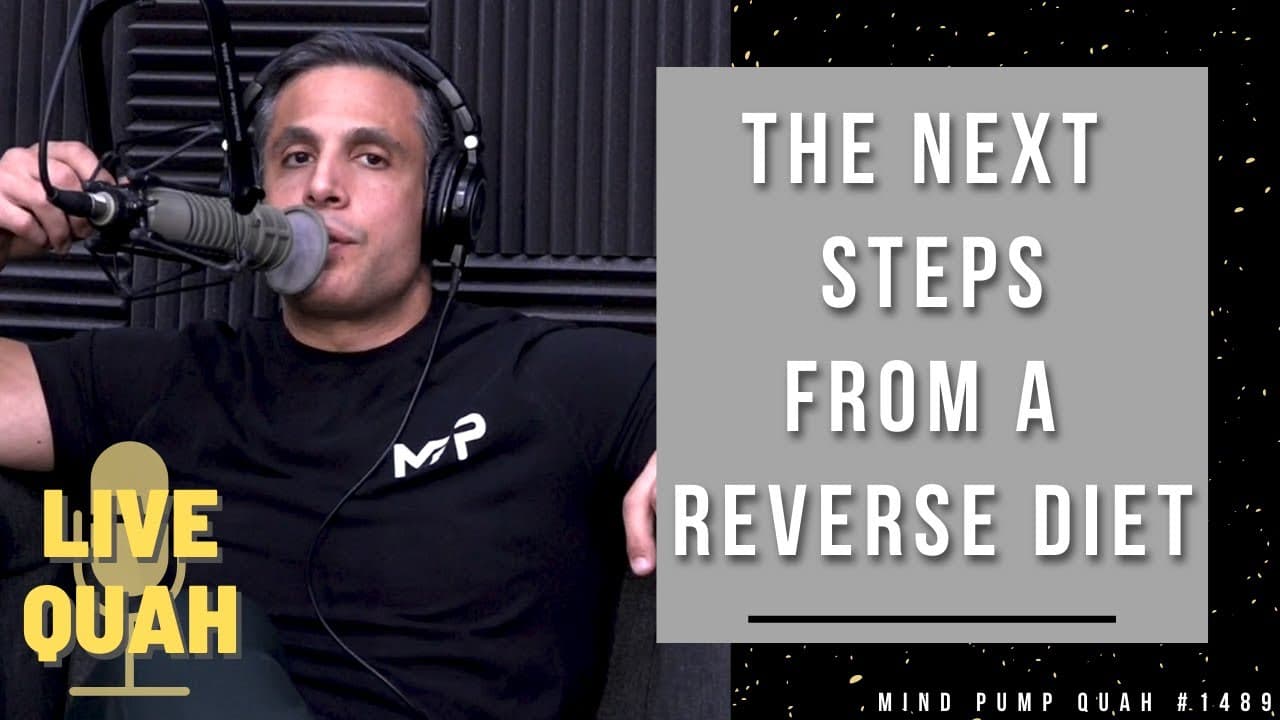
Keys to Success When Reverse Dieting
TL;DR
Reverse dieting boosts metabolism after prolonged calorie restriction.
Transcript
all right our first question is from bella in new york hi bella how can we help you hi thanks so much for having me um so i recently just started a reverse diet and i'm wanting to know if i'm sort of on the right track and what should my expectations be or what should i anticipate throughout the process i just feel a little bit lost okay that's a g... Read More
Key Insights
- Reverse dieting can aid in metabolism recovery after long-term calorie restriction, helping to balance hormones and improve overall health.
- Gradual calorie increase during reverse dieting is essential; increments of 100-150 calories every 3-4 weeks are typical.
- Monitoring progress through performance gains, body measurements, and body fat tests can be more insightful than relying solely on scale weight.
- Strength gains, improved energy, and better sleep are positive indicators that reverse dieting is working effectively.
- It's normal to experience some weight gain or tighter clothing during reverse dieting due to increased muscle mass and water retention.
- Reverse dieting requires patience; it can take months or even a year to see significant metabolic improvements.
- Having a coach or second opinion can help maintain objectivity and provide reassurance during the reverse dieting process.
- Reverse dieting can make future fat loss more manageable by increasing the number of calories the body can burn efficiently.
Install to Summarize YouTube Videos and Get Transcripts
Explore YouTube Video Summarizer or Get YouTube Transcript Extractor
Questions & Answers
Q: What is the purpose of reverse dieting?
Reverse dieting aims to recover and boost the metabolism after a prolonged period of calorie restriction. It helps balance hormones, improve energy levels, and enhance overall health. By gradually increasing calorie intake, it allows the body to adjust and increase its calorie-burning capacity, making future weight management more effective.
Q: How does one implement a reverse diet?
To implement a reverse diet, start by gradually increasing your calorie intake in small increments, typically 100-150 calories every 3-4 weeks. Monitor your body's response through strength gains, energy levels, and body composition changes rather than focusing solely on scale weight. Adjust the calorie increase based on these indicators.
Q: What are the signs that reverse dieting is working?
Successful reverse dieting is indicated by strength gains, improved energy, better sleep, and enhanced overall health. An increase in appetite can also be a positive sign. Monitoring these indicators helps ensure the process is on track, even if the scale shows slight weight gain due to muscle mass increase and water retention.
Q: How long does reverse dieting take to show results?
Reverse dieting is a gradual process that can take several months to a year to show significant metabolic improvements. Patience is essential, as the body needs time to adjust to increased calorie intake and enhance its calorie-burning capacity. Consistent monitoring and gradual adjustments are crucial for long-term success.
Q: Why might someone gain weight during reverse dieting?
Weight gain during reverse dieting is normal and can result from increased muscle mass and water retention. As calorie intake rises, the body may retain more water and build muscle, which can make clothes feel tighter. Monitoring body composition and strength gains provides better insights than focusing solely on scale weight.
Q: How can a coach help during reverse dieting?
A coach provides valuable guidance and objectivity during reverse dieting. They can help monitor progress, make necessary adjustments, and reassure clients when they experience normal fluctuations in weight or clothing fit. Coaches offer expertise in assessing performance metrics and body composition changes, ensuring the process stays on track.
Q: What challenges are associated with reverse dieting?
Reverse dieting challenges include overcoming the psychological hurdle of eating more after prolonged calorie restriction and dealing with weight gain or tighter clothing. It requires patience and a shift in focus from immediate weight loss to long-term metabolic health. Having a coach or support system can help navigate these challenges.
Q: How does reverse dieting affect future fat loss efforts?
Reverse dieting improves future fat loss efforts by increasing the body's calorie-burning capacity. By gradually increasing calorie intake and building muscle, the metabolism becomes more efficient. This allows for a higher caloric intake during future weight loss phases, making it easier to achieve and maintain fat loss goals.
Summary & Key Takeaways
-
Reverse dieting helps recover metabolism after prolonged calorie restriction. It involves gradually increasing calorie intake while monitoring strength, energy, and body composition changes. Patience and consistent monitoring are key to success.
-
The process can take several months to a year, with gradual calorie increases every 3-4 weeks. Positive signs include strength gains, improved energy, and better sleep. Weight gain and tighter clothes are normal due to muscle gain.
-
Having a coach can provide valuable guidance and objectivity. Reverse dieting ultimately makes future fat loss easier by enhancing the body's calorie-burning capacity through increased muscle mass and metabolic rate.
Read in Other Languages (beta)
Share This Summary 📚
Summarize YouTube Videos and Get Video Transcripts with 1-Click
Try YouTube Summary with ChatGPT & Claude or YouTube Transcript Generator
Explore More Summaries from Mind Pump Show 📚




Summarize YouTube Videos and Get Video Transcripts with 1-Click
Try YouTube Summary with ChatGPT & Claude or YouTube Transcript Generator