The role of human emotions in science and research | Ilona Stengel
TL;DR
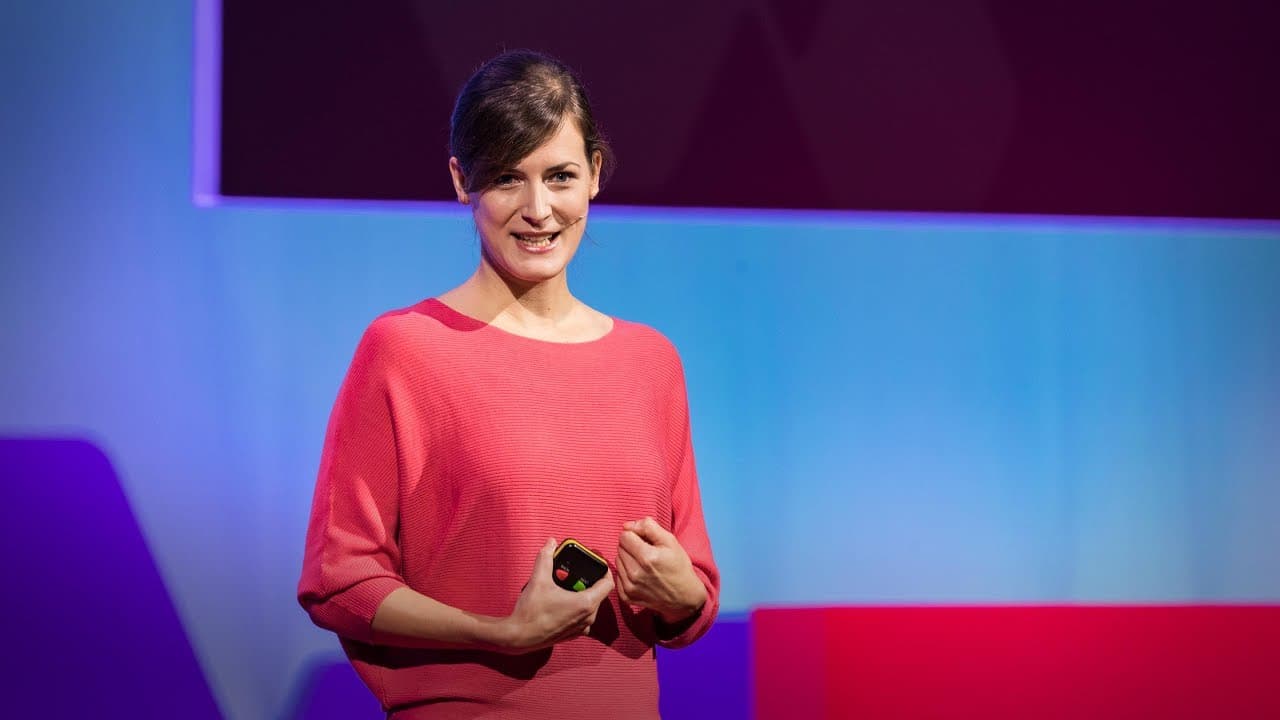
In this content, the author discusses the role of emotions in science, using their own experience working on OLED research as a case study.
Transcript
Read and summarize the transcript of this video on Glasp Reader (beta).
Key Insights
- 🖖 Emotions play a significant role in science and should not be neglected or considered obstacles. They are as important as facts and logic for breakthroughs and innovation.
- 🔬 The story of Mr. Spock from Star Trek illustrates the struggle between emotions and logic, and how combining both can lead to success in facing challenges and exploring new frontiers.
- 🌈 A small case study on emotions in science showed that despite knowing their project would be discontinued, scientists' dedication, sense of belonging, and empowerment led to improved results.
- 💡 Freedom and responsibility are essential in fostering creativity and innovation in science. When individuals feel connected to something meaningful, their output can excel, even in difficult circumstances.
- 📚 The same principles seen in the OLED research case study can be found in various breakthrough stories, both in and out of science. Dedication, teamwork, freedom, and responsibility are key elements.
- 💔 Ignoring emotions in science can lead to missed personal development and happiness. By embracing our emotions and dedicating ourselves to meaningful work, we can achieve more.
- 💡 Emotions and logic are not contradictory. They complement and reinforce each other. Feeling dedicated, belonging to a larger purpose, and being empowered are crucial for creativity and innovation.
- 🌟 Whatever the field, it is important to find work that matters to you and take it to heart. This sense of purpose and passion can drive creativity, innovation, and success.
Install to Summarize YouTube Videos and Get Transcripts
Explore YouTube Video Summarizer or Get YouTube Transcript Extractor
Questions & Answers
Q: What is the role of Mr. Spock in the Star Trek series?
Mr. Spock is a half-human, half-Vulcan scientist and the first officer of the starship Enterprise. He constantly struggles with the conflict between logic and emotions, and his presence and absence of emotions is a recurring theme throughout the series.
Q: How do fans of Star Trek view the contradictory behavior of Mr. Spock?
Fans of Star Trek find Mr. Spock's conflicting behavior fascinating. They watch with amusement as he grapples with his mixed heritage, attempting to remain logical while also dealing with his human emotions.
Q: What is the author's view on the role of emotions in science?
The author believes that emotions are just as important in science as they are in any other aspect of our lives. Emotions should not be neglected or considered obstacles to overcome in scientific endeavors. Instead, they should be embraced and utilized, as they can contribute to breakthroughs and innovation.
Q: Can humans completely rid themselves of emotions in scientific pursuits?
No, humans cannot completely eliminate their emotions, even when engaged in scientific endeavors. Emotions are an inherent part of being human, and instead of fighting against them, the author argues that we should make use of our feelings in science, as they can be equally important as facts and logic.
Q: What is the author's personal experience with emotions in science?
The author shares a personal experience of working on an OLED research project that was to be discontinued. Despite knowing that the project would be ending, the author and their colleagues experienced increased dedication and output during the final months. This was due to a shared passion for their work, a sense of belonging to something meaningful, and the freedom to take more ownership over the project. The author believes that these emotions played a significant role in their achievements.
Summary & Key Takeaways
-
Mr. Spock's constant struggle between logic and emotions is a fascinating topic in Star Trek and highlights the importance of emotions in science.
-
A case study on emotions in science, using the example of an OLED research project, shows that dedication, belonging, and empowerment can lead to increased productivity and innovation.
-
Emotions and logic should not be seen as opposing forces, but rather as complementary and reinforcing elements that are crucial for creativity and innovation in scientific endeavors.
Read in Other Languages (beta)
Share This Summary 📚
Summarize YouTube Videos and Get Video Transcripts with 1-Click
Try YouTube Summary with ChatGPT & Claude or YouTube Transcript Generator
Explore More Summaries from TED 📚




Summarize YouTube Videos and Get Video Transcripts with 1-Click
Try YouTube Summary with ChatGPT & Claude or YouTube Transcript Generator