The Ideal Number of Exercises to Maximize Your Gains

TL;DR
The ideal number of exercises varies based on individual needs.
Transcript
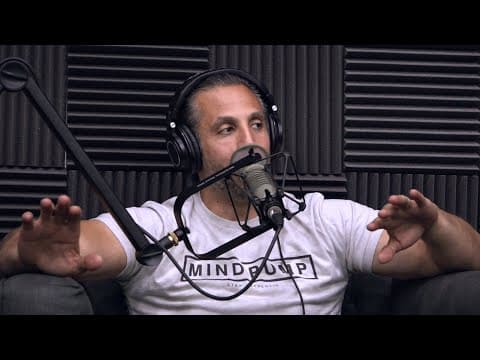
what's the perfect number of exercises that you should do in a workout watch this our next caller is Angela from New York Angela what's going on Hi how are you guys good we're great all right good thank you so much for having me on I really appreciate it um so my question for you guys is see if you could possibly explain um the ideal number of exer... Read More
Key Insights
- The ideal number of exercises in a workout depends on personal goals, experience, and body response rather than a fixed number.
- MAPS Aesthetic program includes high-volume workouts, suitable for experienced individuals with a strong fitness background.
- Focus sessions in the MAPS program are designed to be short, around 20-30 minutes, focusing on single-joint movements for recovery.
- Overtraining can lead to plateaus; it's important to balance workout volume to optimize results without overexertion.
- Experienced individuals might benefit from reducing workout volume to see better results, even if they feel capable of handling more.
- It's crucial to listen to your body; feeling overly fatigued after workouts may indicate excessive volume.
- Adjusting workout programs to match personal capacity and goals can enhance progress and prevent burnout.
- For advanced fitness enthusiasts, alternating between high and low-volume programs can optimize long-term progress.
Install to Summarize YouTube Videos and Get Transcripts
Explore YouTube Video Summarizer or Get YouTube Transcript Extractor
Questions & Answers
Q: What is the ideal number of exercises in a workout?
The ideal number of exercises varies depending on individual goals, fitness level, and body response. It's not a fixed number but should be personalized to ensure effective results without overtraining. Listening to your body and adjusting accordingly is key to finding the right balance.
Q: How does the MAPS Aesthetic program structure its workouts?
The MAPS Aesthetic program includes three full-body workouts per week, featuring high volume and intensity. It also incorporates two shorter focus sessions designed to be 20-30 minutes long, targeting single-joint movements to aid recovery and prevent overtraining.
Q: What are the signs of overtraining during workouts?
Signs of overtraining include feeling excessively fatigued, experiencing plateaus in strength or progress, and needing long recovery periods after workouts. If workouts start feeling like endurance challenges or if post-workout energy levels are low, it may indicate excessive volume.
Q: How can experienced athletes optimize their workout volume?
Experienced athletes can optimize workout volume by balancing high and low-intensity sessions, listening to their body's signals, and avoiding maximum volume tolerance. Reducing volume strategically can often lead to better results, as it prevents overtraining and supports consistent progress.
Q: Why are focus sessions in the MAPS program short?
Focus sessions in the MAPS program are short, around 20-30 minutes, to allow for recovery and focus on single-joint movements. This design helps prevent overtraining and supports overall workout balance, ensuring that athletes do not exceed their optimal volume capacity.
Q: What should athletes do if they feel fatigued after workouts?
If athletes feel excessively fatigued after workouts, they should consider reducing their workout volume, ensuring adequate rest and recovery, and evaluating their program to optimize balance. Feeling energized post-workout is a sign of appropriate volume and effective training.
Q: How can athletes prevent plateaus in their training?
Athletes can prevent plateaus by adjusting their workout volume, alternating between different training programs, and ensuring they are not overtraining. Listening to their body's signals and making necessary modifications to their routine can help maintain consistent progress.
Q: What is the benefit of alternating between high and low-volume programs?
Alternating between high and low-volume programs allows athletes to optimize their training by preventing overtraining, enhancing recovery, and maintaining progress. This approach supports long-term success by balancing intensity and volume according to individual capacity and goals.
Summary & Key Takeaways
-
The ideal number of exercises per workout is subjective and should be tailored to individual fitness levels, goals, and responses. The MAPS Aesthetic program is high-volume, intended for seasoned athletes. Overtraining can hinder progress, so balancing volume is crucial.
-
Focus sessions in the MAPS program are short and recuperative, emphasizing recovery. Listening to your body's signals can prevent overtraining. Advanced athletes often benefit from reducing volume to enhance results, despite their ability to endure more.
-
Alternating between high and low-volume programs helps maintain progress and prevent plateaus. Experienced fitness enthusiasts should focus on optimal volume rather than maximum tolerance to achieve better outcomes and long-term success.
Read in Other Languages (beta)
Share This Summary 📚
Summarize YouTube Videos and Get Video Transcripts with 1-Click
Try YouTube Summary with ChatGPT & Claude or YouTube Transcript Generator
Explore More Summaries from Mind Pump Show 📚

Summarize YouTube Videos and Get Video Transcripts with 1-Click
Try YouTube Summary with ChatGPT & Claude or YouTube Transcript Generator