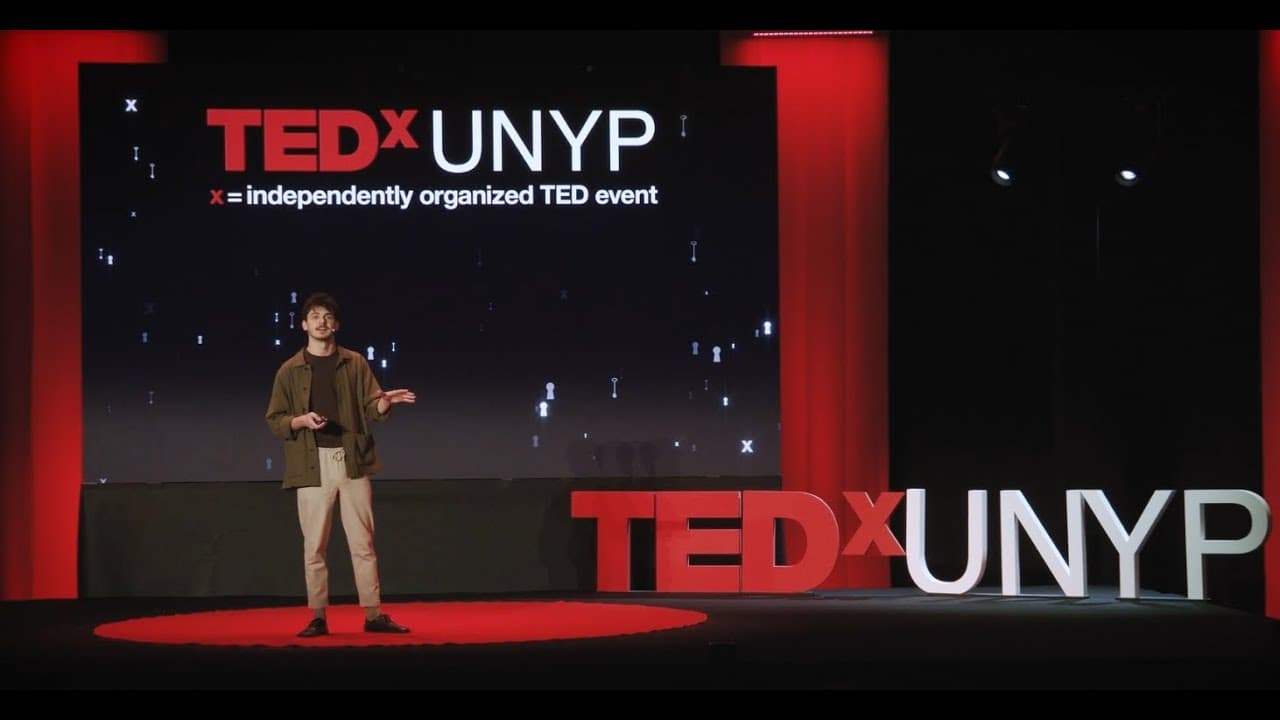
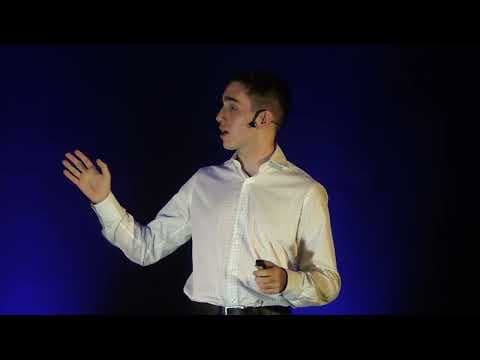
The untold climate story. | Šimon Michalčík | TEDxUNYP
TL;DR
Climate crisis narratives need a positive focus on ecosystem restoration to inspire change.
Transcript
Transcriber: Jiwoo Park Reviewer: Walaa Mohammed Imagine. The year is 2100. The 21st century has ended. And what a century it was. Our last. To think that it began in such glory. We were growing so fast, but to do so, we were exploiting everything else on earth. The fossil fuel giants and government leaders were knowingly selling away our future. ... Read More
Key Insights
- ❎ Current climate crisis narratives evoke negative emotions and promote passivity.
- ❓ Ecosystem restoration offers a more optimistic and empowering focus for climate storytelling.
- 🤩 Relatable heroes, tangible impacts, and connection with nature are key elements in transforming climate crisis narratives.
- 💱 By emphasizing ecosystem restoration, narratives can inspire positive action towards addressing climate change.
- ❓ Understanding the impact of human actions on ecosystems is vital for creating a sustainable future.
- 👯 Including ecosystem restoration in climate narratives can help people feel more connected to nature and motivated to protect it.
- ♻️ Ecosystem restoration can address climate challenges while benefiting communities and the environment.
Install to Summarize YouTube Videos and Get Transcripts
Explore YouTube Video Summarizer or Get YouTube Transcript Extractor
Questions & Answers
Q: How do current climate crisis narratives affect people's attitudes towards climate action?
Current climate crisis narratives often leave people feeling scared, hopeless, and passive, discouraging them from taking action to address the crisis. This negativity can hinder progress in combating climate change.
Q: What is the key solution proposed for creating more optimistic climate narratives?
The content suggests that focusing on ecosystem restoration in climate narratives can offer a more hopeful and empowering perspective. By showcasing relatable heroes, tangible impacts, and connection with nature, these narratives can inspire positive action.
Q: How can ecosystem restoration impact climate crisis narratives?
Ecosystem restoration can add relatability to climate narratives by highlighting ordinary heroes working towards positive change. It also provides tangible impacts that are visible at a local level, making the connection between actions and outcomes clearer.
Q: Why is connection with nature important in changing climate narratives?
The content emphasizes that restoring our connection with nature can help shift climate crisis narratives towards a more positive outlook. By including ecosystem restoration in stories, people can reconnect with the environment and feel motivated to protect it.
Summary & Key Takeaways
-
The content discusses the negative impact of current climate crisis narratives on people's attitudes and motivations towards climate action.
-
It highlights the importance of storytelling focusing on ecosystem restoration to create a more hopeful and empowering narrative.
-
By emphasizing relatable heroes, tangible impacts, and connection with nature, ecosystem restoration can transform climate crisis narratives.
Read in Other Languages (beta)
Share This Summary 📚
Summarize YouTube Videos and Get Video Transcripts with 1-Click
Try YouTube Summary with ChatGPT & Claude or YouTube Transcript Generator
Explore More Summaries from TEDx Talks 📚
Summarize YouTube Videos and Get Video Transcripts with 1-Click
Try YouTube Summary with ChatGPT & Claude or YouTube Transcript Generator