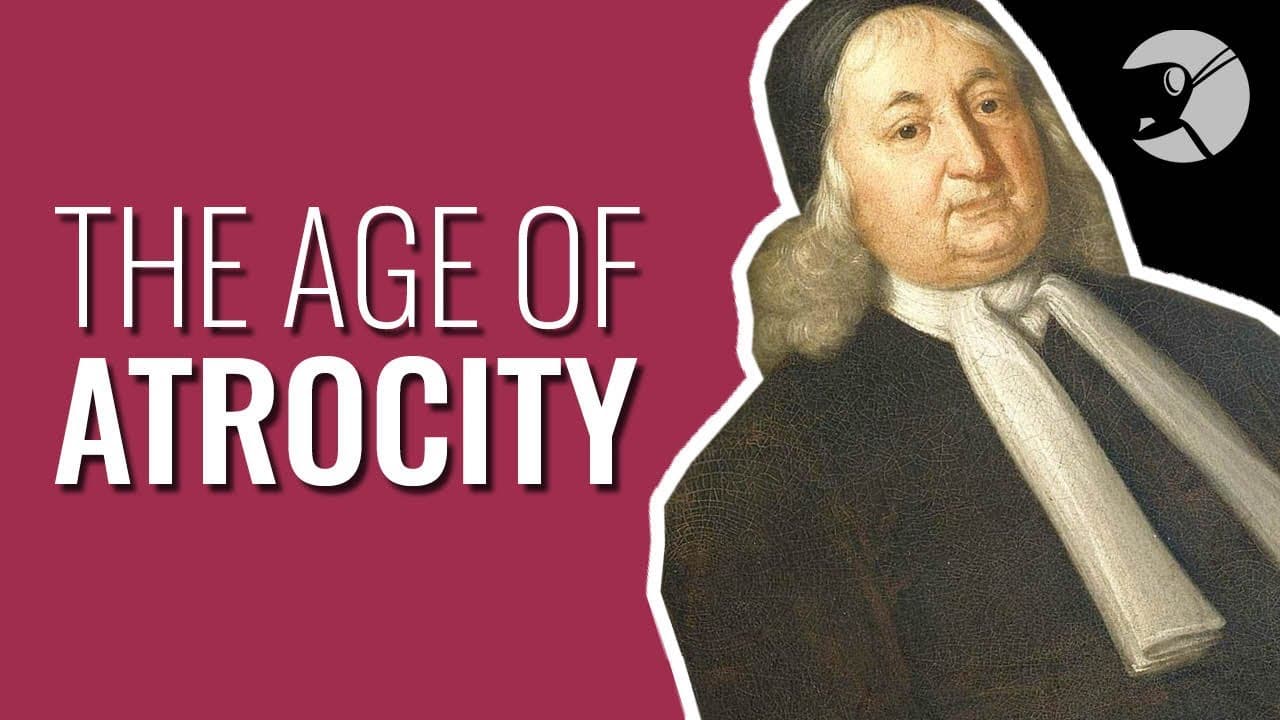
Forgotten Victims from the Age of Atrocity
TL;DR
The persecution and suffering of Anabaptists and witches during the Reformation era were often overlooked in their own time but have become significant historical events with lasting impact.
Transcript
so welcome back to this makeshift lecture theatre a small corner of County Durham that is serving today as part of Gresham College there's maybe something fitting about this because our subject in this last lecture of this series on religious atrocities in the age of the Reformation is about victims who were denied the limelight who didn't receive ... Read More
Key Insights
- 💢 Victims of religious atrocities during the Reformation era were not equal, with only a select few deaths being turned into myths and cautionary tales.
- 😀 The Anabaptists, a radical group during the Reformation, challenged Martin Luther's reforms and faced persecution for their beliefs and practices.
- 💆♀️ Witches, mostly women, were persecuted in large numbers during this period, with fears of a hidden conspiracy leading to mass purges in certain regions.
- 💨 The memory of these atrocities has been shaped and reimagined in different ways throughout history by various groups and societal interests.
- 🤬 The feminist movement in the 20th century claimed the identity of witches as a symbol of female empowerment and resistance against patriarchal oppression.
- #️⃣ The historical accuracy and myths surrounding the witch trials have been hotly debated, with inflated numbers and anti-Catholic narratives lingering in popular culture.
Install to Summarize YouTube Videos and Get Transcripts
Explore YouTube Video Summarizer or Get YouTube Transcript Extractor
Questions & Answers
Q: Why were the deaths of some victims of religious atrocities during the Reformation turned into myths and lessons?
The deaths that were useful to their contemporaries and successors were turned into myths and used to populate the world with heroes and villains, serving as warnings or examples of self-sacrificial virtue.
Q: What united most of the Anabaptists during the Reformation?
Most Anabaptists shared the conviction that Martin Luther's Reformation hadn't gone far enough and believed in creating a small select group of dedicated believers who would live according to biblical principles and reject traditional Christian society.
Q: How were Anabaptists viewed by other religious groups during the Reformation?
Anabaptists were perceived as threatening by both Catholics and more conventional Protestants because they questioned the fundamental nature of Christian society and rejected the practice of infant baptism.
Q: What led to the mass persecutions of witches during the Reformation era?
The belief in a hidden diabolical conspiracy and fears of witches spreading the plague led to mass purges in certain regions, with accusations of devil worship, cannibalism, and illicit sex creating a climate of fear and hysteria.
Summary & Key Takeaways
-
Not all victims of religious atrocities in the age of the Reformation received attention or significance in their own time, with only a select few deaths being turned into myths and lessons for future generations.
-
The Anabaptists, a radical group during the Reformation, challenged the extent of Martin Luther's reforms and faced persecution for their beliefs and practices, including adult baptism and refusal to swear oaths.
-
Witches, mostly women, were also heavily persecuted during this period, with mass purges occurring in certain regions. The fear of a hidden diabolical conspiracy led to accusations of witchcraft, often resulting in execution.
Read in Other Languages (beta)
Share This Summary 📚
Summarize YouTube Videos and Get Video Transcripts with 1-Click
Try YouTube Summary with ChatGPT & Claude or YouTube Transcript Generator
Explore More Summaries from Gresham College 📚

Summarize YouTube Videos and Get Video Transcripts with 1-Click
Try YouTube Summary with ChatGPT & Claude or YouTube Transcript Generator