Products
Features
YouTube Video Summarizer
Summarize YouTube videos
Web & PDF Highlighter
Highlight web pages & PDFs
Chat with PDF
Ask any PDF questions with AI
Ask AI Clone
Chat with your highlights & memories
Audio Transcriber
Transcribe audio files to text
Glasp Reader
Read and highlight articles
Kindle Highlight Export
Export your Kindle highlights
Idea Hatch
Hatch ideas from your highlights
Integrations
Obsidian Plugin
Notion Integration
Pocket Integration
Instapaper Integration
Medium Integration
Readwise Integration
Snipd Integration
Hypothesis Integration
Apps & Extensions
Chrome Extension
Safari Extension
Edge Add-ons
Firefox Add-ons
iOS App
Android App
Discover
Discover
Ideas
Discover new ideas and insights
Articles
Curated articles and insights
Books
Book recommendations by great minds
Posts
Essays and notes from readers
Quotes
Inspiring quotes collection
Videos
Curated videos and summaries
Explore Glasp
Glasp Newsletter
Weekly insights and updates
Glasp Talk
Interview series with great minds
Glasp Blog
Latest news and articles
Glasp Use Cases
Learn how others use Glasp
Build & Support
Glasp API
Access Glasp's API for developers
MCP Connector
Connect Glasp to Claude & ChatGPT
Community
Glasp Reddit Community
Students
Student discount and benefits
FAQs
Frequently Asked Questions
AboutPricing
DashboardLog inSign up

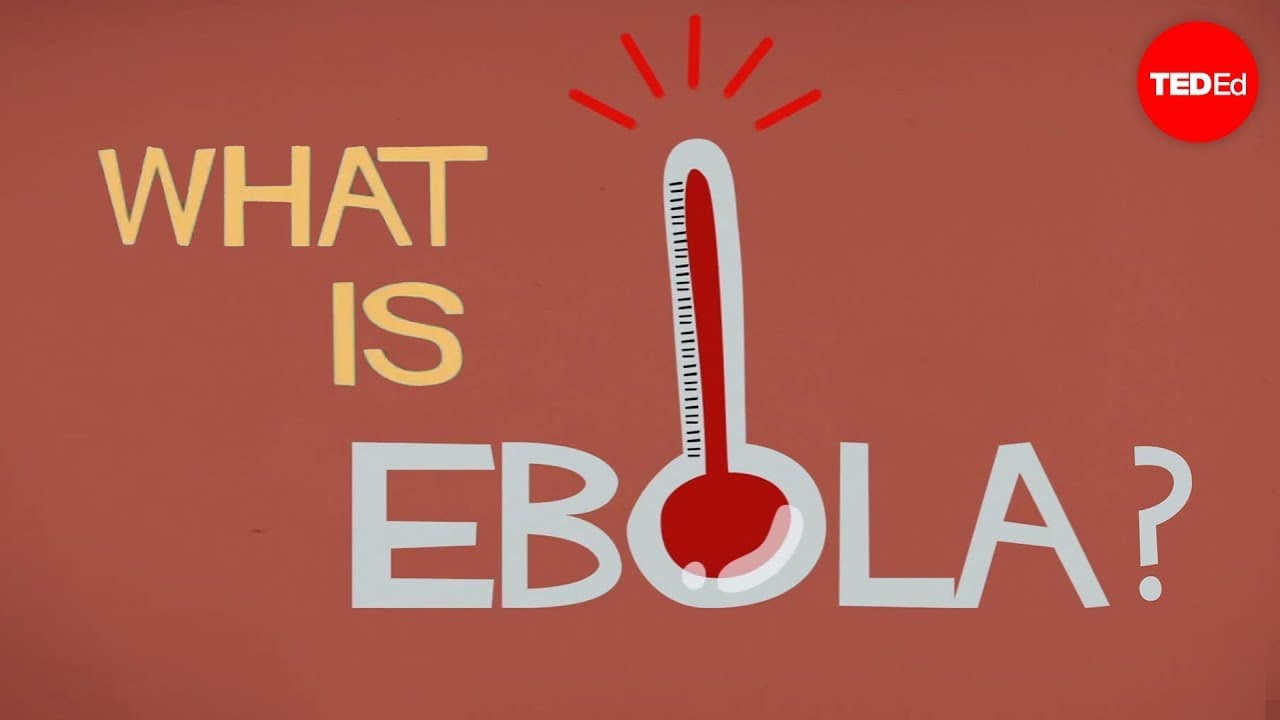
What we know (and don't know) about Ebola - Alex Gendler
2.0M views
•
December 4, 2014
by
TED-Ed
YouTube video player
What we know (and don't know) about Ebola - Alex Gendler

TL;DR

Ebola virus causes severe hemorrhagic fever, leading to immune system failure, but limited contagiousness through bodily fluids.

Transcript

In the summer of 1976, a mysterious epidemic suddenly struck two central African towns, killing the majority of its victims. Medical researchers suspected the deadly Marburg virus to be the culprit. But what they saw in microscope images was an entirely new pathogen, which would be named after the nearby Ebola river. Like yellow fever or dengue, t... Read More

Key Insights

  • 😣 Ebola virus causes severe hemorrhagic fever by attacking the immune system and triggering an immune response overload.
  • 📁 Ebola is less contagious than airborne viruses as it requires direct contact with bodily fluids for transmission.
  • 👨‍🔬 Limited economic incentive and poor infrastructure in outbreak regions pose challenges to researching and developing treatments for Ebola.
  • 💁 Isolation, sanitation, and information dissemination are effective measures in controlling Ebola outbreaks.

Install to Summarize YouTube Videos and Get Transcripts

Explore YouTube Video Summarizer or Get YouTube Transcript Extractor

Questions & Answers

Q: How does the Ebola virus affect the human body?

The Ebola virus attacks the immune system, causing immune system cells to die and leading to an immune system overload called cytokine storm, resulting in internal and external bleeding and organ failure.

Q: What are the methods of Ebola virus transmission?

Ebola can be transmitted through direct contact with bodily fluids like saliva, blood, and feces, requiring these fluids to enter another person's body through openings like the eyes, mouth, or nose.

Q: What factors limit the contagiousness of Ebola virus?

Ebola is less contagious than airborne viruses as it only spreads through bodily fluids, and an individual is not contagious until they show symptoms due to the increased viral load with disease progression.

Q: Why is it challenging to study and develop treatments for Ebola virus?

Ebola is difficult to study due to sporadic outbreaks and a lack of understanding of its transmission from natural carriers like fruit bats to humans, while poor infrastructure in outbreak regions hinders research and development by pharmaceutical companies.

Summary & Key Takeaways

  • The Ebola virus outbreak in 1976 led to the discovery of a new pathogen causing severe hemorrhagic fever.

  • Initial symptoms of Ebola virus infection mimic flu but quickly progress to severe manifestations like internal bleeding.

  • Although highly virulent, Ebola is less contagious than common infections and requires direct contact with bodily fluids for transmission.


Read in Other Languages (beta)

English

Share This Summary 📚

Summarize YouTube Videos and Get Video Transcripts with 1-Click

Download browser extensions on:

Try YouTube Summary with ChatGPT & Claude or YouTube Transcript Generator

Explore More Summaries from TED-Ed 📚
Why do animals have such different lifespans? - Joao Pedro de Magalhaes thumbnail
Why do animals have such different lifespans? - Joao Pedro de Magalhaes
TED-Ed
The myth of Arachne  - Iseult Gillespie thumbnail
The myth of Arachne - Iseult Gillespie
TED-Ed
The psychology of narcissism - W. Keith Campbell thumbnail
The psychology of narcissism - W. Keith Campbell
TED-Ed
How tsunamis work - Alex Gendler thumbnail
How tsunamis work - Alex Gendler
TED-Ed
How do cigarettes affect the body? - Krishna Sudhir thumbnail
How do cigarettes affect the body? - Krishna Sudhir
TED-Ed
3 tips to boost your confidence - TED-Ed thumbnail
3 tips to boost your confidence - TED-Ed
TED-Ed

Summarize YouTube Videos and Get Video Transcripts with 1-Click

Download browser extensions on:

Try YouTube Summary with ChatGPT & Claude or YouTube Transcript Generator

Apps & Extensions

  • Chrome Extension
  • Safari Extension
  • Edge Add-ons
  • Firefox Add-ons
  • iOS App
  • Android App

Key Features

  • YouTube Video Summarizer
  • Web & PDF Summarizer
  • Web & PDF Highlighter
  • Chat with PDF
  • Ask AI Clone
  • Audio Transcriber
  • Glasp Reader
  • Kindle Highlight Export
  • Idea Hatch

Integrations

  • Obsidian Plugin
  • Notion Integration
  • Pocket Integration
  • Instapaper Integration
  • Medium Integration
  • Readwise Integration
  • Snipd Integration
  • Hypothesis Integration

More Features

  • APIs
  • MCP Connector
  • Blog & Post
  • Embed Links
  • Image Highlight
  • Personality Test
  • Quote Shots

Company

  • About us
  • Blog
  • Community
  • FAQs
  • Job Board
  • Newsletter
  • Pricing
Terms

•

Privacy

•

Guidelines

© 2026 Glasp Inc. All rights reserved.