Buddha's Birthplace, Poop Transplants & 'Cryptic Cats'
TL;DR
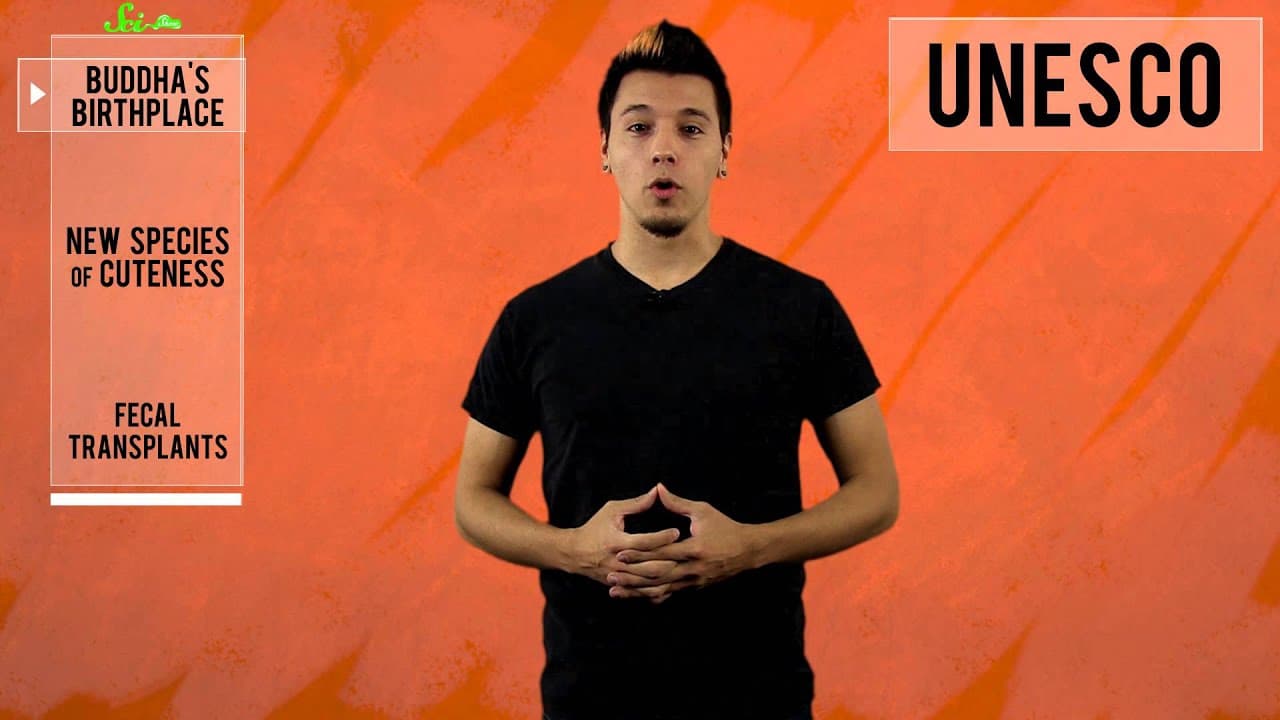
Archaeologists in Nepal uncover evidence dating back to the 6th century BCE, potentially resolving the debate on when Buddha lived. Brazilian geneticists identify a new species of wild cat in Central and South America. Study finds that fecal transplants effectively restore healthy bacterial communities in patients with Clostridium difficile infections.
Transcript
archaeologists have unearthed one of the oldest sites from one of the world's most influential religions biologists have discovered new species of cat and poop transplants really happen and they really work stick around for all the solid details I'm Michael Aranda infra Hank green welcome to scishow news it's long been debated by religious scholars... Read More
Key Insights
- 🇳🇵 Archaeological findings in Nepal suggest the possible birthplace of Buddha and have the potential to resolve the debate on his historical timeline.
- 😺 Biologists in Brazil discover a new species of wild cat, highlighting the importance of genetic analysis in differentiating closely related species.
Install to Summarize YouTube Videos and Get Transcripts
Explore YouTube Video Summarizer or Get YouTube Transcript Extractor
Questions & Answers
Q: What evidence did archaeologists uncover that may help determine the timing of Buddha's life?
Archaeologists found a sandstone pillar dating to the 3rd century BCE, but further excavation revealed even older ruins from the 6th century BCE, suggesting Buddha may have lived during that time.
Q: How did Brazilian geneticists identify the new species of wild cat?
By comparing the DNA of two different populations of oncelots with other species of Brazilian wild cats, geneticists found that the two populations share more genetic markers with different wild cats than with each other, indicating they are distinct species.
Q: What did the study on fecal transplants show?
The study followed patients with Clostridium difficile infections who received fecal transplants and found that after a year, the infections were resolved, and healthy bacterial communities were restored.
Q: Are fecal transplants a safe and effective treatment?
The effectiveness of fecal transplants in treating Clostridium difficile infections has been observed, but the long-term effects are still unclear, requiring further study.
Summary & Key Takeaways
-
Archaeologists excavate the Maya Devi temple in Nepal and find evidence of an ancient structure dating back to the 6th century BCE, possibly indicating the birthplace of Buddha.
-
Brazilian geneticists discover a new species of wild cat, named Leopardus guttulus, which was previously mistaken for a different species.
-
A study in Maryland shows that fecal transplants successfully treat patients with Clostridium difficile infections, restoring healthy bacterial communities.
Read in Other Languages (beta)
Share This Summary 📚
Summarize YouTube Videos and Get Video Transcripts with 1-Click
Try YouTube Summary with ChatGPT & Claude or YouTube Transcript Generator
Explore More Summaries from SciShow 📚


Summarize YouTube Videos and Get Video Transcripts with 1-Click
Try YouTube Summary with ChatGPT & Claude or YouTube Transcript Generator