How to Handle Medical Emergencies Abroad
TL;DR
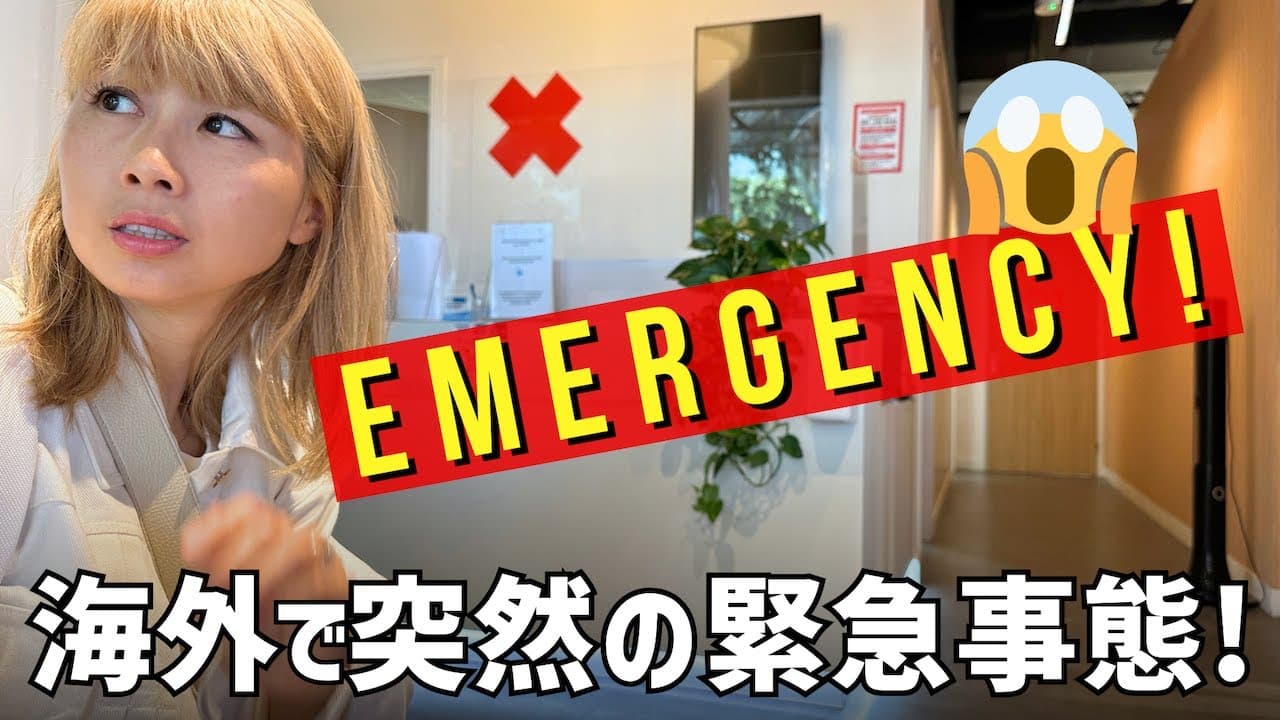
When facing a medical emergency abroad, it's crucial to know local emergency numbers and medical services. In Amsterdam, 1-1-2 is for life-threatening situations, while local doctors or tourist medical centers can assist with non-critical issues. Always have contact details and addresses ready, and consider travel insurance for unexpected medical expenses.
Transcript
Hi, I'm actually calling on behalf of my husband who has severe... Can you speak English? Is this the tourist medical center? This is dental 3 6 5. The dentist. So what's the problem? I was trying to call the tourist medical center. Is this the wrong number? It's the dentist practice Emergency. Okay. I have the wrong number then. Okay, no problem. ... Read More
Key Insights
- 1-1-2 is the emergency number in Amsterdam for life-threatening situations.
- Tourist medical centers can provide assistance for non-critical medical issues.
- Knowing the local language or having translation support is crucial in emergencies.
- Having a clear understanding of your location and address is essential when seeking help.
- Travel insurance can cover unexpected medical expenses abroad.
- Some medications, like laxatives, may be available without prescription in local pharmacies.
- Staying hydrated and maintaining a regular diet can prevent some travel-related health issues.
- Physical activity can help alleviate certain digestive problems.
Install to Summarize YouTube Videos and Get Transcripts
Explore YouTube Video Summarizer or Get YouTube Transcript Extractor
Questions & Answers
Q: How to contact emergency services in Amsterdam?
In Amsterdam, the emergency number for life-threatening situations is 1-1-2. This number connects you to emergency services such as police, fire department, or ambulance. For non-critical medical issues, it is advisable to contact a local doctor or a tourist medical center for assistance.
Q: What should you do if you have a medical emergency while traveling?
In case of a medical emergency while traveling, first identify the local emergency number for life-threatening situations. For non-critical issues, seek help from local doctors or tourist medical centers. Always have your location and contact details ready, and consider having travel insurance to cover unexpected medical expenses.
Q: What are some tips for handling language barriers during a medical emergency abroad?
To handle language barriers during a medical emergency abroad, learn basic phrases in the local language, use translation apps, or have a phrasebook handy. If possible, seek assistance from bilingual staff at hotels or medical centers. Communicating clearly and having written details can also help bridge the language gap.
Q: Why is it important to know your location during a medical emergency?
Knowing your exact location during a medical emergency is crucial because emergency responders or medical services need this information to reach you quickly. It helps avoid delays caused by miscommunication and ensures that you receive timely assistance, especially when you are unfamiliar with the area.
Q: How can travel insurance help during a medical emergency abroad?
Travel insurance can provide financial coverage for unexpected medical expenses incurred during an emergency abroad. It can cover costs for hospital visits, medications, and emergency evacuations. Having travel insurance ensures you receive necessary medical care without worrying about the financial burden.
Q: What should you consider when buying medications abroad?
When buying medications abroad, check whether a prescription is needed, as regulations vary by country. Ensure the medication is safe and consult a local pharmacist if unsure. Familiarize yourself with the local names of medications and consider carrying a list of your regular medications and their generic names.
Q: How can physical activity help with digestive issues during travel?
Physical activity can help stimulate the digestive system, preventing issues like constipation during travel. Activities such as walking or light exercises increase blood flow and aid digestion. Staying active, along with a balanced diet and adequate hydration, can maintain digestive health while traveling.
Q: What are some preventive measures for avoiding health issues during travel?
To avoid health issues during travel, maintain a balanced diet, stay hydrated, and engage in regular physical activity. Research local healthcare facilities and emergency numbers before traveling. Carry necessary medications and consider travel insurance for unexpected medical situations. Staying informed and prepared can mitigate health risks while traveling.
Summary & Key Takeaways
-
In Amsterdam, the emergency number 1-1-2 should be used for life-threatening situations. For non-critical issues, contacting a tourist medical center or local doctor is advisable. Ensure you have your location details ready when seeking help, and consider travel insurance for unforeseen medical expenses.
-
Language barriers can complicate medical emergencies abroad, so having translation support or knowing basic phrases can be beneficial. In this case, the tourist medical center assisted with a prescription for a pharmacy, highlighting the importance of understanding local healthcare protocols.
-
Maintaining hydration and a regular diet is crucial during travel to prevent health issues like constipation. In this scenario, the patient was advised to use laxatives and increase physical activity to alleviate symptoms, emphasizing the need for travelers to be proactive about their health.
Read in Other Languages (beta)
Share This Summary 📚
Summarize YouTube Videos and Get Video Transcripts with 1-Click
Try YouTube Summary with ChatGPT & Claude or YouTube Transcript Generator
Explore More Summaries from バイリンガール英会話 | Bilingirl Chika 📚





Summarize YouTube Videos and Get Video Transcripts with 1-Click
Try YouTube Summary with ChatGPT & Claude or YouTube Transcript Generator