What is Peritoneal Dialysis?
TL;DR
Peritoneal dialysis is a procedure that cleans the blood by using a catheter to fill the abdomen with a sugary solution, which then removes waste and extra fluid.
Transcript
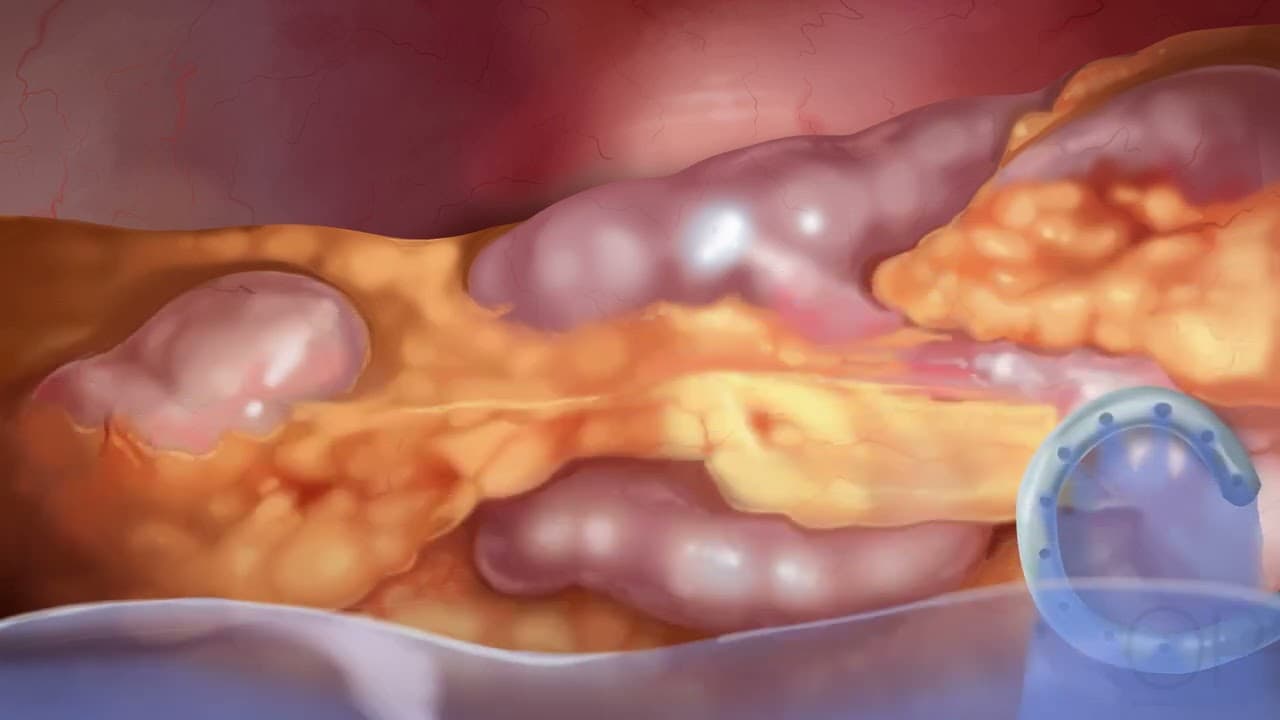
what is peritoneal dialysis inside your child's belly also called the abdomen there are organs just like the kidneys the liver the spleen the intestines and others here's your abdomen inside of the abdomen is covered in a thin lining or membrane which is called the peritoneum this is where peritoneal dialysis gets its name the peritoneum is full of... Read More
Key Insights
- 🤔 The peritoneum, a thin lining in the abdomen, plays a crucial role in peritoneal dialysis by acting as a filter for cleaning the blood.
- 👻 A peritoneal dialysis catheter is placed in the abdomen to allow for the pumping and draining of dialysate during the procedure.
- 🏍️ Peritoneal dialysis involves three steps: drain, fill, and dwell, which are repeated in cycles to continuously remove waste and extra fluid.
- 💗 The amount of dialysate used and the number of cycles are determined by the child's dialysis prescription, which can be adjusted as they grow.
- 👶 Keeping track of important details about the child's peritoneal dialysis is essential, and healthcare professionals may provide worksheets or other methods to record this information.
Install to Summarize YouTube Videos and Get Transcripts
Explore YouTube Video Summarizer or Get YouTube Transcript Extractor
Questions & Answers
Q: How does peritoneal dialysis work?
Peritoneal dialysis works by using a specialized catheter to fill the abdomen with dialysate, a sugary solution. This solution then helps remove toxins and extra fluid, mimicking the function of the kidneys.
Q: What is the purpose of the drain step in peritoneal dialysis?
The drain step in peritoneal dialysis involves removing fluid from the abdomen, which carries waste and toxins out of the body. This step is essential to maintaining the cleanliness of the blood.
Q: How is the amount of dialysate determined in peritoneal dialysis?
The amount of dialysate used in peritoneal dialysis is determined by the dialysis prescription set by medical professionals. This prescription considers factors such as the number of cycles, dwell volume, and the child's growth.
Q: What is the significance of the dwell step in peritoneal dialysis?
The dwell step allows the dialysate solution to sit in the abdomen for a specific amount of time. During this period, waste and extra fluid are drawn out of the body, further cleaning the blood.
Key Insights:
- The peritoneum, a thin lining in the abdomen, plays a crucial role in peritoneal dialysis by acting as a filter for cleaning the blood.
- A peritoneal dialysis catheter is placed in the abdomen to allow for the pumping and draining of dialysate during the procedure.
- Peritoneal dialysis involves three steps: drain, fill, and dwell, which are repeated in cycles to continuously remove waste and extra fluid.
- The amount of dialysate used and the number of cycles are determined by the child's dialysis prescription, which can be adjusted as they grow.
- Keeping track of important details about the child's peritoneal dialysis is essential, and healthcare professionals may provide worksheets or other methods to record this information.
- Peritoneal dialysis is a vital procedure for children when their kidneys stop functioning, as it helps remove toxins and maintain fluid balance in the body.
Summary & Key Takeaways
-
Peritoneal dialysis involves filling the abdomen with a sugary solution called dialysate, which helps remove toxins and extra fluid from the body.
-
The process includes three steps: drain, fill, and dwell, which are repeated in cycles to continually clean the blood.
-
Medical professionals will set a dialysis prescription that determines the number of cycles and the amount of dialysate used for each cycle.
Read in Other Languages (beta)
Share This Summary 📚
Summarize YouTube Videos and Get Video Transcripts with 1-Click
Try YouTube Summary with ChatGPT & Claude or YouTube Transcript Generator
Explore More Summaries from OPENPediatrics 📚


Summarize YouTube Videos and Get Video Transcripts with 1-Click
Try YouTube Summary with ChatGPT & Claude or YouTube Transcript Generator