How Is Pakistan's Relationship with the Taliban Changing?
TL;DR
Pakistan's relationship with the Taliban is shifting as the Afghan Taliban gains strength, leading to a revival of the Pakistani Taliban (TTP) that conducts attacks within Pakistan. While Pakistan historically supported the Taliban, recent developments indicate a rift, particularly as the Taliban engages with India and shows little interest in controlling the TTP. The complex history and unresolved border issues further complicate this evolving dynamic.
Transcript
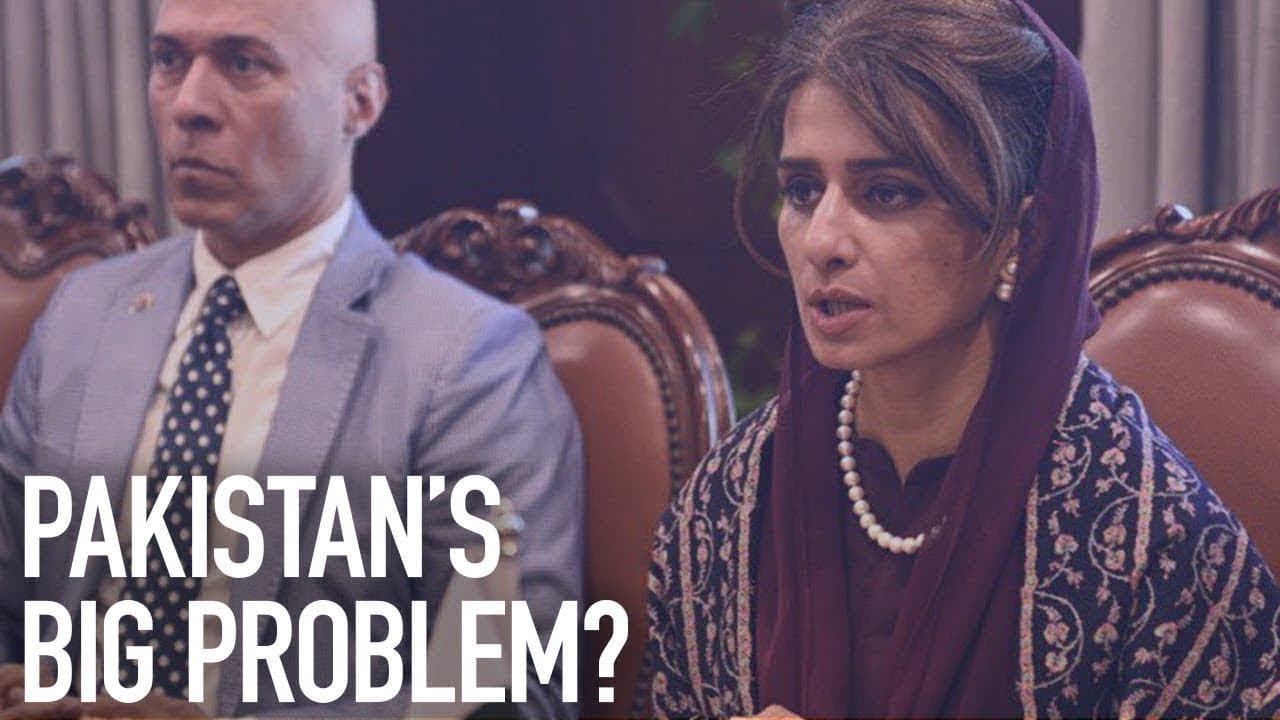
In recent months, the Pakistani Taliban has staged a series of high-profile attacks. This has raised fears that the group may be re-emerging as one of the most significant challenges to the country's peace and security. However, it's also led to important questions about the relationship between Pakistan and the Taliban regime in neighbour... Read More
Key Insights
- 🪘 Pakistan and Afghanistan have a long and complicated history, particularly regarding the Pashtun areas and the Durand Line.
- 🉐 Pakistan supported the Taliban in Afghanistan to gain influence over its neighbor.
- 👊 The Pakistani Taliban (TTP) emerged as a separate entity and conducted attacks against Pakistan.
- 😇 Pakistan faced pressure to crack down on the Taliban and al-Qaeda within its borders.
- 🇦🇫 The resurgence of the Taliban in Afghanistan has strained Pakistan-Taliban relations.
- 🇮🇳 The Taliban's reluctance to address the TTP issue and their engagement with India suggest a possible shift in the Pakistan-Taliban relationship.
- 🌍 The border issue and the divided Pashtun nation present additional challenges to the Pakistan-Afghanistan relationship.
Install to Summarize YouTube Videos and Get Transcripts
Explore YouTube Video Summarizer or Get YouTube Transcript Extractor
Questions & Answers
Q: What is the role of Pakistan in the creation and rise of the Taliban in Afghanistan?
Pakistan has long been believed to have played a significant role in creating and supporting the Taliban in Afghanistan. The country saw an opportunity to gain influence over its troublesome neighbor by supporting the group, which eventually led to their rise to power in Afghanistan.
Q: How did the relationship between Pakistan and the Taliban change after the 9/11 attacks?
Following the 9/11 attacks, Pakistan disavowed its support for the Taliban and joined the "War on Terror." However, it maintained close ties with its former allies, particularly providing sanctuary for Taliban leaders and fighters. Pakistan faced increasing pressure to crack down on the Taliban and al-Qaeda within its borders.
Q: Why did the Pakistani Taliban (TTP) emerge and escalate violence against Pakistan?
The TTP emerged as a separate entity from the Afghan Taliban and aimed to end Pakistan's control over the Pashtun tribal areas. Despite their shared ethnic and ideological ties, the TTP had different objectives. The group conducted attacks against Pakistani forces and even targeted an army-run school, leading to international condemnation.
Q: How has the recent resurgence of the Taliban in Afghanistan affected Pakistan?
While Pakistan initially saw the Taliban's return to power as a victory, the resurgence also revived the TTP. The Taliban's reluctance to crack down on the TTP and their engagement with India, Pakistan's arch-enemy, have strained Pakistan-Taliban relations. Pakistan may face a turning tide as the Taliban appears less obligated to follow Pakistan's lead.
Key Insights:
- Pakistan and Afghanistan have a long and complicated history, particularly regarding the Pashtun areas and the Durand Line.
- Pakistan supported the Taliban in Afghanistan to gain influence over its neighbor.
- The Pakistani Taliban (TTP) emerged as a separate entity and conducted attacks against Pakistan.
- Pakistan faced pressure to crack down on the Taliban and al-Qaeda within its borders.
- The resurgence of the Taliban in Afghanistan has strained Pakistan-Taliban relations.
- The Taliban's reluctance to address the TTP issue and their engagement with India suggest a possible shift in the Pakistan-Taliban relationship.
- The border issue and the divided Pashtun nation present additional challenges to the Pakistan-Afghanistan relationship.
- Pakistan's role as a power broker and intermediary with the Taliban may be diminishing as the Taliban gains control in Afghanistan.
Summary & Key Takeaways
-
Pakistan and Afghanistan share a complex history and have strained relations, especially regarding the Pashtun areas.
-
The Soviet invasion of Afghanistan in 1979 led to Pakistan supporting the Taliban, which eventually took control of Afghanistan.
-
The Pakistani Taliban, also known as TTP, emerged and launched attacks against Pakistan, despite their shared ethnic and ideological ties with the Afghan Taliban.
Read in Other Languages (beta)
Share This Summary 📚
Summarize YouTube Videos and Get Video Transcripts with 1-Click
Try YouTube Summary with ChatGPT & Claude or YouTube Transcript Generator
Explore More Summaries from Prof James Ker-Lindsay 📚



Summarize YouTube Videos and Get Video Transcripts with 1-Click
Try YouTube Summary with ChatGPT & Claude or YouTube Transcript Generator