What Are Market, Limit, and Stop Orders in Trading?
TL;DR
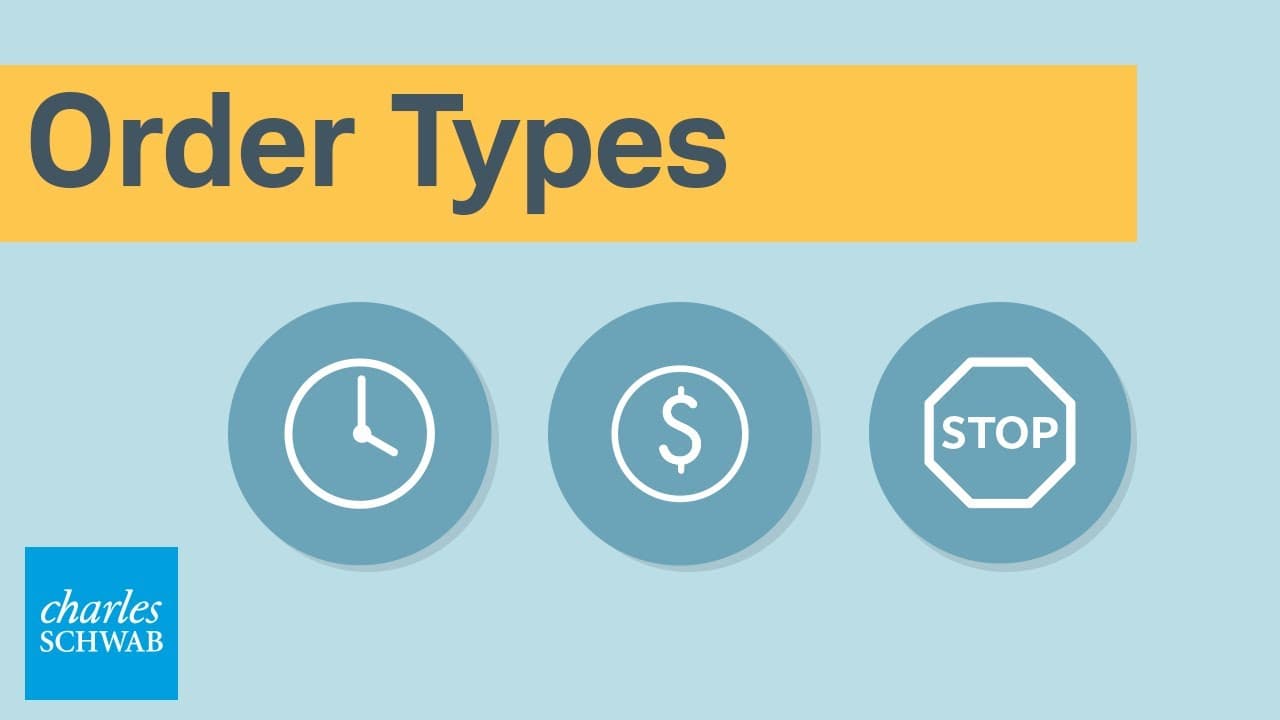
Market orders execute trades immediately at the next available price, prioritizing speed but exposing investors to price fluctuations. Limit orders let investors specify a price but may not fill quickly, while stop orders trigger trades at a set price to minimize losses or capture gains. Understanding these order types is essential for effective trading decisions.
Transcript
You’ve chosen a stock or ETF you want to invest in, and you know how many shares you want to buy. Now, you’ve just got to place the order. For novice investors, that may be trickier than it seems because before placing that order, they have to choose an order type. Simply put, order types are instructions to your broker about how to execute your tr... Read More
Key Insights
- 🗯️ Choosing the right order type is essential for executing trades according to desired speed and price outcomes.
- 🐎 Market orders prioritize speed but come with the risk of potential price variations.
- 👻 Limit orders allow investors to specify and potentially control the execution price but may not be filled quickly or at all.
- 💨 Stop orders provide a way to trigger a trade at a specific price or limit potential losses.
- ✋ Stop orders have different variations, including stop-market, stop-limit, and trailing stop, offering investors flexibility in trade execution.
- 🪈 Understanding order types is crucial for investors to plan ahead and determine the most suitable order type for each trading scenario.
- 🫗 Market orders are commonly used during trading hours and in highly liquid markets.
Install to Summarize YouTube Videos and Get Transcripts
Explore YouTube Video Summarizer or Get YouTube Transcript Extractor
Questions & Answers
Q: What are order types in trading, and why are they important?
Order types are instructions to brokers on how to execute trades. They are crucial for investors to achieve desired execution speed and price outcomes.
Q: What is a market order, and when is it commonly used?
A market order is executed immediately at the next available price. It is commonly used when speed is a priority, but there is a risk of potential price variations.
Q: How does a limit order work, and when should investors use it?
A limit order specifies a price at which to buy or sell, ensuring execution at that price or better. Investors use it when they have target entry or exit prices and are willing to wait for favorable market movements.
Q: What are stop orders, and how can they be beneficial for investors?
Stop orders are triggered when the stock reaches an activation price, facilitating buying or selling at a specific price or limiting potential losses. They can help investors control trade outcomes and minimize losses.
Summary & Key Takeaways
-
Novice investors need to choose an order type before placing a trade, as it instructs brokers on how to execute the trade.
-
Market orders are filled immediately at the next available price, ideal for speedy execution but with the risk of potential price variations.
-
Limit orders specify a price and are only filled when the stock can be bought or sold at that price or better, useful for target entry or exit prices.
-
Stop orders are triggered when the stock reaches an activation price, allowing investors to buy or sell securities at a specific price or limit losses.
Read in Other Languages (beta)
Share This Summary 📚
Summarize YouTube Videos and Get Video Transcripts with 1-Click
Try YouTube Summary with ChatGPT & Claude or YouTube Transcript Generator
Explore More Summaries from Charles Schwab 📚




Summarize YouTube Videos and Get Video Transcripts with 1-Click
Try YouTube Summary with ChatGPT & Claude or YouTube Transcript Generator