Index Investing | Phil Town
TL;DR
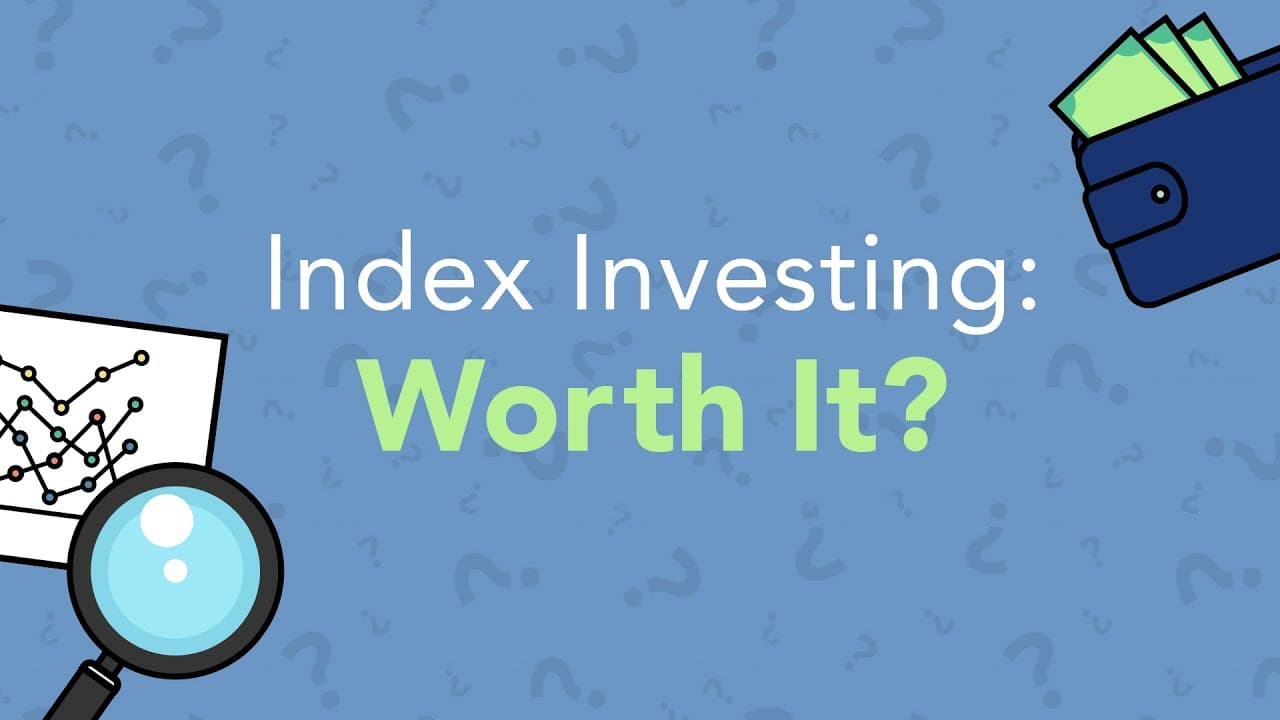
Index investing can be a viable option for passive investors looking for minimal knowledge and a decent return over a long period of time.
Transcript
alright guys I'm Phil town from rule 1 investing today we'll be talking about whether or not index investing is a good idea hey there before we dive into today's video I wanted to take a minute to remind you that as a big thank you for hitting 250,000 subscribers on my channel recently I'm hosting a huge giveaway and it's happening right now to fin... Read More
Key Insights
- 😫 Investing in individual companies requires a skill set and time to learn, but it can result in higher returns.
- 🫰 Index investing is an easy and passive approach that spreads money across an index to track market movement.
- ✋ Index investing may yield an average return of about 7% annually, which is higher than other traditional investment options.
- 👻 Investing in individual companies allows investors to benefit from market fluctuations and potentially perform well even during a recession.
- 🫰 Index investing is suitable for passive investors looking for a hands-off approach with minimal research required.
- 🫰 Index investing may not provide sufficient returns for those with a shorter time horizon to save for retirement.
- 🫰 It is essential to start saving for retirement early to benefit from the potential returns of index investing over a longer period.
Install to Summarize YouTube Videos and Get Transcripts
Explore YouTube Video Summarizer or Get YouTube Transcript Extractor
Questions & Answers
Q: What is the main advantage of investing in individual companies compared to index investing?
Investing in individual companies can yield higher returns and the opportunity to capitalize on market fluctuations, regardless of overall market performance.
Q: What is index investing?
Index investing involves spreading money across an index, typically through an exchange-traded fund (ETF), to track the overall movement of the market or a specific industry.
Q: Is index investing a more suitable option for passive investors?
Yes, index investing is considered a passive approach that requires minimal knowledge and research, making it easier for investors who are not willing to dedicate time to learn about individual companies.
Q: Can index investing provide a satisfactory return for those with a shorter time horizon?
Index investing may not provide a sufficient return for those with a shorter time horizon, particularly if they have a limited time to save for retirement. In such cases, investing in individual companies might be the only viable strategy.
Summary & Key Takeaways
-
Investing in individual companies is the most effective way to grow wealth and faster, but it requires a skill set and time to learn.
-
Index investing involves spreading money across an index to track the overall movement of the market, yielding an average return of about 7% annually.
-
Index investing is easy, passive, and requires minimal knowledge, but it may not provide a sufficient return for those with a shorter time horizon or who want to reach financial freedom quickly.
Read in Other Languages (beta)
Share This Summary 📚
Summarize YouTube Videos and Get Video Transcripts with 1-Click
Try YouTube Summary with ChatGPT & Claude or YouTube Transcript Generator
Explore More Summaries from Rule #1 Investing 📚


Summarize YouTube Videos and Get Video Transcripts with 1-Click
Try YouTube Summary with ChatGPT & Claude or YouTube Transcript Generator